

























































Instead of camping out in store parking lots before dawn, more metro Atlanta shoppers this Black Friday weekend are opening a chat window and asking an AI tool whether a discount is actually a discount. Some are going a step further, letting software compare prices across the web and even flag deals before deciding what to buy for the people on their list.
That shift toward AI-assisted bargain hunting is accelerating across the region, according to FOX 5 Atlanta, which reports that shoppers are turning to artificial intelligence not just to find bargains but to verify whether advertised holiday discounts are real. Tools named in the station's reporting include ChatGPT, Claude, Gemini and Amazon's built-in retail assistant, Rufus. Shoppers can ask these platforms to compile metro Atlanta in-store deals alongside online prices, and to track how an item's price has moved over recent weeks, a way of catching retailers who quietly jack up prices right before slashing them for Black Friday.
The appeal is straightforward: let the software do the tedious legwork of comparing specs and prices, while the shopper still makes the final call on what to buy. As the station's report puts it, the goal is comparing options, not outsourcing the entire gift-buying decision.
Gen Z Leads the Shift, But Full Automation Still Lags
Survey data cited in the same report shows the appetite is real, especially among younger shoppers. A Visa survey found 82% of Gen Z shoppers are open to using AI for holiday shopping, and a PwC survey found roughly one-third of shoppers plan to use AI to build their holiday shopping lists.
Separate PwC figures put a finer point on the trend: 36% of consumers planned to use AI somewhere in their holiday shopping journey this season, up from 29% in the firm's June survey, according to PwC. But far fewer are ready to hand over the checkout button itself. Just 7% of respondents said they planned to use AI to actually execute a transaction, up only slightly from 4% in June. PwC also found more consumers now use AI than social media to compare products, 21% versus 17%.
Some Shoppers Are Already Letting Bots Buy
The FOX 5 report notes that some advanced users are experimenting with autonomous AI agents that place orders on their own, not just compare prices. Nationally, that trend is drawing scrutiny. Per NPR, AI agents can check multiple websites and compare prices, but they may not have access to every site, and Visa's own testing found the models failed to recommend a product that actually met a customer's needs in 42% of test runs. NPR also reports that some shopping agents can monitor a shopper's email inbox to track packages, a convenience that requires handing over access to sensitive personal data.
The National Retail Federation estimated that 59% of U.S. consumers planned to use AI to support their winter shopping this weekend, per the same NPR report. A separate Boston Consulting Group survey, cited by Northeastern University News, found 56% of shoppers planned to use AI for finding deals this year, up eight percentage points from 2025. Adobe, meanwhile, reported that AI-driven traffic to retail sites grew 127% year over year as of August 2026, with growth projected to hit 130% overall through the holidays and spike to 159% on Thanksgiving itself.
Emory Professor Warns of Bots Fighting Bots
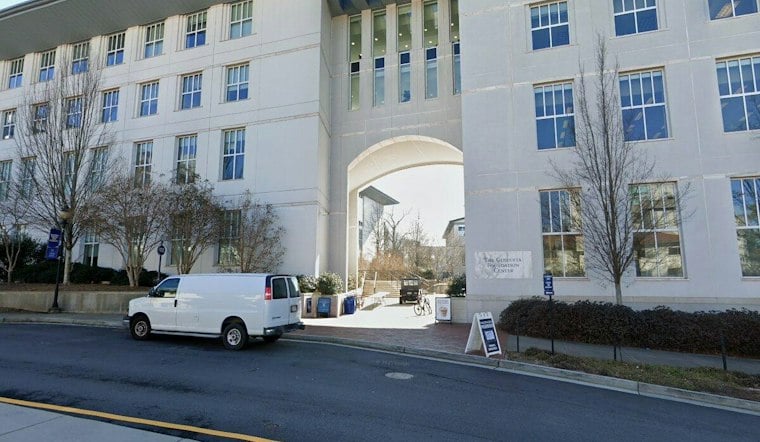
David Schweidel, a professor at Emory University's Goizueta Business School, told the station that automated bots are capable of scooping up high-demand deals in seconds, long before a human shopper could click checkout. He compared the dynamic to the scalping problem that has plagued concert ticket sales, saying, “we're fighting with bots who are scooping up all of the tickets and then they go on the resale market at significantly inflated prices.” Schweidel also said AI tools and the rise of early online sales have reshaped traditional Thanksgiving night shopping habits, part of a broader shift in which the holiday shopping season now starts earlier, with Black Friday and Cyber Monday deals arriving well ahead of the actual dates.
Fake Storefronts Are Part of the Risk
The risk isn't only about losing a deal to a faster bot. A study highlighted by CBS News found more than 18% of AI bots' shopping answers drew on a fake, infringing or invalid website. The fraud-detection firm Spokeo had identified 65 distinct online stores mimicking the legitimate sites of 60 brand names as of Nov. 15, according to the same report. Marketing companies are responding by shifting away from traditional Google search optimization toward what's being called AI optimization, structuring product listings so they're more likely to surface in AI chat recommendations, the FOX 5 report notes.
What Real-World Testing Found
Independent testing gives a sense of how hit-or-miss AI bargain hunting can be. PCWorld writer Ben Patterson ran a prompt through several AI assistants asking them to compare Amazon's Black Friday prices against other sellers, while explicitly barring the bots from making purchases, signing in, adding items to a cart or submitting any forms. The prompt required each assistant to identify the seller, item condition and shipping costs, and to label any price not verified on the seller's own product page as unverified.
The results were mixed. Meta Muse found a Zooz water-leak detector listed $15 cheaper on the manufacturer's site than Amazon's $39.95 sticker price, though shipping costs largely wiped out the savings. Gemini Tasks turned up cheaper refurbished Sony turntables but found nothing that beat Amazon's early Black Friday price of $238 for a brand-new model, illustrating why experts keep stressing that AI should narrow the search, not make the final decision.
Open Questions Remain
How widely autonomous shopping agents will affect inventory of popular holiday items in metro Atlanta stores this weekend remains unclear, as does how aggressively local retailers will adjust their own pricing algorithms in response to AI-driven comparison shopping. Experts also recommend being intentional about how often shoppers fire off AI queries in the first place, since large queries require significant energy and water resources at the data centers that power them.




