

























































Miami Gardens is bracing for a multimillion-dollar budget hole, and the city isn't waiting around to find out how bad it gets. Officials have already taken a hatchet to special-events spending, stripped funding from the city's signature Jazz in the Gardens festival, and frozen most new hiring, all ahead of property tax changes that are projected to start squeezing city revenue in 2027.
The moves come as Miami Gardens estimates that Amendment 3 will cost the city nearly $9.8 million in 2027 and close to $14.2 million in 2028, according to CBS News. The city's own website puts the first-year hit slightly lower, estimating the city could lose about $9.7 million in the first year, according to the City of Miami Gardens. Amendment 3 gives eligible homeowners a $150,000 exemption from taxable value for non-school property taxes, and the city projects that will translate into average homeowner savings of $694 in 2027 and $1,387 in 2028.
Festival Funding Disappears From Proposed Budget
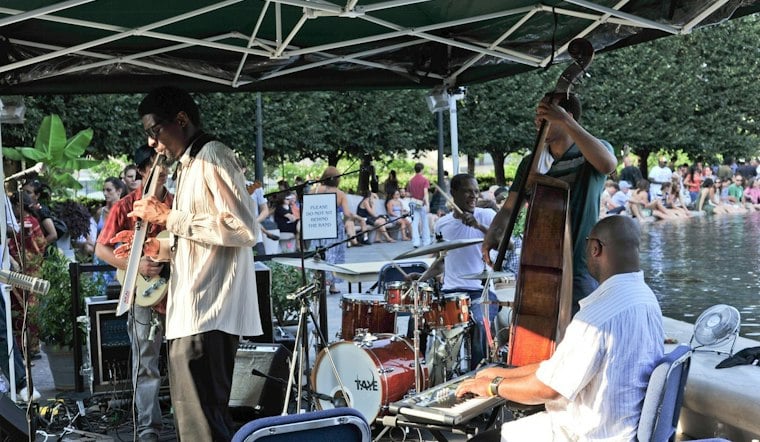
Among the most visible casualties is Jazz in the Gardens, the city's marquee entertainment event. CBS News reports that special-events spending was trimmed from $9 million to $558,000, while reporting the funding was effectively zeroed out for the festival in the city's budget planning. The Miami Times offers a different set of figures, reporting that special-events funding fell from approximately $6.3 million in the adopted 2026 budget to $558,808 in the proposed 2027 budget — and that the 2026 adopted budget had designated $5 million specifically for Jazz in the Gardens. Whichever baseline is used, the city's own materials confirm there is currently no funding for the festival in the 2027 proposed budget, as reported by The Miami Times.
The city has also implemented a hiring freeze that excludes police positions, per the same CBS News report. It remains unclear how long that freeze will last — the city manager's office has said it is unsure whether the frozen positions will eventually be reinstated.
City Manager Says the Cuts Were Planned, Not Reactive
City Manager Cameron Benson addressed the budget strategy during a September hearing, saying the city had put together a budget anticipating that something may happen, according to CBS News's reporting. The city manager's office has also noted that 1,400 homes in Miami Gardens already pay zero property taxes, a detail that underscores how much of the tax base is already exempt before Amendment 3's new provisions take effect. On its website, the city lists special events, social services, parks, and road maintenance among the areas that could be affected by the revenue loss.
Not every resident is sounding the alarm. Lanette Jones, whose home is assessed at $129,000, said she expects to pay no city property taxes at all under Amendment 3 — a shift from the $2,700 she previously paid. Still, Jones voted against the amendment and warned that smaller cities and lower-income residents will feel the greatest impact. Another resident, Albert Fulton, said the money he'll save gives him extra funds to spend elsewhere. A resident identified only as Wilson was unavailable to comment because he was traveling, and other Miami Gardens officials had responses to CBS News Miami's comment request still pending at the time of that outlet's report.
Miami Gardens Is Far From Alone
The scramble in Miami Gardens mirrors a statewide reckoning. Florida TaxWatch says state economists predict Amendment 3 will reduce local property-tax revenue by nearly $12 billion on a recurring basis, and the organization separately estimated the measure would cost city and county governments statewide $45.8 billion between 2027 and 2032, according to the Miami Herald. The Florida Policy Institute put a tighter window on it, estimating the amendment would reduce funding for public services statewide by $13.7 billion during its first two years, per the Miami Times.
Other Miami-Dade cities are staring down their own numbers. Coral Gables anticipates losing approximately $5.7 million in the first year, while Doral projects a loss of about $2 million to $2.5 million initially, growing to roughly $3.5 million the following year, the Herald reports. Hialeah, which operates on a budget of approximately $514 million, is projected to lose $28 million by fiscal year 2029. Miami-Dade Property Appraiser Tomás Regalado has said the amendment would reduce property taxes countywide by $356 million in its first year and likely around $500 million in its second.
The pattern extends well beyond South Florida. In Central Florida, local governments face an estimated $10 billion in lost revenue over the next five years, according to Central Florida Public Media. Winter Park expects to lose about $6.7 million out of its $94 million annual general fund once the full homestead exemption takes effect in 2028, and the city built a hypothetical budget with 10 percent less spending this year in case the amendment passed. In Brevard County, the projected loss is roughly half a billion dollars, with County Commission Chair Thad Altman warning that could mean cutting mosquito control, agricultural programs, and parks.
For Miami Gardens, the next test will be whether the cuts already made — to festivals, hiring, and special events — are enough to absorb the revenue loss, or whether deeper reductions to social services, parks, and road maintenance follow as the 2027 and 2028 fiscal years play out.





