

























































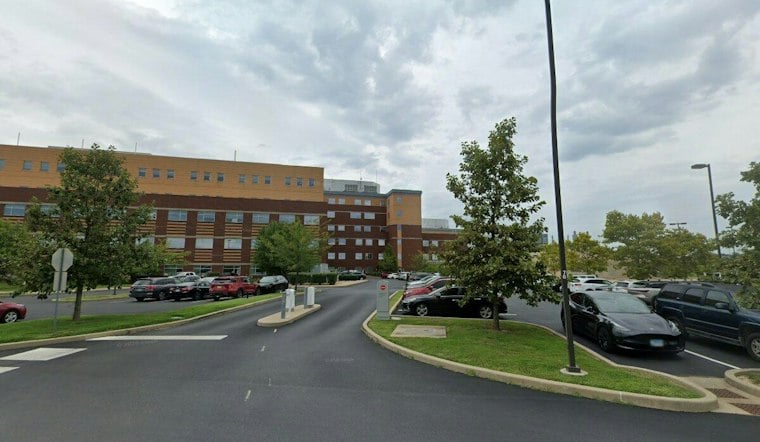
Expectant mothers in Southern Illinois facing high-risk pregnancies have long had to drive dozens of miles for specialized prenatal care. That changes Monday, when SSM Health Good Samaritan Hospital in Mt. Vernon opens a new Maternal-Fetal Medicine Clinic designed to bring that care closer to home.
The clinic is scheduled to open November 16, according to southernillinoisnow.com, and will offer comprehensive care for high-risk pregnancies, including maternal-fetal medicine consultations, fetal ultrasounds, and non-stress testing and fetal monitoring. The clinic’s team will include Dr. Judith Mead, MD, along with two nurse practitioners, per the same report.
Before the clinic’s opening, many patients requiring specialized prenatal care needed to travel considerable distances for appointments and testing, the outlet reported. Maternal-fetal medicine providers were located approximately 55 miles away in Carbondale and 66 miles away in Shiloh for many Southern Illinois families, according to the report.
A Local Investment, Hospital Leader Says
Damon Harbison, president of SSM Health in Southern Illinois, framed the new clinic as more than a convenience. He said the opening represents an important investment in the health of mothers, babies and families throughout Southern Illinois, the outlet reported.
Harbison added that bringing maternal-fetal medicine services closer to home can help reduce travel burdens, improve access to specialized care and provide greater peace of mind for expectant families, per the same account. For families who previously had to plan hours-long trips around prenatal testing appointments, that shift in logistics could matter as much as the clinical care itself.
Telehealth Already Links Patients to Specialists
SSM Health has also been using telehealth to bridge distance gaps even before the new clinic’s debut. According to SSM Health, the system uses telehealth technology to connect patients with maternal-fetal medicine specialists at SSM Health St. Mary’s Hospital in St. Louis for consultations and Level II sonogram interpretations. St. Mary’s has 10 maternal-fetal medicine specialists who routinely consult with women in Southern Illinois, SSM Health says.
That kind of specialized support matters because, per SSM Health, 10% to 20% of pregnancies in the United States are high-risk and require extra treatment. The stakes of access extend well beyond convenience, too: the Aspects publication from SIU School of Medicine notes that a lack of maternal-fetal medicine care is associated with worse outcomes for mothers and their babies.
A Statewide Pattern of Maternity Care Deserts
The challenges facing Mt. Vernon-area families reflect a broader pattern across Illinois. As of 2024, 42.2% of Illinois counties had no obstetric clinician and 63.7% had no birthing facility at all, according to a report from March of Dimes.
On average, women in Illinois travel 14 minutes to reach their closest hospital with labor and delivery services, the report found, but about 117,000 women in the state live more than 30 minutes from such a hospital. Women in maternity care deserts travel 2.9 times longer than those in full-access counties, March of Dimes reported. SIU School of Medicine’s Aspects page adds that 95 percent of maternal-fetal medicine providers specifically are concentrated in metropolitan areas, leaving rural patients the farthest from specialized help.
SIU has tried to close that gap with its own telehealth program for central and southern Illinois, which the school says lets patients receive care much closer to their homes. Some patients would otherwise travel up to three hours to receive care, according to Aspects, but through the telehealth approach, women can often find care within 45 miles of home. The Mt. Vernon clinic adds an in-person option to that landscape, aiming to shrink the miles between high-risk pregnancy patients and the specialists who treat them.





