

























































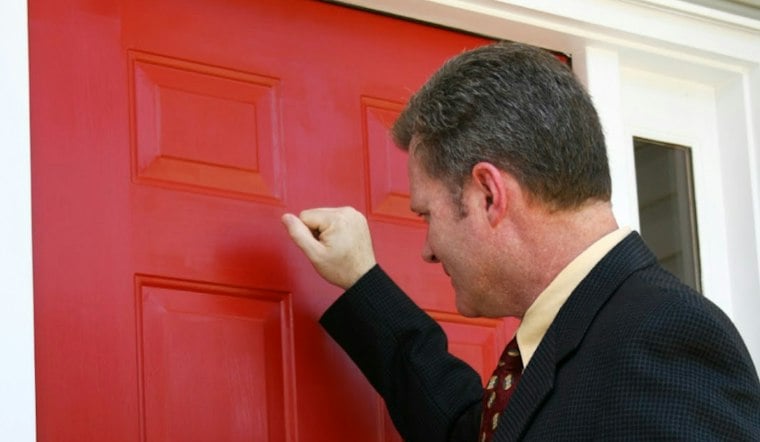
Metro Council is considering changes to Nashville’s Do Not Knock rules that would put enforcement under Metro Codes and Building Safety and create a complaint process with written warnings, civil penalties and possible permit revocation for repeat violations.
WKRN News 2 reported that the proposal was scheduled for a second reading on Thursday. Metro Council must give it three readings before it can become law. District 14 Council Member Jordan Huffman, who is advancing the measure, has said its goal is to help Nashvillians feel safe in their homes, according to WKRN News 2.
Why Council Members Are Seeking Changes
Huffman has said the existing registry is not deterring some solicitors from knocking. He told WSMV that residents in his district have repeatedly complained, particularly about security companies continuing to solicit at homes despite registration on the list. WSMV reported that Huffman described the complaints as unusually frequent among the issues constituents bring to him.
Huffman has also raised concerns about people posing as company representatives to get inside homes or scope them out, WSMV reported. The proposal would require solicitors to clearly display their Metro permit when approaching a home, according to WSMV. The station has reported that door-to-door sales-company solicitors must pass a Metro background check and receive a Metro-issued badge under current rules.
Changing Who Handles Enforcement
The ordinance would transfer responsibility for enforcing the registry from the Metropolitan Clerk’s office to the Metro Department of Codes and Building Safety. Huffman has said Codes is better equipped for the work. The clerk’s office has previously said its enforcement and investigative capabilities are limited.
WSMV reported that a public-records request by reporter Amber Lockhart found hundreds of complaints about door-to-door solicitors over the previous two years, with no citations issued during that period. The station has also reported that existing Metro ordinance allows a $50 fine per violation per day tied to the Do Not Knock list.
The Proposed Complaint Process
Under the proposal, a resident who believes a solicitor has ignored the registry could file a written complaint through hubNashville, prompting a warning from Metro government. WSMV reported that complaints could include photo or video evidence. Further complaints could lead to escalating penalties, and Huffman has said repeat cases could ultimately require a court appearance.
Metro Codes would track violations under the proposed system and could revoke permits for repeat offenders, according to WSMV. Huffman has argued that escalating fines could reduce unwanted solicitation and said the measure is intended to ensure compliance with rules already on the books.
What the Current Rules Cover
Nashville’s Metropolitan Clerk’s Office says an owner or lawful occupant may register a residence on the Do Not Knock list; the registry applies to residential properties, not businesses, and an address remains on it for two years. The office’s guidance also says religious and charitable organizations covered by Metro Code Section 6.64 do not need solicitation permits or ID badges. The guidance describes current rules but does not say when the list was established. Metro’s registry guidance and solicitor guidance set out those terms. A separate East Nashville incident does not establish that a solicitor falsely claimed to represent a company or violated the registry. WKRN reported that doorbell-camera footage from Aug. 18, 2025, showed a pest-control salesperson continuing to pitch after a resident repeatedly declined, but the report did not say the address was on the Do Not Knock list or describe a false claim of affiliation. WKRN News 2 reported on the encounter.
The proposal must complete Metro Council’s three-reading process before any of its changes can take effect.



