

























































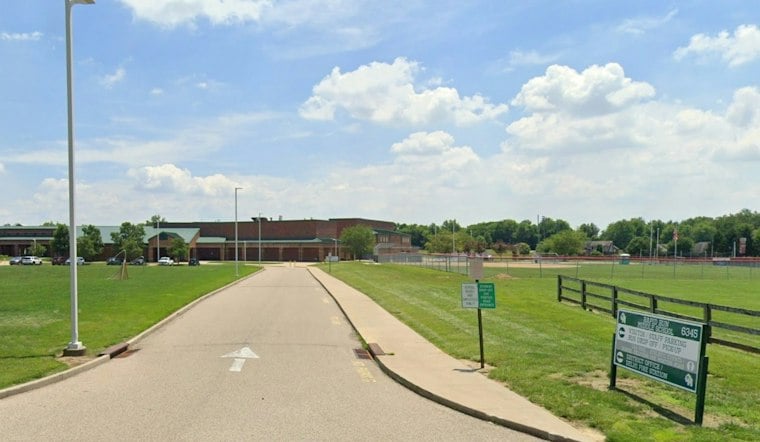
Oak Hills Local School District leaders say the district is spending more money than it brings in, and now the school board is weighing whether to ask West Side taxpayers for help. The district faces a January 15 deadline to submit a financial plan to the state, adding urgency to a conversation that officials say has been building for months.
According to WKRC, the Oak Hills School Board held a special meeting Monday to weigh a possible levy. The district says changes in state funding and rising costs are draining its cash reserves, and that it is now spending more than it takes in. The board's own district news page confirms the special meeting was scheduled for 6 p.m. Monday, November 16.
The financial strain isn't coming out of nowhere. Oak Hills' August board agenda included a recommendation that the board approve the financial forecast as attached.
A Levy Gap Stretching Back Nearly Three Decades
Part of what makes this moment notable is how rarely Oak Hills has gone back to voters for operating money. The district has had just one tax levy increase since 1997, the station's report notes. Even the money raised through that increase comes with strings attached — it's restricted to building projects and cannot be used for daily operations, per the same account.
That restriction matters because it means the day-to-day budget pressures the district describes — covering salaries, utilities, supplies, and other operating costs — have had to be absorbed largely without new revenue for nearly three decades. Oak Hills voters did approve a 37-year, $68.5 million bond in 2025 to replace three of the district's oldest schools, according to WLWT, but that bond was structured to keep tax rates at the same level approved under the 1997 bond rather than raise new operating dollars.
Oak Hills voters have not always said yes to new levies, either. Back in 2018, 76% of voters rejected a proposed 4.9-mill continuing levy that was projected to generate $5.34 million annually, The Cincinnati Enquirer reported at the time.
Oak Hills Isn't Alone in the Squeeze
The district's financial worries fit into a much larger pattern across Ohio. An analysis covered by WVXU found that close to 10% of Ohio districts are projected to face severe financial strain by the end of the current fiscal year, with that number expected to jump to more than 63% by fiscal year 2030. More than 60 Ohio public school districts had either a new property or income tax on the November 2026 ballot, the station reported.
But asking voters for new money hasn't been an easy sell statewide. Just 13% of Ohio school district income tax levies were approved on November 3, even though 54% of all levies passed at the ballot that day, according to The Columbus Dispatch.
Nearby districts illustrate both outcomes. North College Hill City Schools laid off around a quarter of its teachers and five educational aides after facing a projected $2 million deficit in spring 2026, and the district put a 1.25% earned income tax levy before voters in November to avoid further cuts, per WVXU's reporting. Mt. Healthy, meanwhile, finally passed a new earned income tax in May 2026 after four prior attempts, with revenue expected to begin arriving in 2027.
Other Southwest Ohio districts show what happens when levies fail. Northwest Local Schools voters rejected a continuing 1.5% earned income tax, and the district said it must now cut about $7 million from its 2027-2028 budget, local12.com reported. Lebanon City Schools has projected a deficit of about $8.5 million in 2030, rising to roughly $11 million the year after, and Fairfield City Schools has said it could face approximately $11 million in reductions during the 2027-2028 school year without new revenue.
What the State Requires
Ohio law gives the state a formal mechanism for intervening when district finances deteriorate. Under Ohio Revised Code Section 3316.031, the state director may declare a district under fiscal caution after reviewing its budget information and three-year forecast and consulting with the district's board. That provision is conditional, and nothing in available records establishes that Oak Hills has been placed under that designation.
For now, the immediate marker on the calendar is the January 15 deadline for Oak Hills to submit a financial plan to the state, as WKRC reported.



