

























































Ohio has released a three-year roadmap meant to make it easier for the state's roughly 626,000 veterans to find help, from mental health care to housing to the bumpy transition out of military life. The Ohio Department of Veterans Services plan, covering 2027 through 2029, lays out six priorities and comes alongside plans for a new state veterans' home and a digital system designed to point veterans toward the right services.
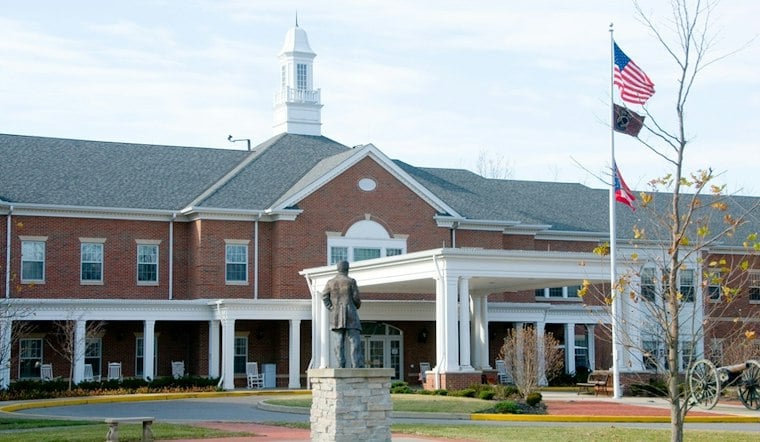
The state plan aims to connect county offices, state agencies, federal systems, nonprofits and health care networks that veterans and their families already rely on, according to Cleveland.com. Governor Mike DeWine said Ohio has a responsibility to ensure veterans and military families feel appreciated, respected and supported, per that report. Ohio currently has two state veterans' homes, in Sandusky and Georgetown, and the state plans to build a third in central Ohio.
Long-Term Care and the Distance Problem
Distance to care is described as a major barrier for veterans who need long-term care, and veterans and families in rural Ohio face provider shortages, long waits and transportation problems, according to the same Cleveland.com report. To address that, the Ohio Department of Veterans Services plans to expand options that help aging veterans stay at home and to provide more consistent help for their caregivers.
That rural access challenge isn't unique to Ohio. Research cited by the U.S. Government Accountability Office shows that veterans, especially those living in rural areas, can have trouble getting the mental health care they need. The state plan lists behavioral health care as its second priority, and the department plans to launch a statewide behavioral health awareness campaign as part of that push.
Suicide Prevention Grants Awarded
The behavioral health priority arrives as federal suicide-prevention grants have been awarded to Ohio veterans' groups. The U.S. Department of Veterans Affairs has awarded $2.5 million in grants to six community organizations that provide suicide prevention services to veterans in Ohio, according to WCPO. That funding is expected to become available at the start of fiscal year 2027, the same year the state plan takes effect.
The stakes behind that funding are stark: 61% of veterans who died by suicide in 2023 had not received VA health care in their last year of life, per the outlet's reporting. Last year, grantees under the VA's Fox program served roughly 17,000 veterans, service members and family members, a 31% increase from 2024, and connected 344 at-risk veterans to emergency mental health care, the station reported.
Supporting Military Families and Gold Star Relatives
Military families make up the plan's third priority. Families often face separate, uncoordinated programs when seeking help for a loved one, according to Cleveland.com's reporting, and the department plans to appoint a statewide coordinator for military families to help smooth that process. The plan would also establish Ohio's Gold Star and Survivor Support Program in state law, formally recognizing relatives of service members who died on active duty.
A Digital Front Door and a New Data Office
Helping veterans actually find assistance is the plan's fourth priority, and the centerpiece there is a planned digital front door meant to direct veterans and families to the services that fit their needs. The department intends to use artificial intelligence among the tools built into that system, according to the Cleveland.com report.
Data collection is the plan's fifth priority. The department plans to create a Division of Data and Performance and appoint a chief data officer, with the division aiming to measure statewide results, identify underserved areas and share findings with partner organizations, per that reporting. Separately, the department already runs Find Your Ohio, which it describes as a tool for helping transitioning military members, veterans and their families engage with top Ohio organizations, according to the Ohio Department of Veterans Services.
Easing the Jump From Uniform to Civilian Life
Transition to civilian life rounds out the plan as its sixth priority. That shift touches jobs, education, health care, housing and family life all at once, and service members can lose momentum between leaving the military and connecting with local resources if help doesn't arrive quickly, Cleveland.com reported. To close that gap, the department would create a transition liaison team and contact service members directly as they leave the military.
Ohio law already requires county alcohol, drug addiction and community mental health boards to submit local community plans and consult with each other while doing so, according to the Ohio Revised Code. Under the new state plan, those county boards would also be required to specifically address veterans' needs in their community plans, Cleveland.com reported, tying the statewide strategy directly to the local systems veterans already navigate.



