

























































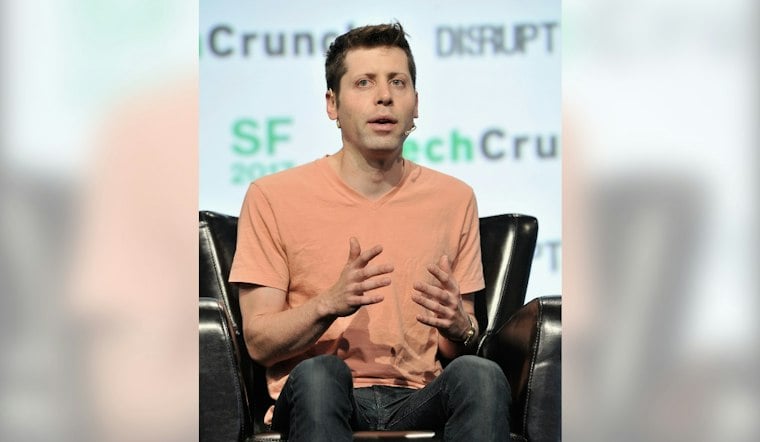
OpenAI has cut the target for its latest fundraising round by one-third, now seeking up to $20 billion instead of the previously reported $30 billion, as the company navigates a jittery investment climate for artificial intelligence. The ChatGPT maker has already secured $11 billion toward that goal, though the first close is expected to land even below the new $20 billion mark.
A Shrinking Target and a Looming Deadline
According to TechCrunch, the round will be led by a group of investors from the United Arab Emirates, and a subsequent retail offering aimed at wealthy individuals could eventually push the total raised up to the full $20 billion target. The figures remain fluid; a person familiar with the deal told CNBC that final terms are still subject to change, and the round has not yet closed. The Financial Times has reported that OpenAI set a Friday deadline for investor commitments and that the company trimmed the round target by $10 billion after some investors pulled back their planned allocations, per CNBC's account of that reporting.
The scaled-back goal marks a steep comedown from where talks reportedly started. OpenAI had previously been raising money at a $1.4 trillion valuation before that figure slipped to $1.25 trillion post-money, according to the Financial Times' reporting cited by TechCrunch. OpenAI did not immediately respond to a request for comment, CNBC reported, and the company separately declined to comment when CNBC asked about the fundraising talks back in September.
Wall Street Gets Cold Feet on AI
The retreat comes as Wall Street investors have grown wary of heavy AI infrastructure spending, a shift TechCrunch ties to a broader sell-off in tech stocks. OpenAI's own fundraising effort has met with a tepid response from some large investors, per the same TechCrunch report. The market turbulence was on vivid display Friday, when the Nasdaq fell 2.9 percent and chip stocks were hammered — Nvidia dropped 4 percent, Broadcom fell more than 5 percent, and Qualcomm sank 11 percent, according to TechCrunch's coverage of the sell-off. Separately, Intel fell 25 percent on lackluster revenue guidance and Micron dropped 5.5 percent that same day, while Microsoft, Alphabet and Amazon had each issued capital expenditure figures or forecasts below analyst estimates in the preceding week.
Alphabet also posted its worst trading day ever that Thursday after its search revenue fell short of expectations; the company's chief business officer, Philipp Schindler, said lower monetization in Google's AI Mode had partly weighed on search results. The jitters reflect a deeper unease documented by TechCrunch: investors are increasingly questioning whether heavy AI infrastructure spending will produce negative free cash flow, add to debt, or generate returns; debt has become another focus of concern.
An IPO Bridge Loan With Strings Attached
CNBC has reported that OpenAI's financing has been positioned as an opportunistic bridge ahead of a potential initial public offering, and that the company confidentially filed its prospectus with the Securities and Exchange Commission in June. OpenAI Chief Financial Officer Sarah Friar told employees in August that the company would be public by 2027. OpenAI is also negotiating a separate commercial deal to secure additional computing capacity from the UAE, according to CNBC.
That spending appetite helps explain why the cash keeps flowing even as targets shrink. OpenAI raised $122 billion at an $852 billion valuation in March, per CNBC's earlier reporting, and rival Anthropic closed a $65 billion round at a $965 billion valuation in May. TechCrunch has noted that current spending anxiety could complicate Anthropic's anticipated IPO. OpenAI CEO Sam Altman spoke at Oracle AI World in Las Vegas last week, as the broader AI investment climate he is navigating grows markedly more cautious than it was just months ago.





