

























































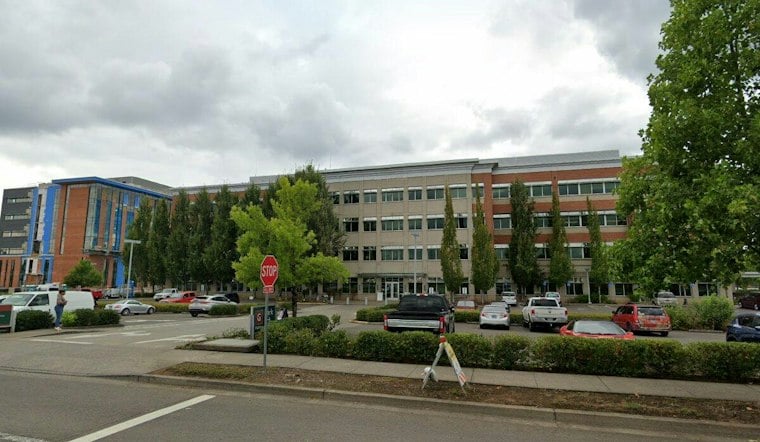
Oregon City commissioners voted on Wednesday to freeze new data center and battery energy storage system development for 120 days, even though the city had zero applications or inquiries from the industry on file when the vote happened. The moratorium blocks projects in five industrial and mixed-use zones while city staff dig through existing codes and write new rules governing how, or whether, such facilities can be built.
No Projects Pending, But Commissioners Moved Anyway
According to KATU, there were no open applications or inquiries from data centers when commissioners approved the pause on Nov. 4. The station reports the moratorium will block new applications in five industrial and mixed-use zones while staff audit city codes and draft new regulations. The timing matters because Oregon City has industrial land it is looking to develop, and leaders wanted rules in place before any developer shows up with a proposal.
Oregon City's Mayor-elect Adam Marl, who still holds his seat as a city commissioner until he's sworn in, framed the move as getting ahead of a problem rather than reacting to one. “I wanted us to be proactive in our approach to make sure that we have the regulations in place to protect our community,” Marl told the station. He added that current city code does not contemplate the existence of data centers at all, meaning a proposal filed today would move forward with no public input built into the process.
A Regional Pattern Takes Shape
Oregon City isn't acting in isolation. Clackamas County commissioners voted unanimously on Oct. 22 to impose their own temporary ban on data center development in unincorporated parts of the county, according to a Clackamas County announcement. That moratorium took effect immediately and runs 120 days unless county officials extend or repeal it sooner, with the county saying the pause gives staff time to study the issue and consider appropriate regulations. Salem and Woodburn passed similar 120-day moratoriums of their own after what the Statesman Journal described as an outpouring of public sentiment against the projects.
State government has also stepped in. Gov. Tina Kotek directed the Oregon Department of Environmental Quality to stop issuing environmental permits for new or expanding data centers through July 2027, per KATU's reporting. Marl said the local moratorium helps Oregon City get ahead of data center development rather than scrambling to catch up once a developer comes calling.
Why Cities Are Suddenly Paying Attention
The flurry of local action follows mounting evidence of how fast the industry is growing statewide. A report cited by OPB counted 111 operational data centers in Oregon as of September, with 32 more planned or under construction. The same report found that data centers accounted for roughly 23% of the state's retail electricity sales in 2025, a figure researchers expect to climb to 31% or 32% of statewide demand by 2030.
The report also estimated the industry directly employs 2,630 people in Oregon, with the overwhelming majority, 2,205 workers, concentrated in Eastern Oregon rather than the Willamette Valley communities now passing moratoriums. OPB's reporting noted that researchers found inconsistent, incomplete, or unavailable data on water use and other community impacts tied to these facilities, a gap that has made it harder for city councils to evaluate what they're actually approving.
Land use adds another layer of pressure. Oregon communities are collectively planning for 9,100 acres of additional data center development on top of the roughly 2,900 acres such facilities already occupy statewide, according to reporting from The Oregonian/OregonLive. That would roughly quadruple the industry's current footprint in the state, a scale of expansion that helps explain why Oregon City opted to write its rulebook before the first proposal ever lands on a planner's desk.




