

























































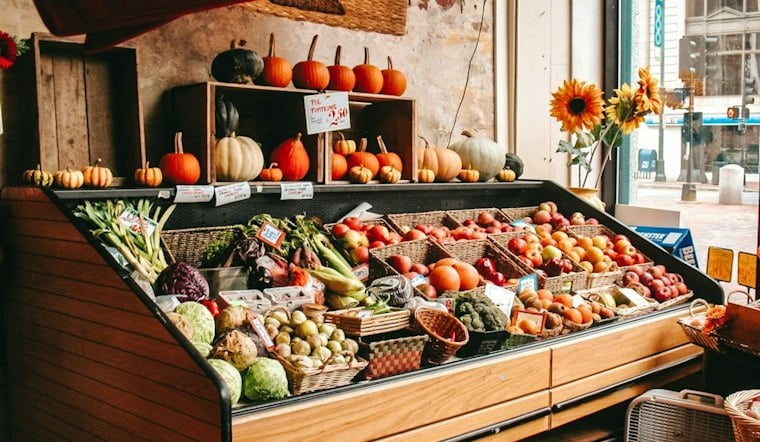
Oregon's Double Up Food Bucks program, which matches SNAP shoppers' fresh-produce purchases dollar for dollar, began rolling out a sharply lower benefit at roughly 40 participating grocery stores statewide this month after failing to secure federal funding for the coming year. The grocery-store match dropped from up to $20 per transaction to $10 per day, a change that started in November at stores including Southeast Portland's People's Food Co-op, one of the program's earliest grocery-store participants.
Brit Sinnott, a People's Food Co-op employee and single mother of a 5-year-old, has relied on Double Up while receiving SNAP benefits and was in the middle of trying to renew lapsed benefits when the cut arrived, according to The Oregonian/OregonLive. Sinnott said SNAP shoppers tend to shop intentionally, and that Double Up helps stretch benefits, increase produce purchases and reduce waste — a benefit she said has become especially important as rising prices make grocery dollars go less far.
The co-op said in a blog post that the program simply was not awarded federal funding for the upcoming year, after federal dollars had historically covered about half of Double Up Food Bucks Oregon's budget. People's Food Co-op confirmed it reduced its in-store match from a $20-per-transaction cap to a $10-per-day cap starting Nov. 10, as detailed by People's Food Co-op. Under the new structure, a SNAP shopper spending $20 in benefits now receives $10 in additional produce-purchasing match, rather than the previous dollar-for-dollar match up to $20 per transaction.
Co-op Warns a Full Pause Is Possible
Charlotte Clemente, a manager at People's Food Co-op, estimated that about 15% of the co-op's customers use SNAP. Double Up shoppers spent $100,400 in matched benefits on produce last year, accounting for nearly 7% of the co-op's $1.5 million in annual produce sales. Clemente expects some shoppers to buy less and make more frequent trips to maximize the new daily cap, and said some customers who travel from farther away may decide the savings no longer justify the trip.
The co-op said it is preparing for a potential sales decline and plans to pursue fundraising to help customers afford fresh produce. It also warned that a monthly funding cap tied to the program could eventually force a temporary pause in in-store Double Up benefits altogether, though the co-op said it remains uncertain whether or when that might happen. A similar reduction took hold at Medford Food Co-op on Nov. 1, which lowered its match but still allows shoppers to earn more than $10 in rewards at a time, with the $10 limit instead capping how much a shopper can earn per day.
Farmers Markets Aim to Hold the Line — For Now
Not every corner of the program is shrinking at the same pace. The nonprofit Farmers Market Fund, which oversees Double Up at farmers markets statewide, said it plans to draw on state funding and other fundraising to minimize the impact of the federal cuts. People's Farmers' Market said it intends to keep its $20-per-market-day match in place throughout the 2027 season, and some other farmers markets expect to keep offering the full $20 match as well.
Statewide, Double Up Food Bucks relies on a mix of federal grants, state funding and private donations, and the Oregon Food Bank oversees the grocery-store side of the program. Morgan Dewey, an Oregon Food Bank spokesperson, said the federal grant competition this cycle was especially tough because the federal government had not accepted applications the year before. Oregon had sought $6.5 million in federal funding for Double Up in 2026 but received none of what it requested, Dewey said, with nearly $2 million of that request earmarked specifically for grocery-store benefits.
Dewey said the Oregon Food Bank reduced the daily match in order to extend the program's remaining funds, and noted the program may ultimately cap how much each store can distribute monthly if additional funding doesn't materialize. The cuts could hurt grocery stores that depend on Double Up to attract customers and drive sales, Dewey said, adding that Oregon families are already facing rising costs alongside cuts to assistance programs.
A Program Built on Repeated State Investment
Double Up Food Bucks has leaned on state support before. A coalition led by the Farmers Market Fund received a $4.2 million state appropriation in 2023 to expand the program, according to KTVZ. That followed a 2021 state appropriation that let the program raise its daily farmers market match from $10 to $20 at nearly every participating market, and it marked the program's third state appropriation since its first in 2019. At the time, Double Up was offered at 88 farmers markets, 65 CSA farms and more than 30 small grocery stores, though the coalition's original ask of $8 million was scaled back after HB 2728 was abandoned amid Senate walkouts that slowed the legislative session.
More recently, Oregon lawmakers agreed to continue funding Double Up at $4.3 million for the current two-year budget period. But that state money comes against a backdrop of mounting need: Oregon has one of the nation's highest SNAP participation rates, and state figures show SNAP enrollment fell by about 90,000 beneficiaries in September 2026 compared with September 2025.
Rising Demand Across Oregon's Food Assistance System
The funding squeeze on Double Up arrives as food-assistance needs climb across the state. Visits to Oregon Food Bank Network sites increased more than 51% over the past two years, Dewey said. Separately, the Oregon Food Bank has reported that 93,000 Oregonians lost SNAP benefits after the 2025 federal budget reconciliation law passed, and that visits to its food sites have risen 90% since the pandemic, according to KOIN. The Portland Rescue Mission has tracked an 11% increase in people coming in for a hot meal, and the Oregon Food Bank says one in six Oregon children face food insecurity.
Broader data compiled by OPB shows 126,000 fewer Oregonians were receiving federal food assistance benefits in June 2026 than a year earlier, even as grocery costs have risen more than 30% since 2019. Food banks, pantries and other assistance sites across Oregon and Southwest Washington logged 2.9 million visits in 2025, nearly double the 1.5 million recorded in 2019. More than 646,000 Oregonians were enrolled in SNAP as of June 2026, a program that fuels the state's grocery stores, farmers and food economy with $1.6 billion annually, and average enrollment climbed by more than 100,000 people between 2020 and 2024.




