

























































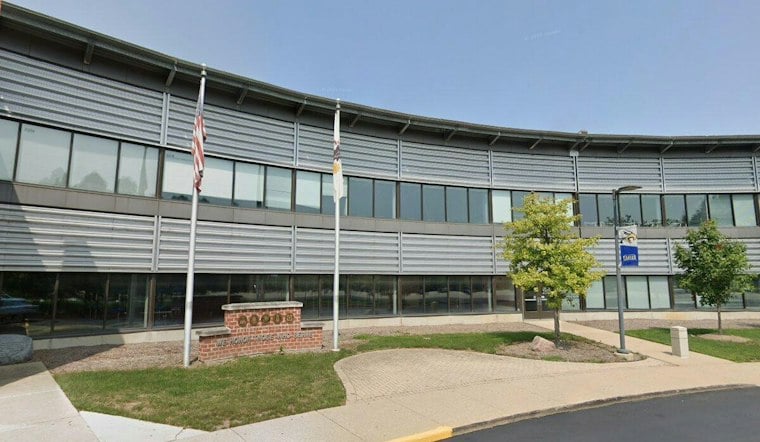
District 230's school board voted 6-1 on Nov. 18 to approve a $154.1 million property tax levy for 2026, a 4.85% increase over the previous year's extension that will show up on bills payable in 2027. The district, which includes Sandburg High School in Orland Park, Stagg High School in Palos Hills and Andrew High School in Tinley Park, passed the increase after a year marked by cash-flow strain tied to delayed Cook County property tax distributions.
Board member Tony Serratore cast the lone dissenting vote. According to Chicago Tribune, Serratore nonetheless called the district's ability to keep a balanced budget remarkable given its difficult fiscal situation this year. Of the total levy, district documents show $124.6 million is allocated for education purposes, $14.9 million for operations and maintenance, and $9.9 million for transportation — a transportation allocation that rose nearly $3 million over 2025.
A Year of Cash-Flow Trouble
The levy increase comes after months of financial headaches tied to Cook County's property tax system. As of March 5, 9% of District 230's 2024 tax levy remained unpaid, and the district's assistant superintendent, Jeff Eagan, said the late payments cost the district about $1.3 million in lost revenue and extra expenses, the Tribune reported in its earlier coverage. Eagan said the delays also jeopardized the district's ability to make payroll and forced it to borrow millions of dollars, racking up interest and fees in the process.
District 230 joined a coalition of school boards in March demanding their share of the delayed payments. The underlying problems stemmed from the county's property tax system itself: data problems and continued defects have contributed to the late mailing of property tax bills, payment of refunds to taxpayers, and distribution of property tax revenues to local schools, libraries and municipalities, according to a report from dailyherald.com.
The Bridge Loan Backstop
To steady its finances, District 230 received a $23 million bridge loan through Cook County's Local Taxing District Loan Program, a program the county says was developed to offset fiscal challenges local taxing districts experienced because of delayed tax bills and to offer them a lower-cost borrowing option. The program provides short-term, interest-free loans structured as tax anticipation warrants, according to Cook County's own account on cookcountyil.gov.
The district's loan carries a catch. It remains interest-free unless unpaid by its March 1, 2027, maturity date, at which point District 230 would owe 7% annual interest, according to school board documents cited in the same chicagotribune.com report that detailed the district's tentative fiscal 2027 budget. That budget, approved by the board in September, projects $197.9 million in total revenue and $197.7 million in expenditures for the fiscal year that runs from July 1, 2026, through June 30, 2027 — a budget the district initially pegged at roughly $198 million when the board approved it. Property taxes are expected to supply $151.5 million of that revenue, about 77% of the total.
Other Districts Face Similar Squeeze
District 230 isn't the only Cook County-area school system wrestling with levy increases amid the broader tax-distribution turmoil. Des Plaines Elementary School District 62 estimated earlier this month that its 2026 levy would grow by roughly $4.5 million, bringing the total to about $96.6 million, according to journal-topics.com. The district's financial contractor, Robert Grossi, recommended seeking the maximum levy extension, pointing to a five-year-low Consumer Price Index combined with the district's inability to borrow capital.
Not everyone on that board is on board. District 62 member Tina Garrett opposed the proposed increase, arguing that taxpayers are shouldering the burden while higher levels of government escape scrutiny. “We're penalizing all of us that pay taxes while our state and county aren't held accountable,” Garrett said, per journal-topics.com. District 62's board is scheduled to hold a hearing and vote on its own levy on Dec. 14.



