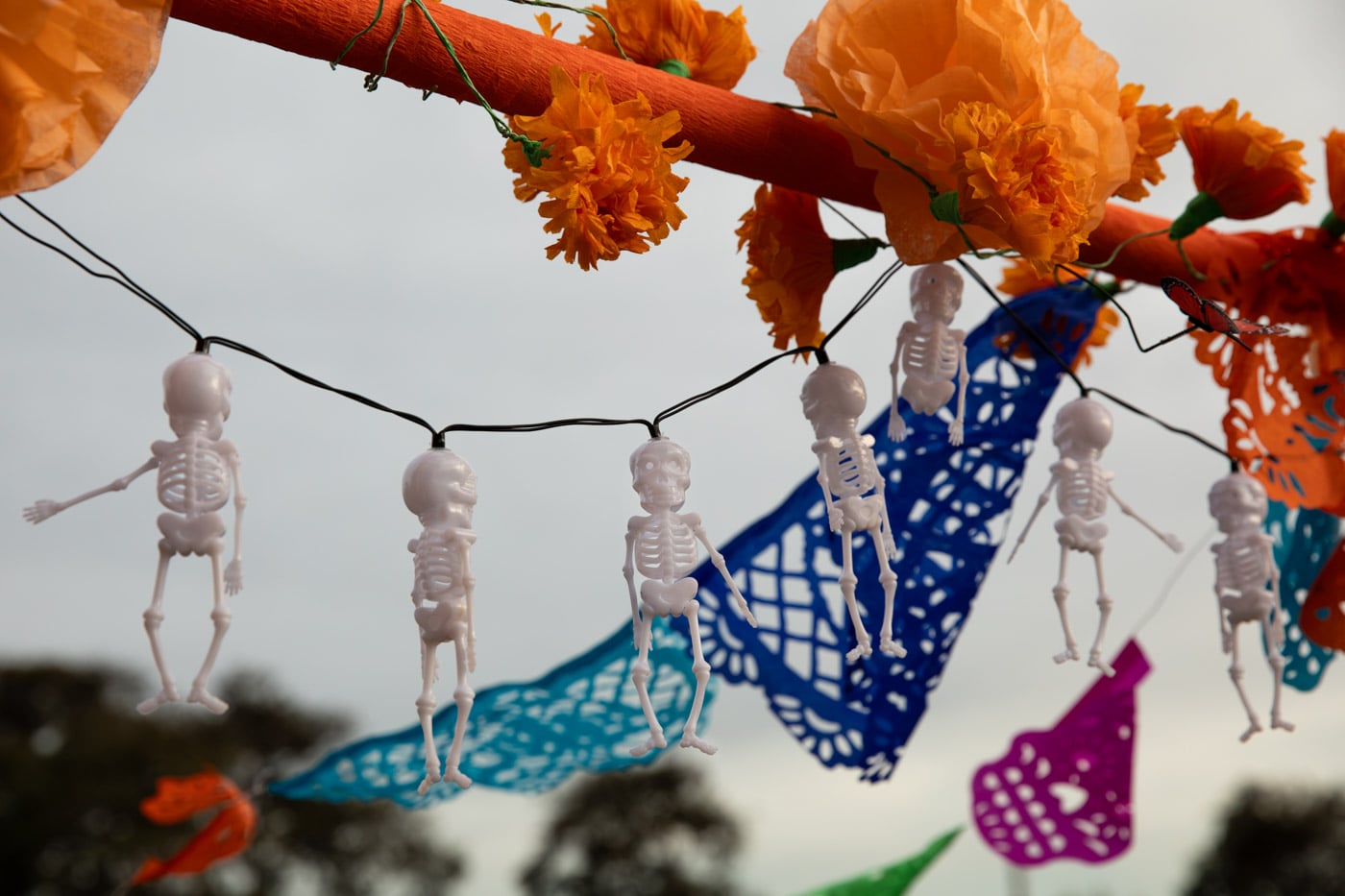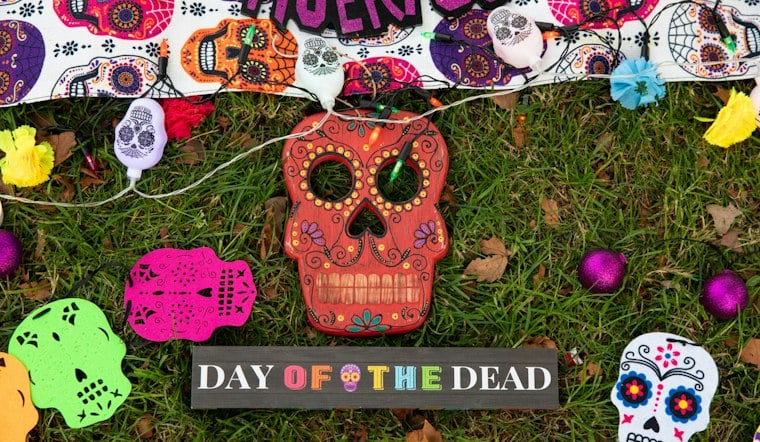
As they do every year, hundreds of people gathered in the Mission District on Monday night for Día de los Muertos, or Day of the Dead. The occasion is about honoring family, friends, and others who have passed away. Each year ,the neighborhood hosts both a Festival of Altars at Potrero del Sol Park and a procession through the streets. Día de los Muertos originates in Mexico, but the idea of honoring lost loved ones is something that resonates with a much wider community, with people from all backgrounds joining in both the procession and the building of altars.
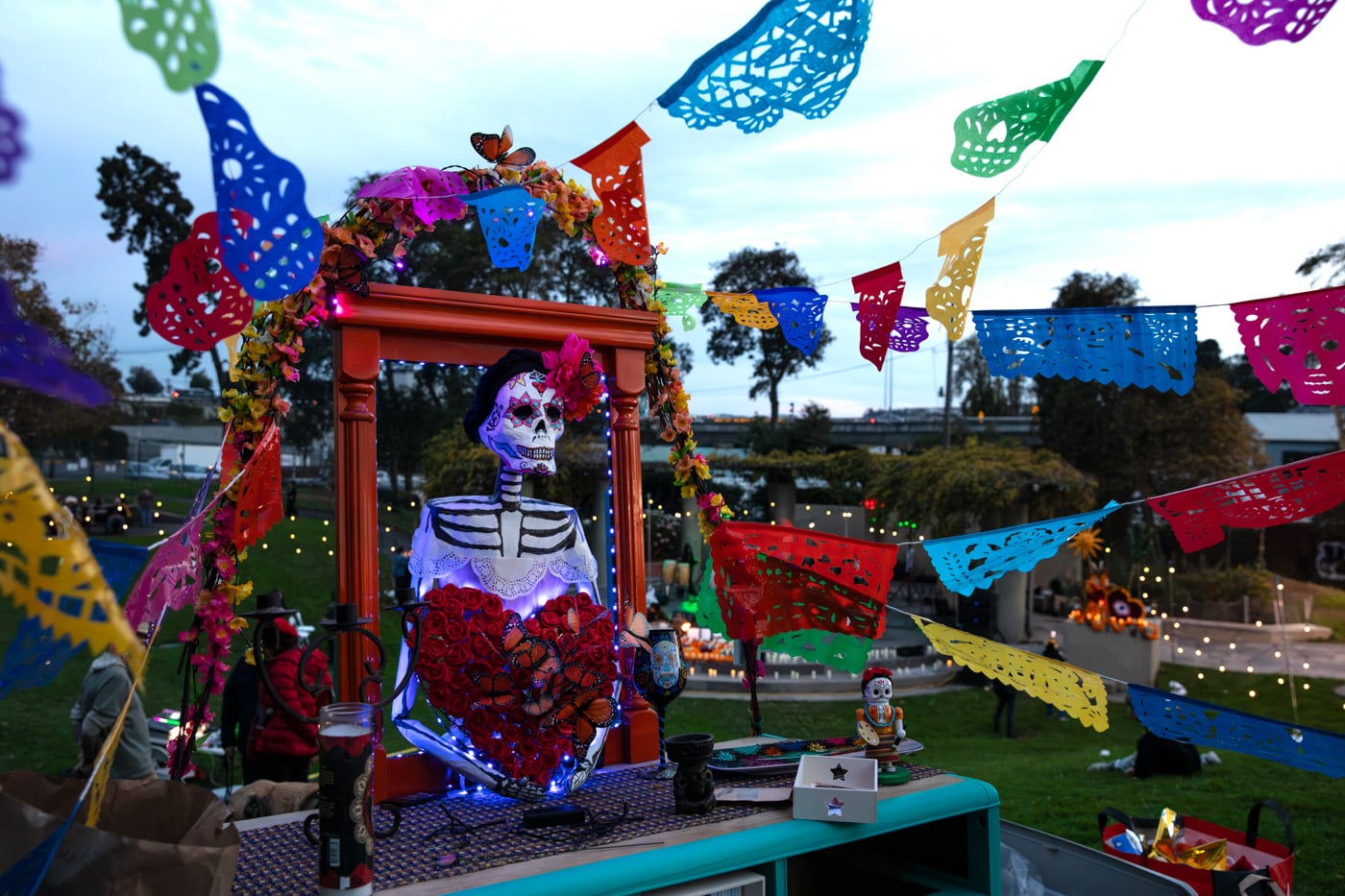
An altar with a Catrina (skeleton) and papel picado (decorative paper). |Photo: Cheryl L. Guerrero/Hoodline
This year was the 34th annual Festival of Altars in Potrero del Sol Park, known locally as La Raza Park. The community-built altars, or ofrendas, are hosted by the Marigold Project SF. Individuals are also invited to reserve a space to create their own altar or bring flowers or mementos they can place on some of the community altars. This year’s theme, “Familia: Entre Raíces y el Cielo,” which translates to “Family: Between Roots and Heaven,” reflected on “family as a living ecosystem and on families around the world experiencing displacement, separation, and violence.”
“What we wanted to do for the celebration is [that] whoever entered those doors feels like family, feels like a community,” Deni Aguilera, Co-Director of Marigold Project SF, said on the Monday night. “We are no longer strangers when we are choosing to celebrate together, when we are choosing to observe and see each other through the altar work, through art, through music, through sound, through healing.”
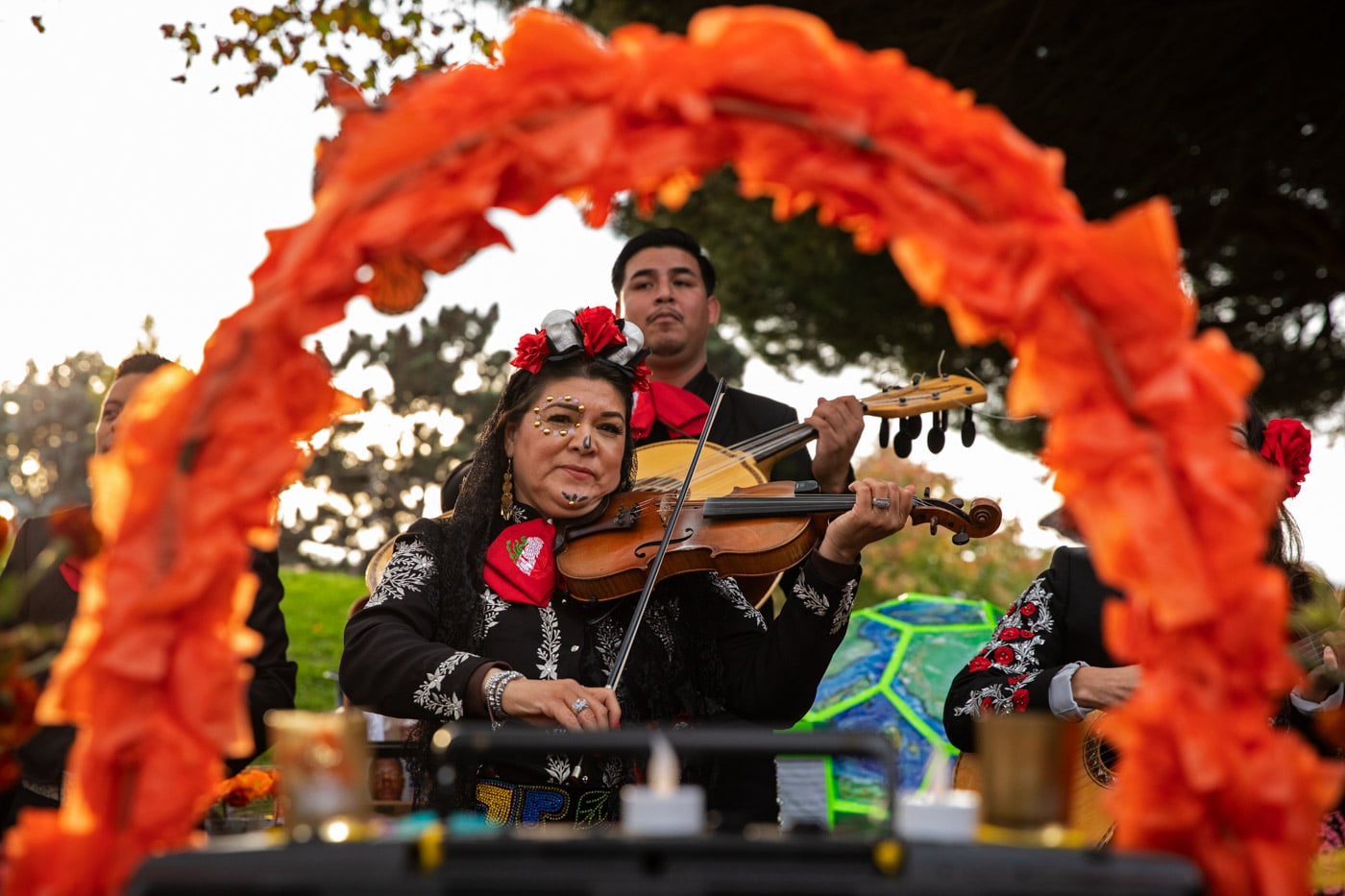
María Aceves of Mariachi San Carlos is seen playing a violin through an altar arch. |Photo: Cheryl L. Guerrero/Hoodline
Reed Levitt, a Mission District resident, said his family participated in Day of the Dead events in the neighborhood almost every year, but this year was especially poignant for them. Levitt had created an altar for his mother, Wendy Scheffers, who recently passed away.
“She was an incredible force of nature,” Levitt said of his mom, who taught blind and visually impaired children. He thought she would have wanted attention on all those who were being honored this year, but particularly those whose lives had been taken unjustly, noting she would have been moved by the altar next to hers honoring those killed by ICE.
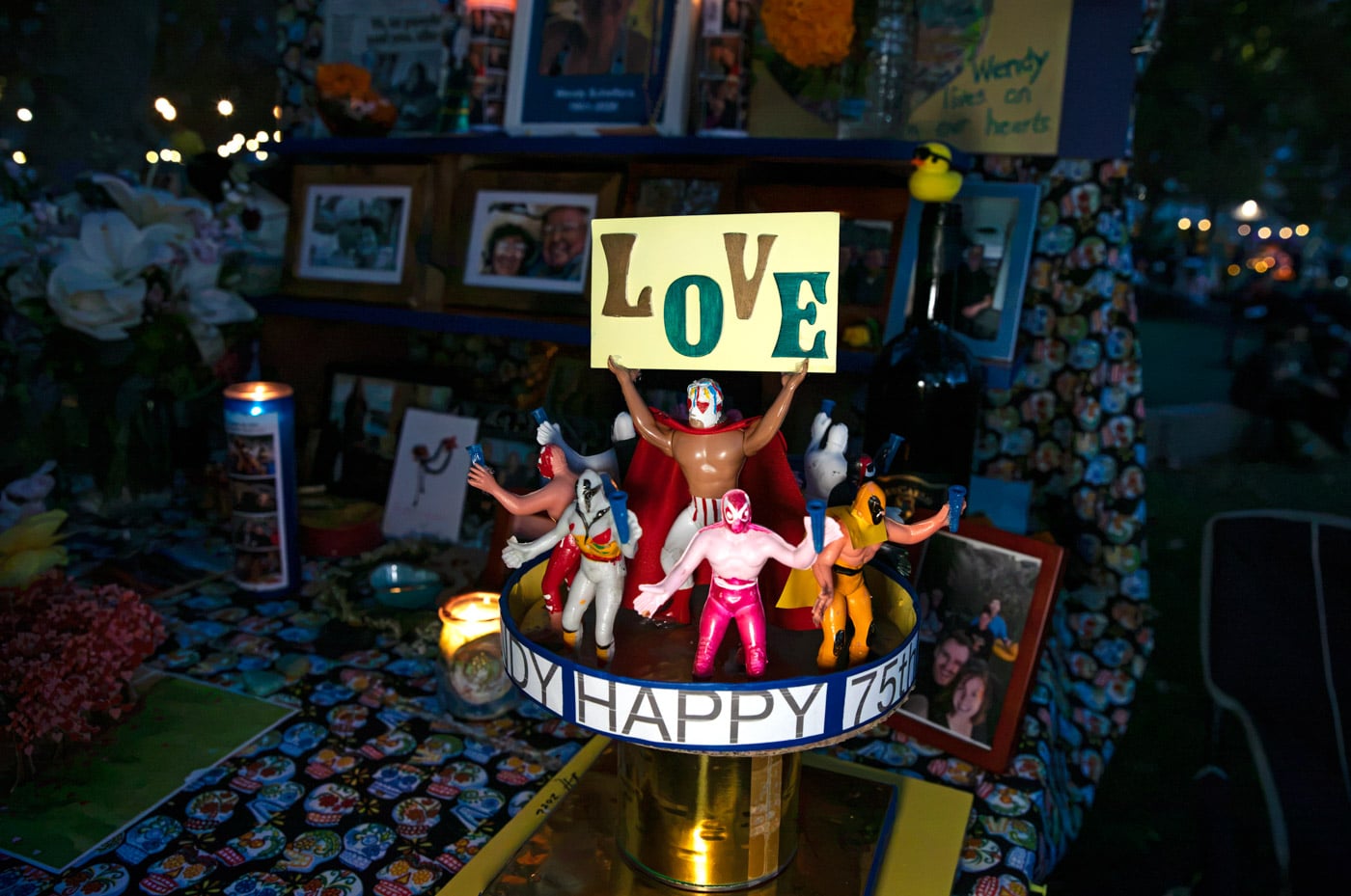
Plastic Lucha Libre wrestlers hold up a “Love” sign at the altar dedicated to Wendy Scheffers. |Photo: Cheryl L. Guerrero/Hoodline
This year also marked the 45th annual procession, which is organized by El Colectivo del Rescate Cultural (the Culture Rescue Collective). Azteca dance group Dazantes Aztecas Coyolxauhqu lead the procession through the streets, performing ritual dances, cleansing, and serving as spiritual guides.
This year, the Collective also honored several men who recently passed away and had been deeply involved with the procession each year.: Luis de la Garza, had been the collective’s director, passing away in August; rtist and social worker, Alberto Rangel, who was stabbed to death last December; and Ricardo ‘El Tigre’ Peña, a Mission store owner and Azteca dancer, who also passed away in December 2025. Peña was a pillar in the community and his dance group, Danza Azteca, led the procession every year.
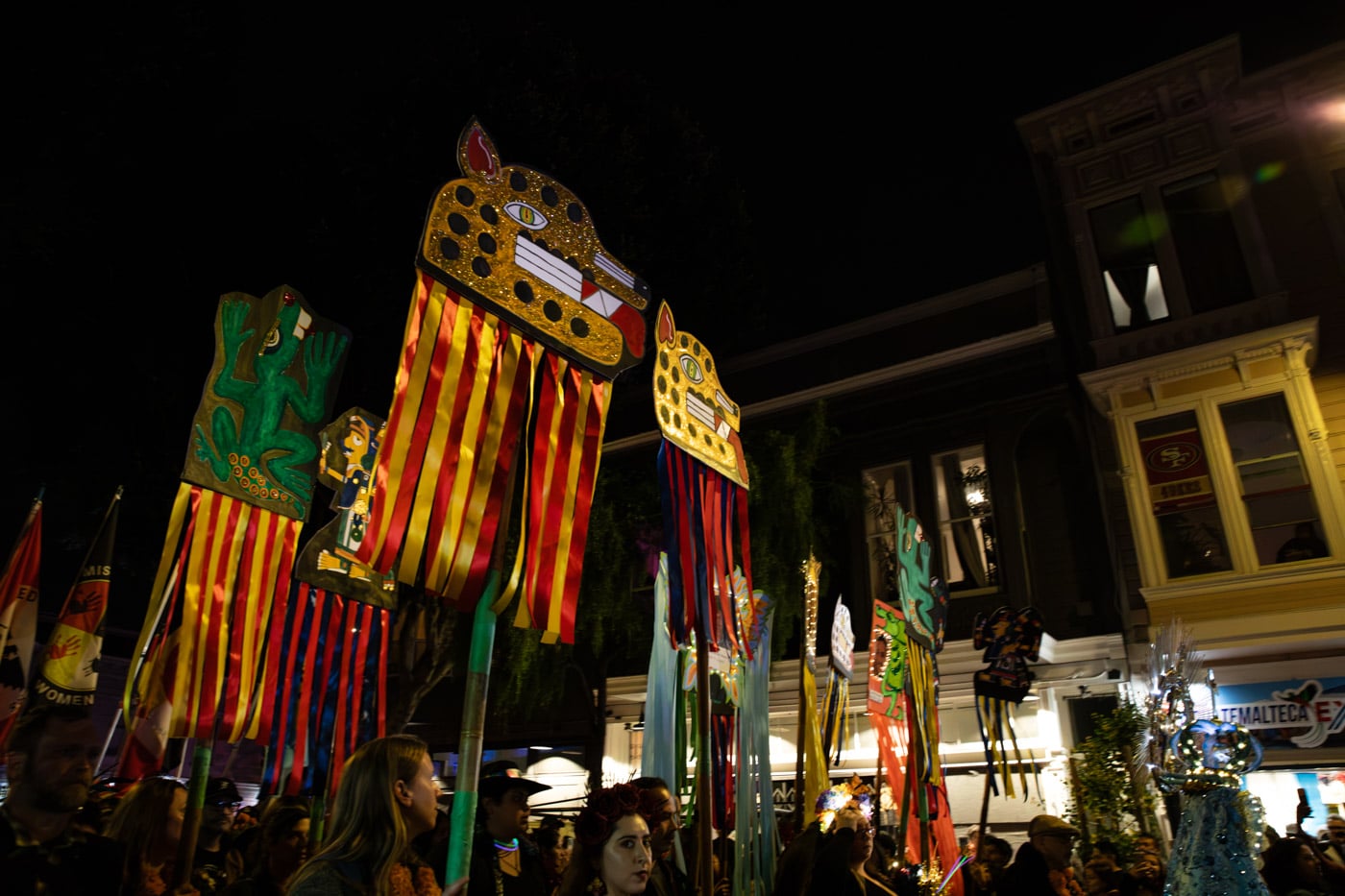
The procession makes its way up 24th Street. |Photo: Cheryl L. Guerrero/Hoodline
Attendees are reminded that the procession not a party, it is a sacred, cultural expression meant to honor the dead. The party, or celebration, comes afterwards.
Here are more scenes from Monday night’s Day of the Dead:
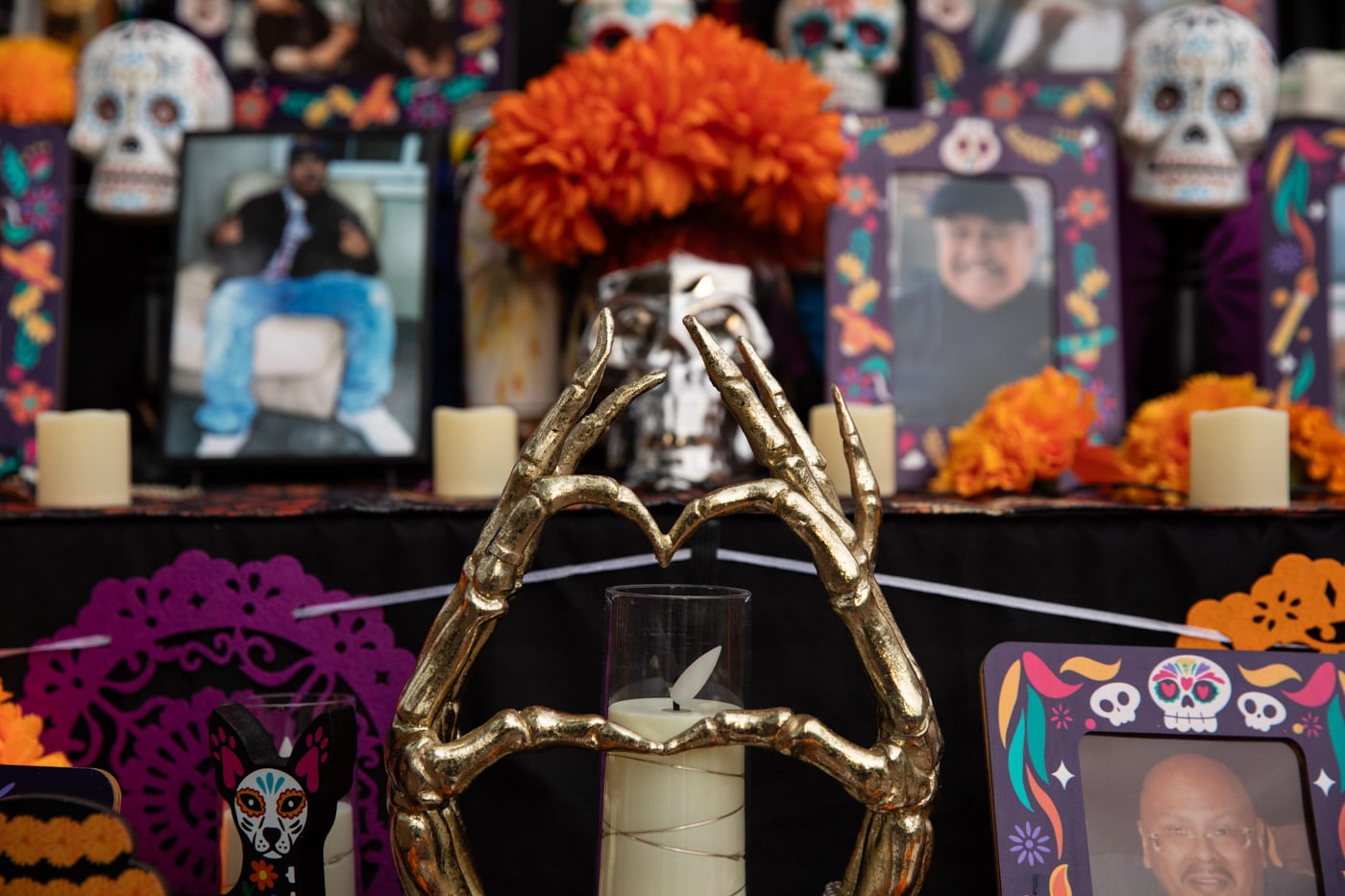
Skeleton hands form a heart on an altar in Potrero del Sol Park.
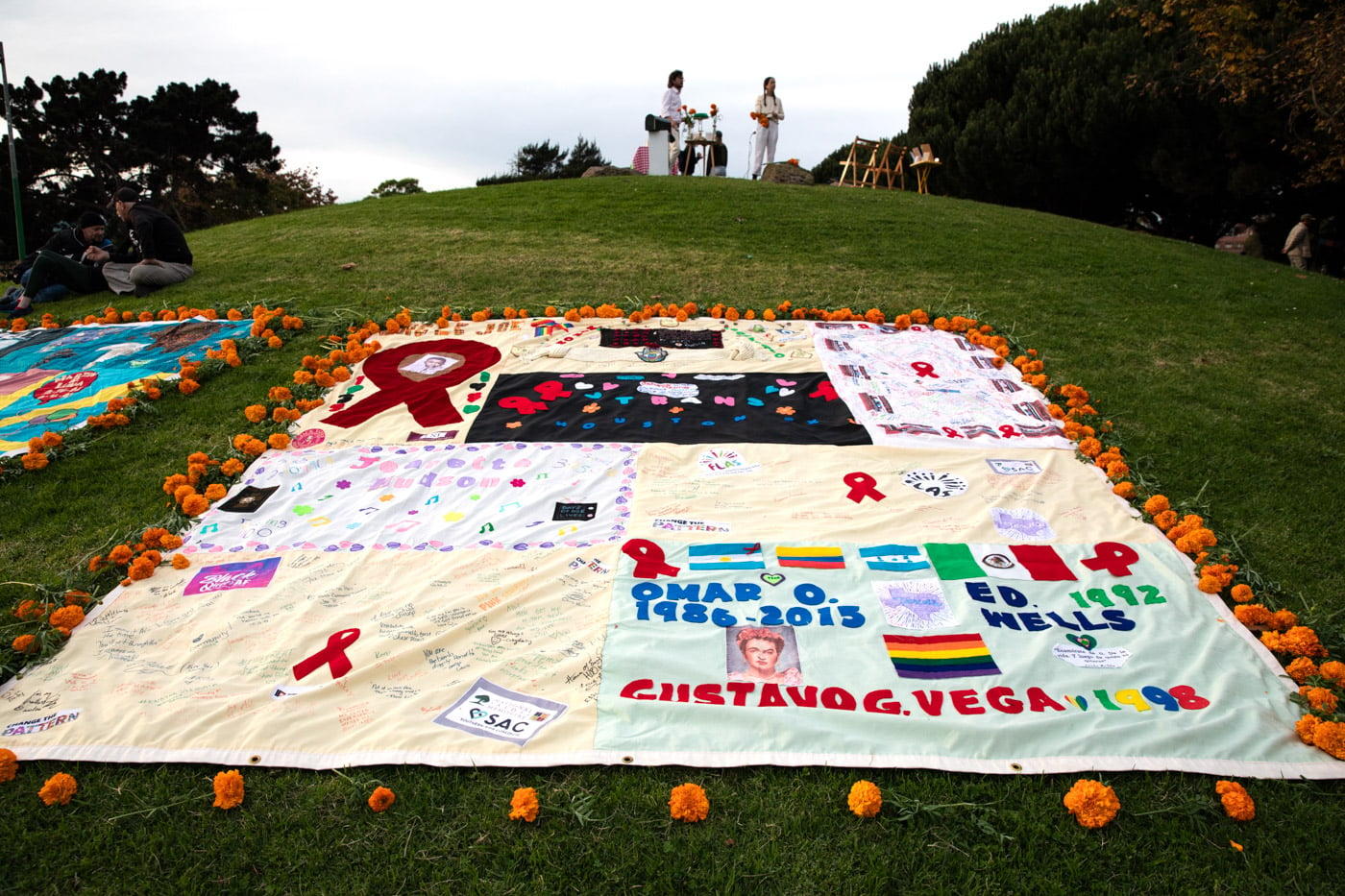
An altar is set up on the hillside honoring those lost to AIDS.
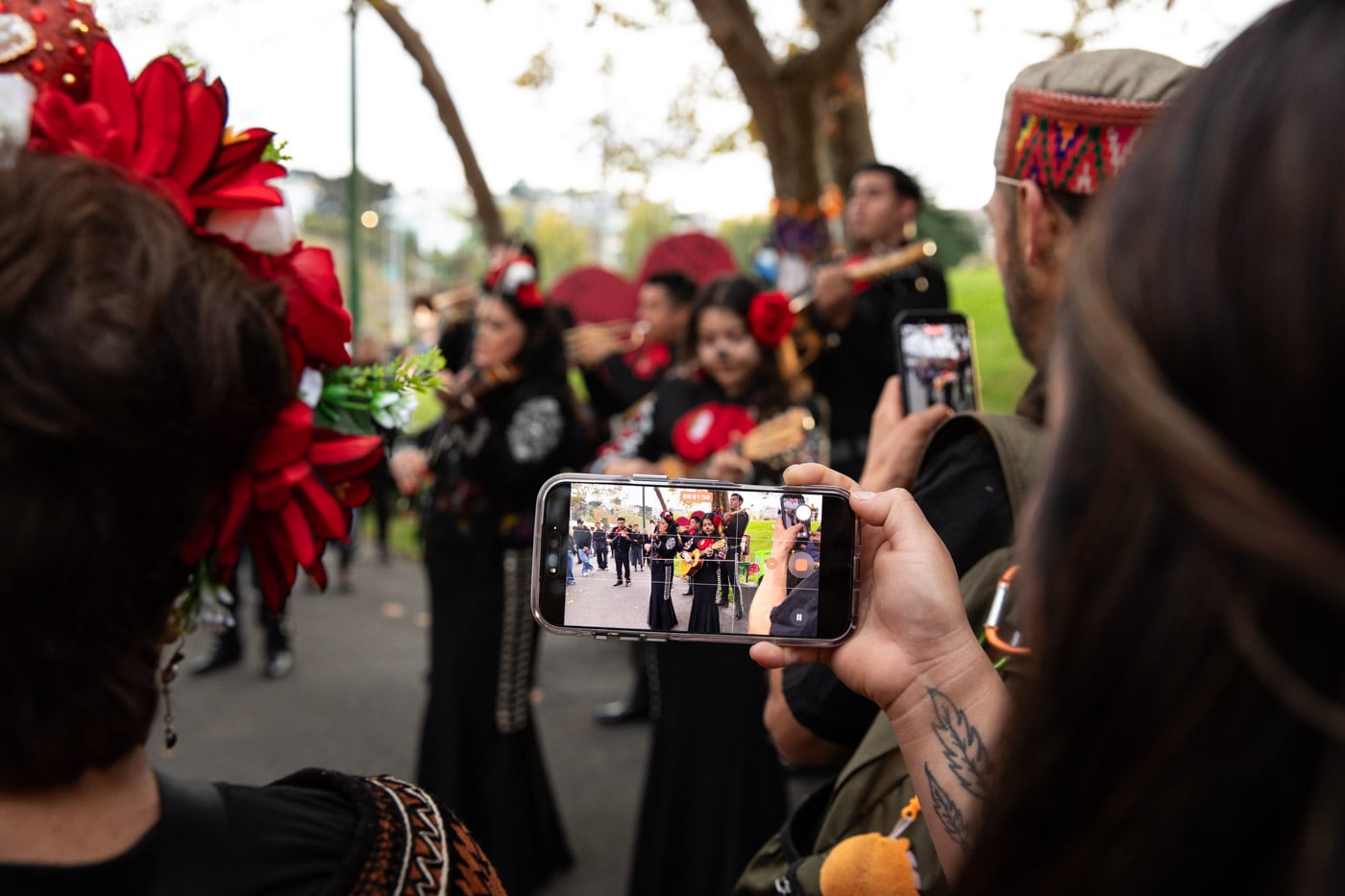
An attendee records Mariachi San Carlos perform in the park.
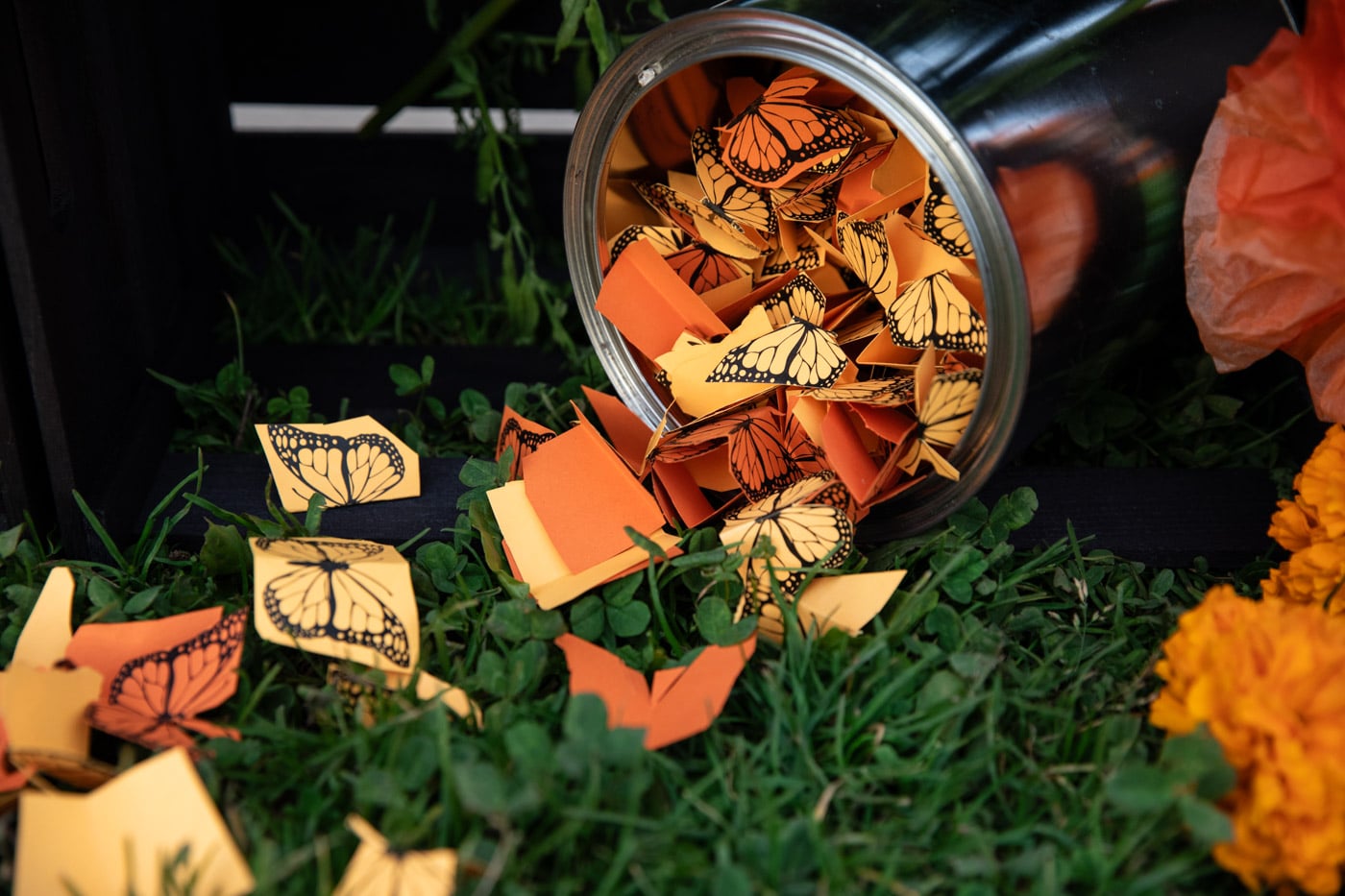
Paper butterflies spill out of a bucket at the Marigold Project community altar dedicated to the cardinal direction of East. The altar was hosted by The Mission Preparatory School and was “a celebration of remembrance [and] connection.”
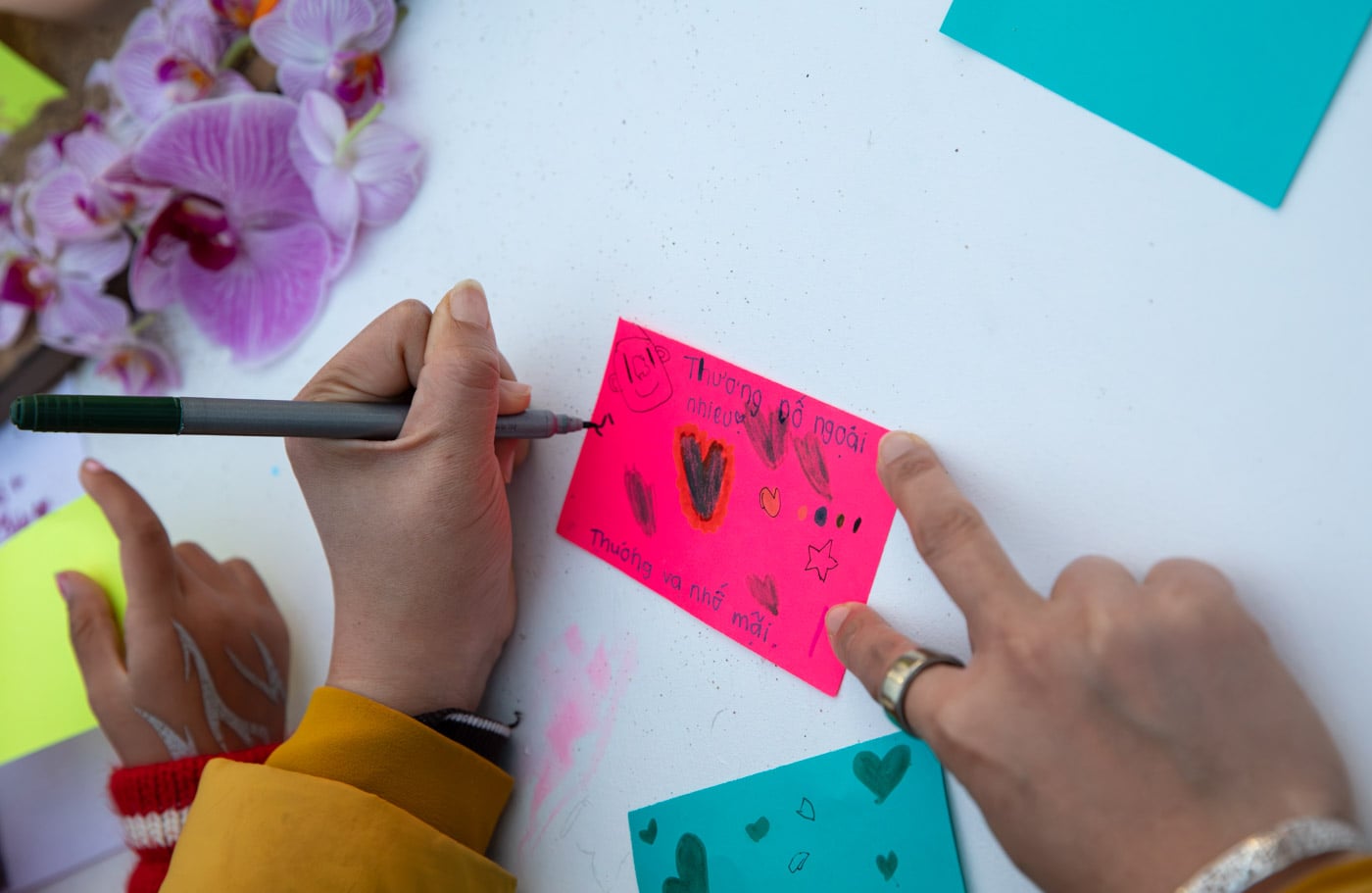
An attendee writes a note dedicated to a lost loved one.
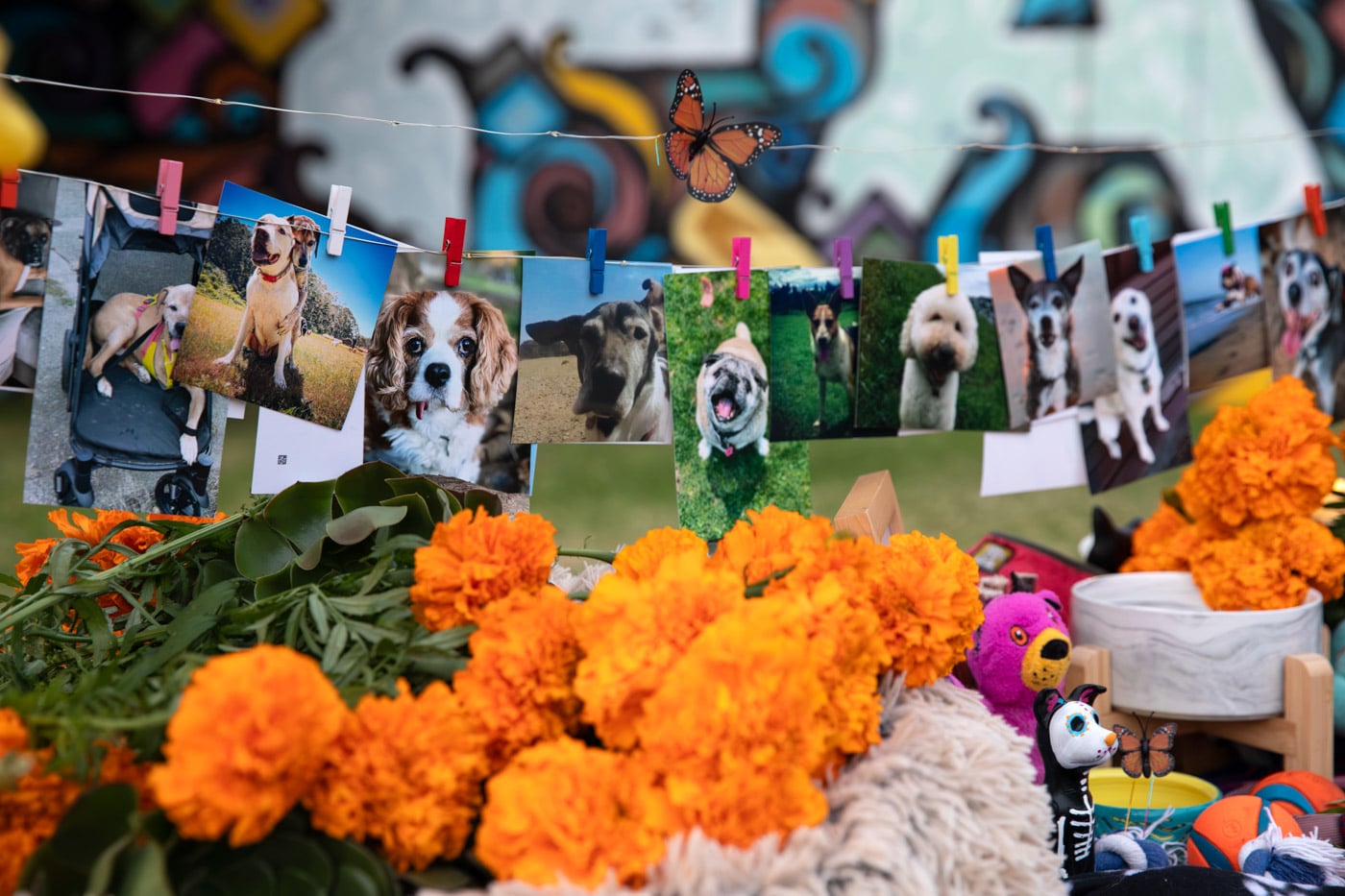
An altar dedicated to pets that had passed on.
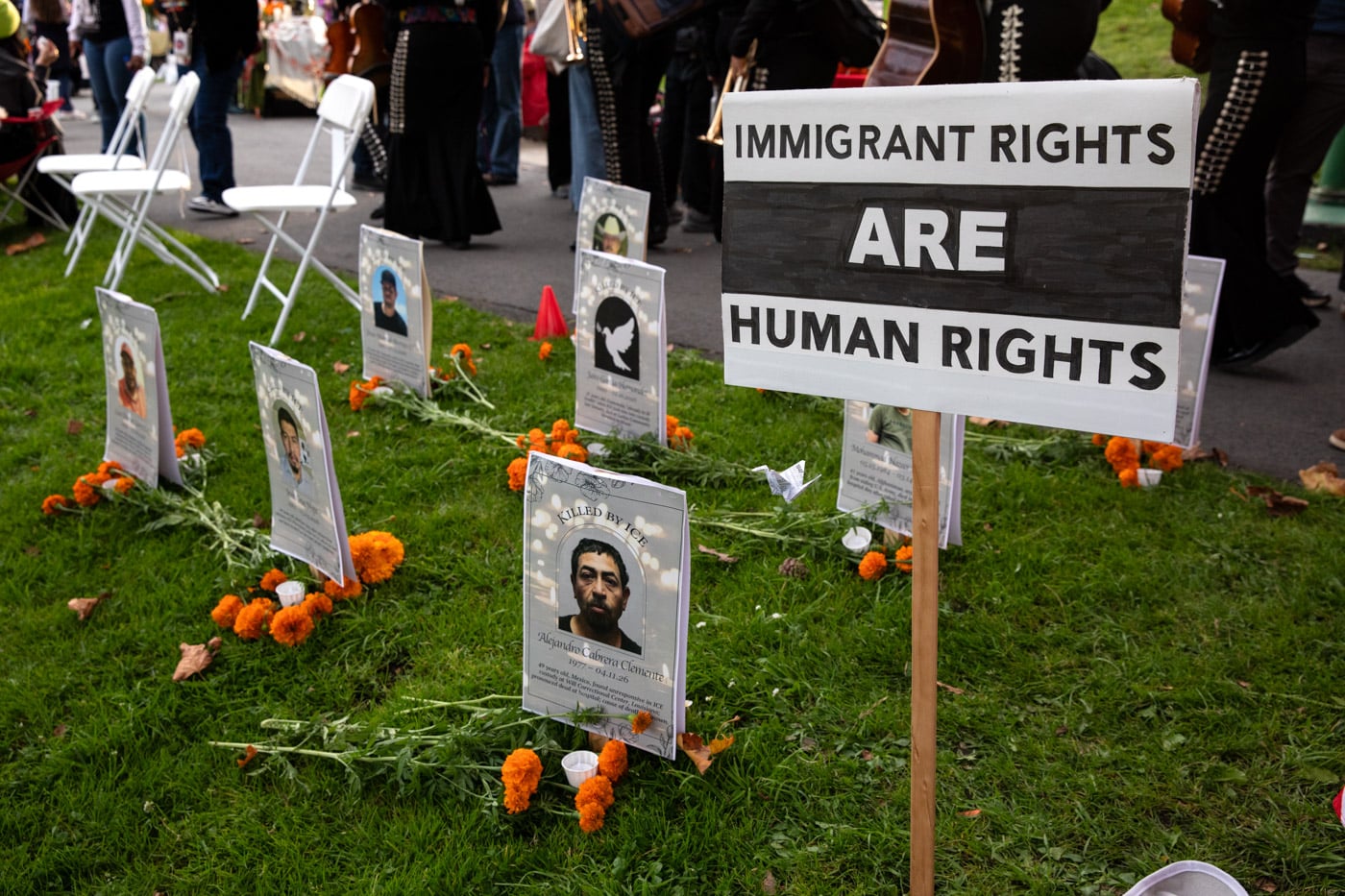
An altar honoring those killed by ICE is set up in Potrero del Sol Park.
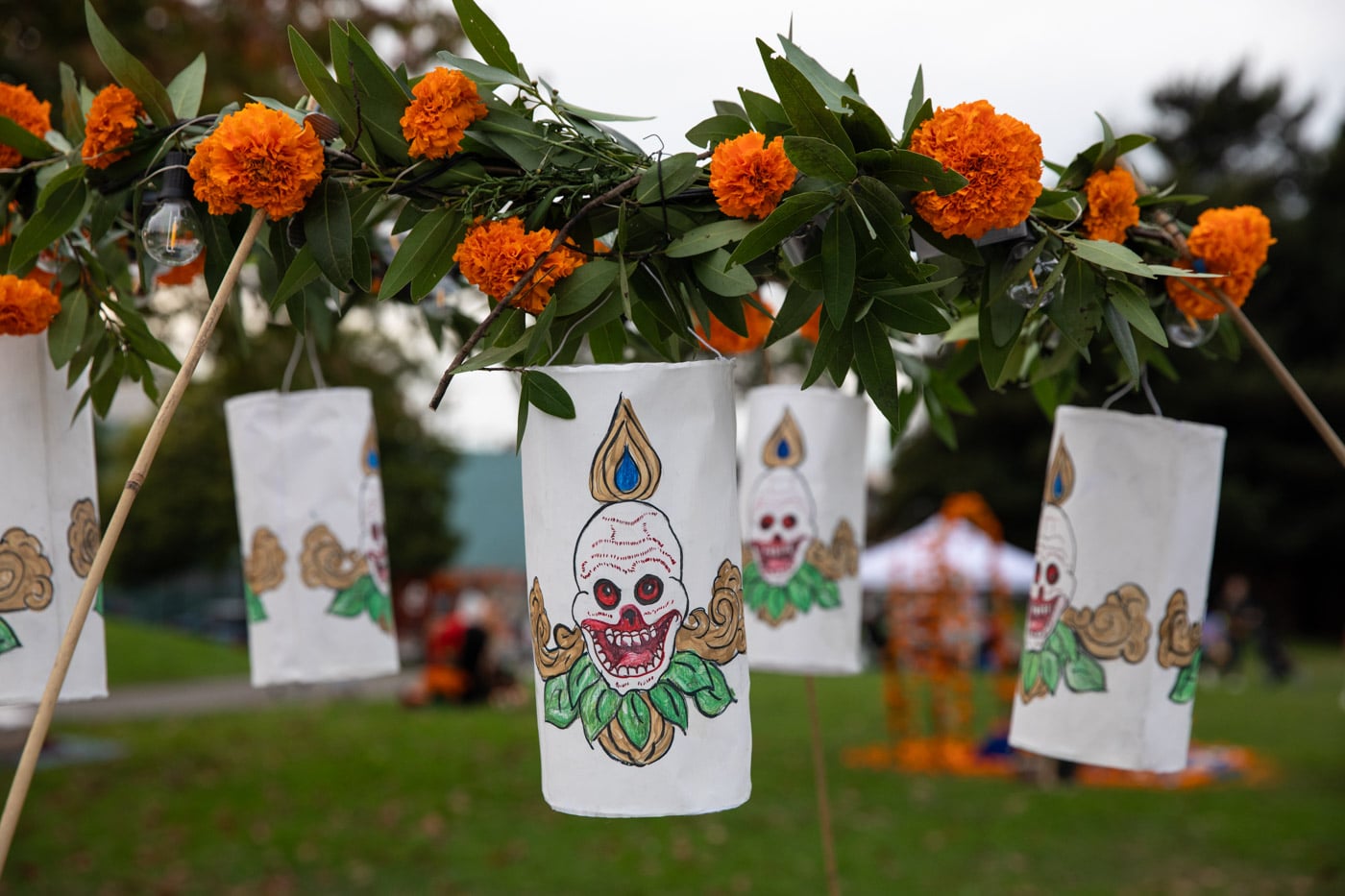
Hand drawn skeleton decorations hang at the SF Dharma Collective altar.
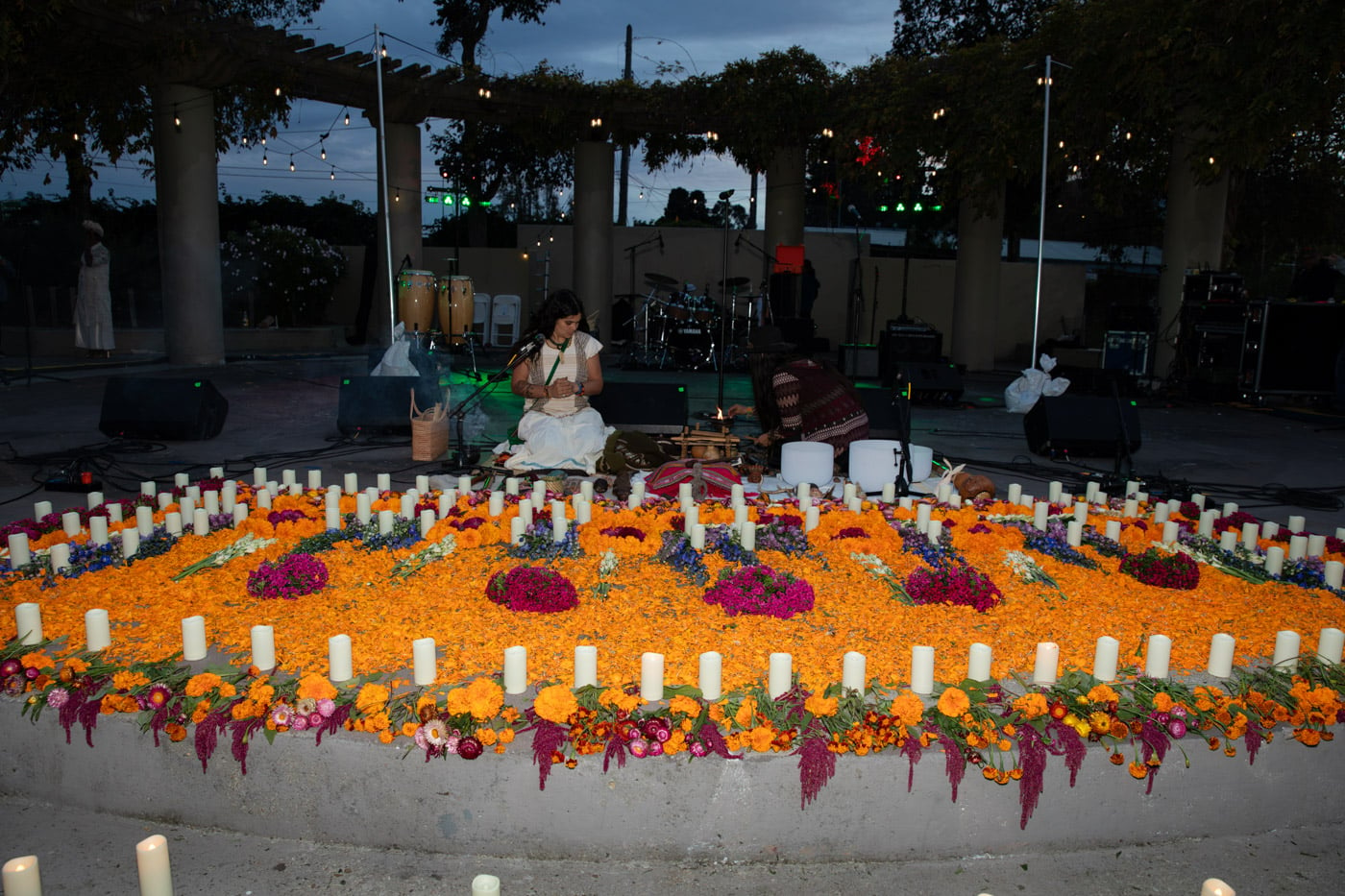
The stage at Potrero del Sol park decorated with marigolds, candles, and other flowers.
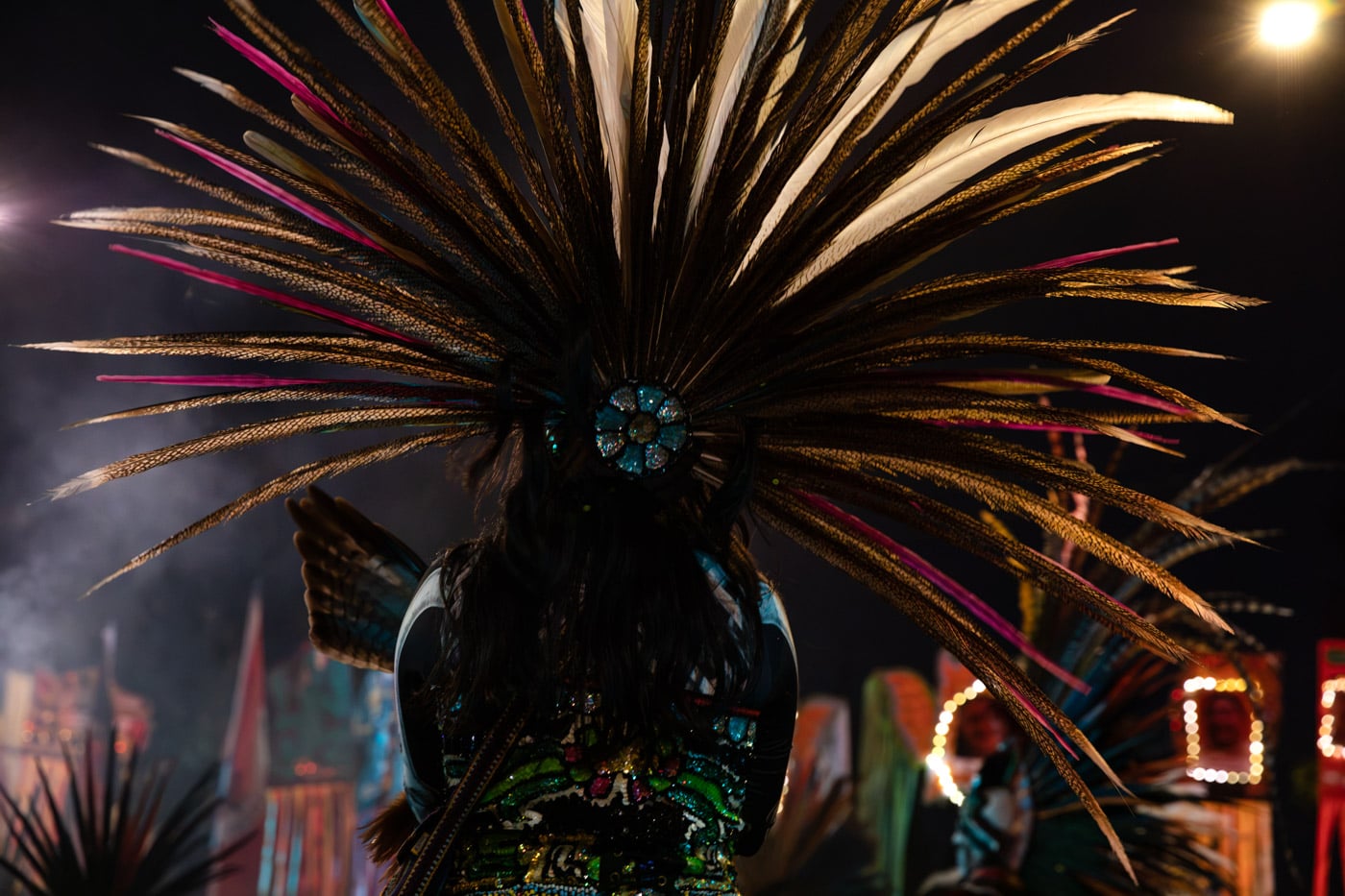
The feathered headdress of a Dazantes Aztecas Coyolxauhqui dancer.
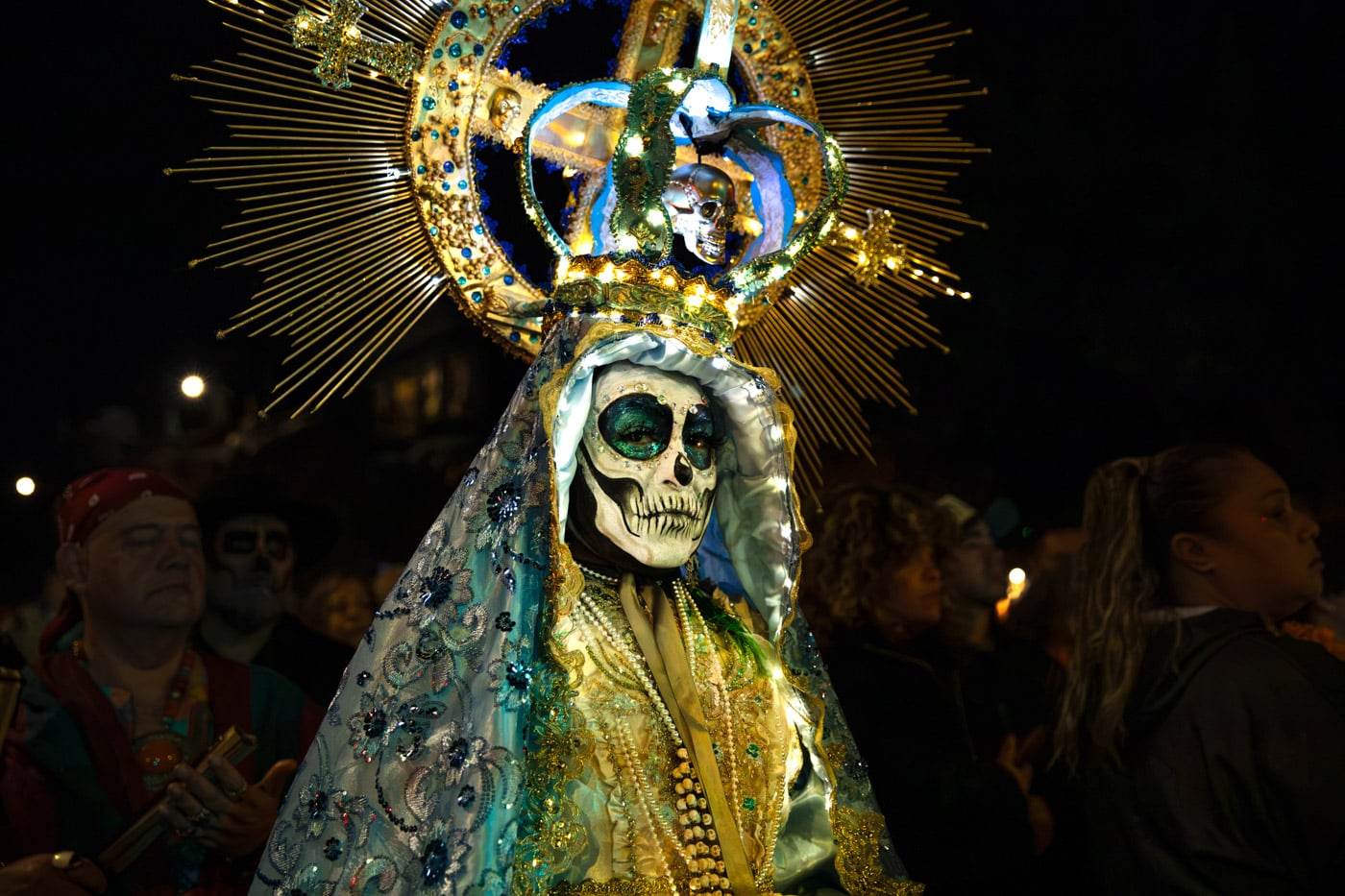
A Catrina, or female skeleton, takes part in the procession.
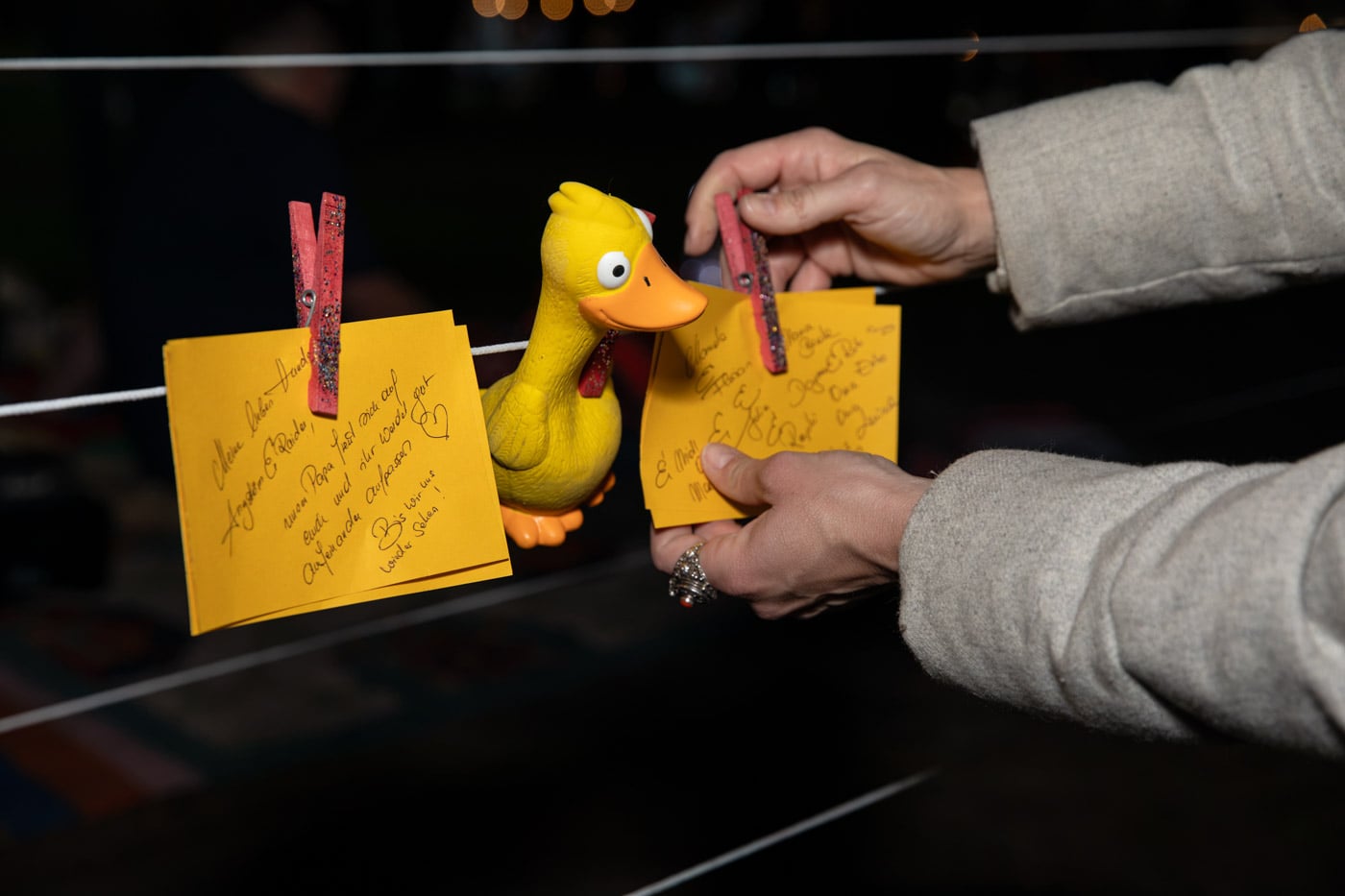
An attendee pins up a note and squeaky toy for her dog, who she just lost.
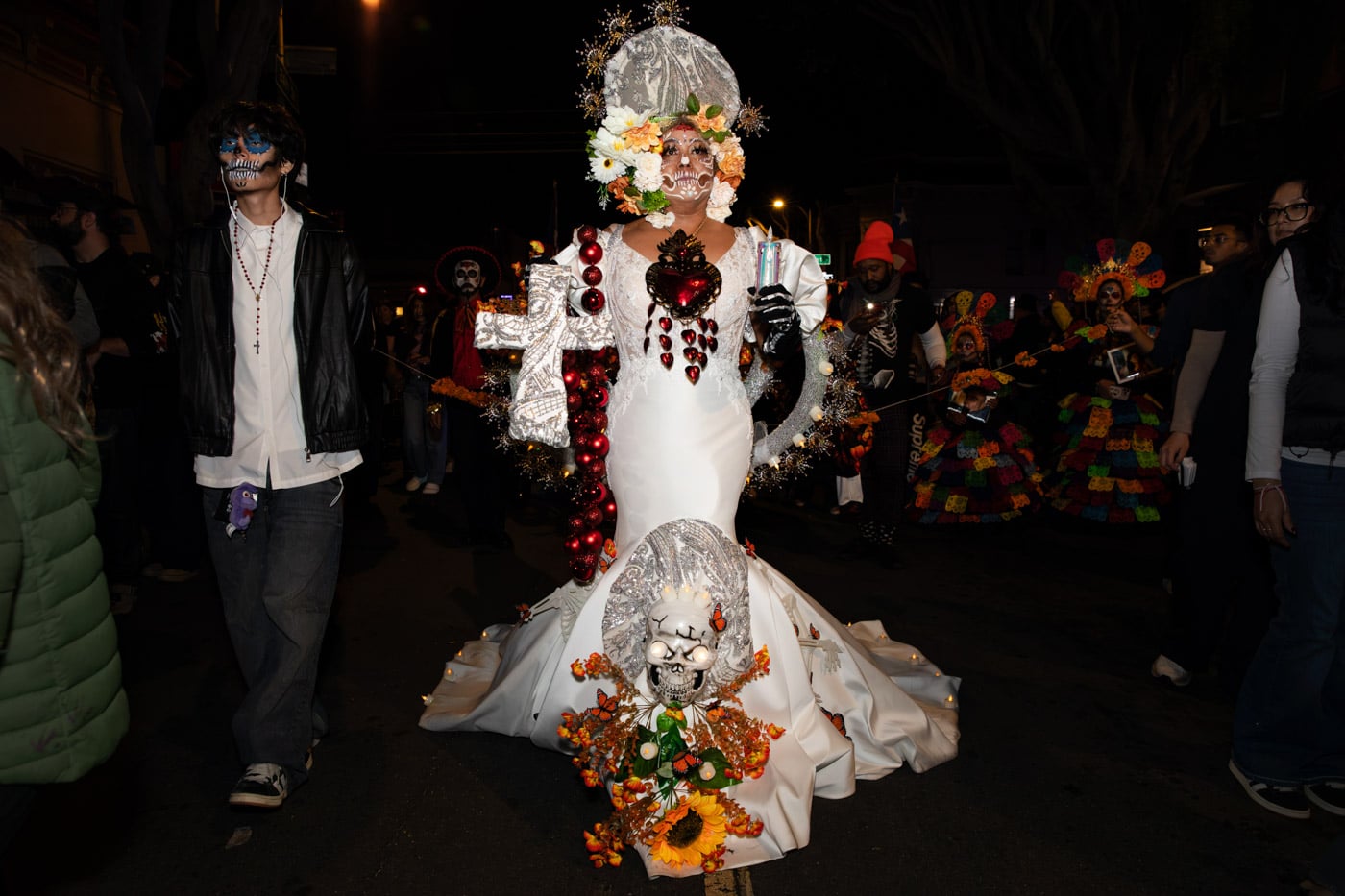
A Catrina makes her way along 24th Street during the procession.
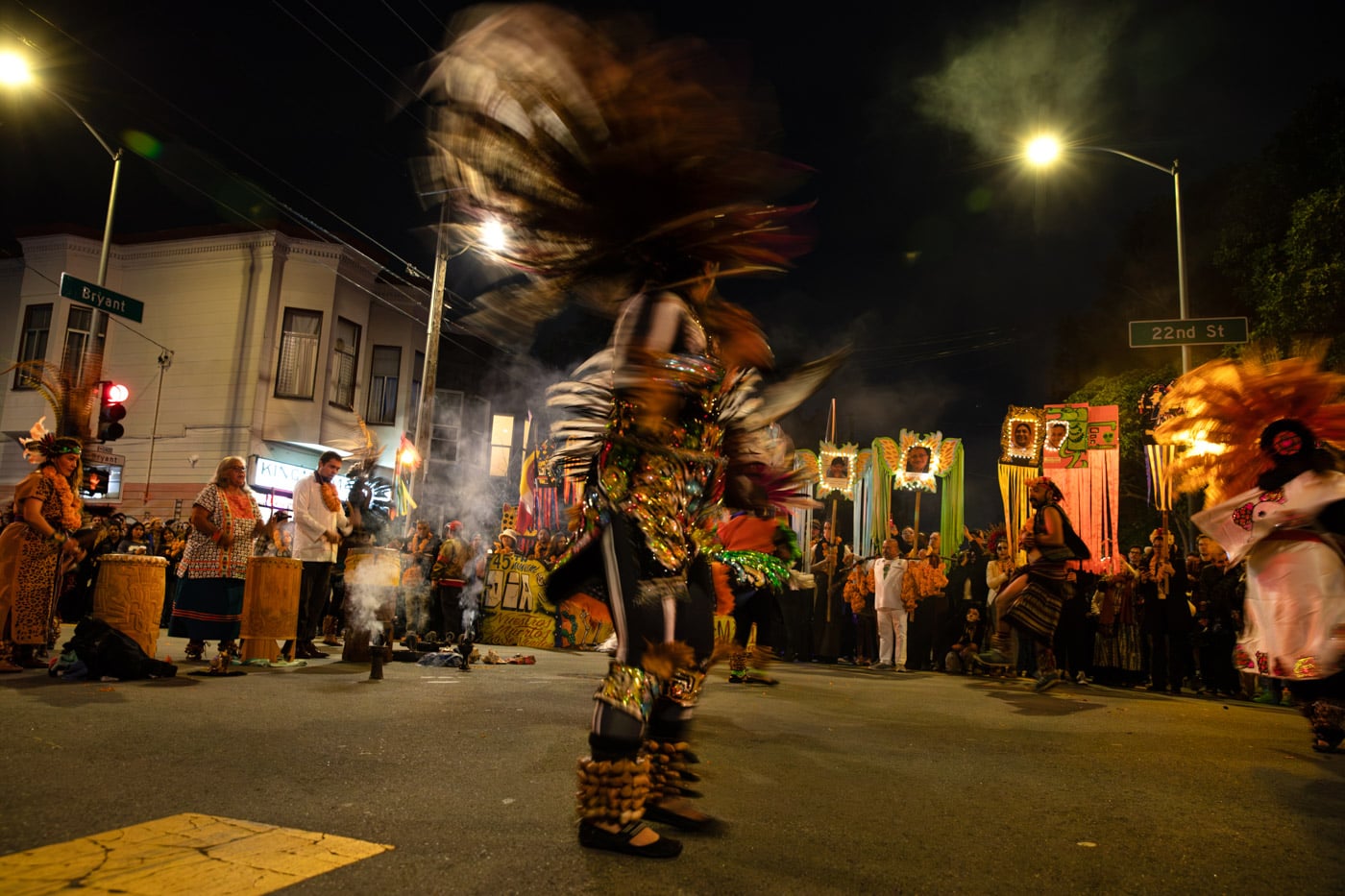
Dazantes Aztecas Coyolxauhqui dancers at the start of the procession.
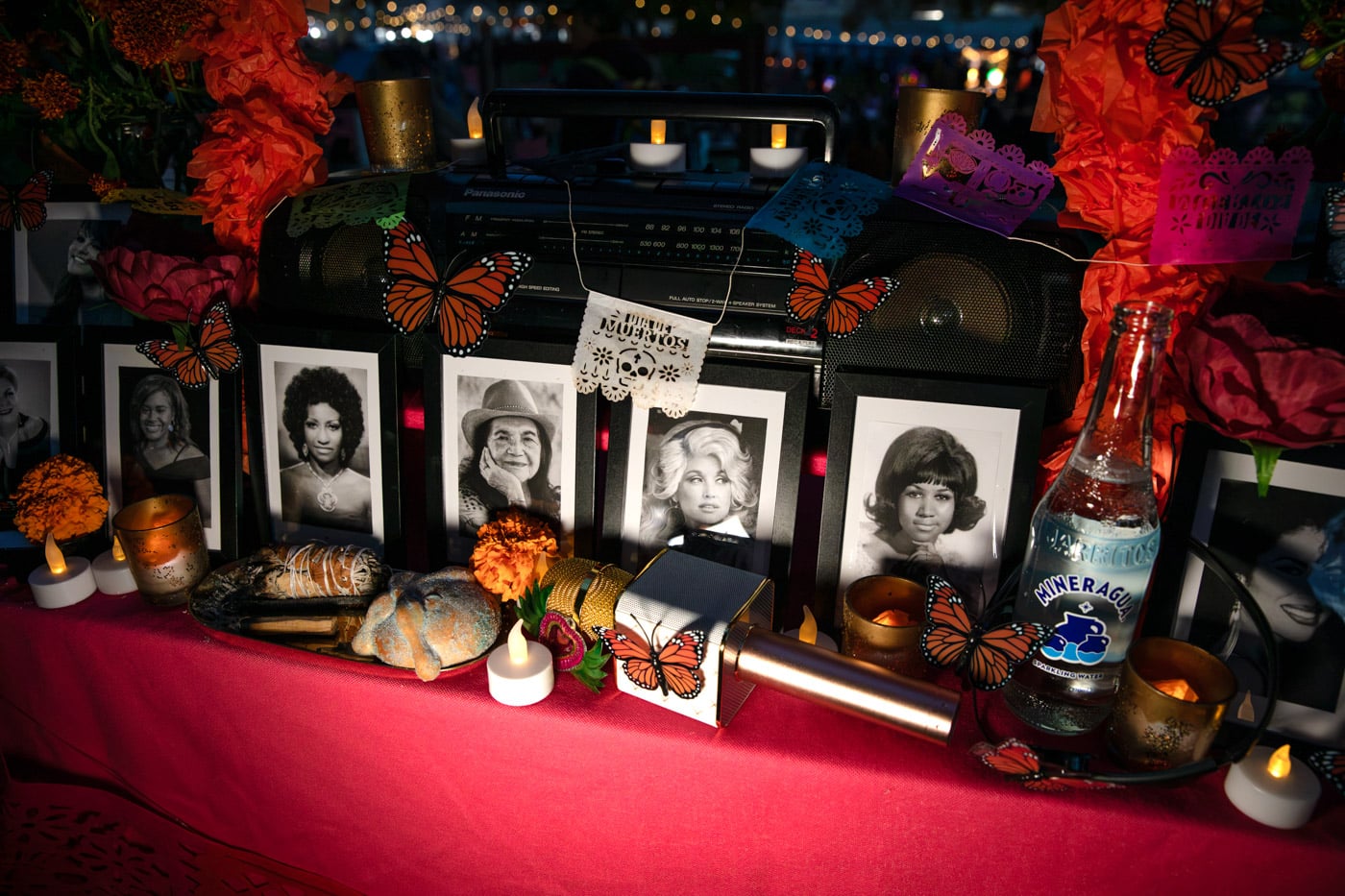
An altar dedicated to singers including Dolly Parton and Aretha Franklin.
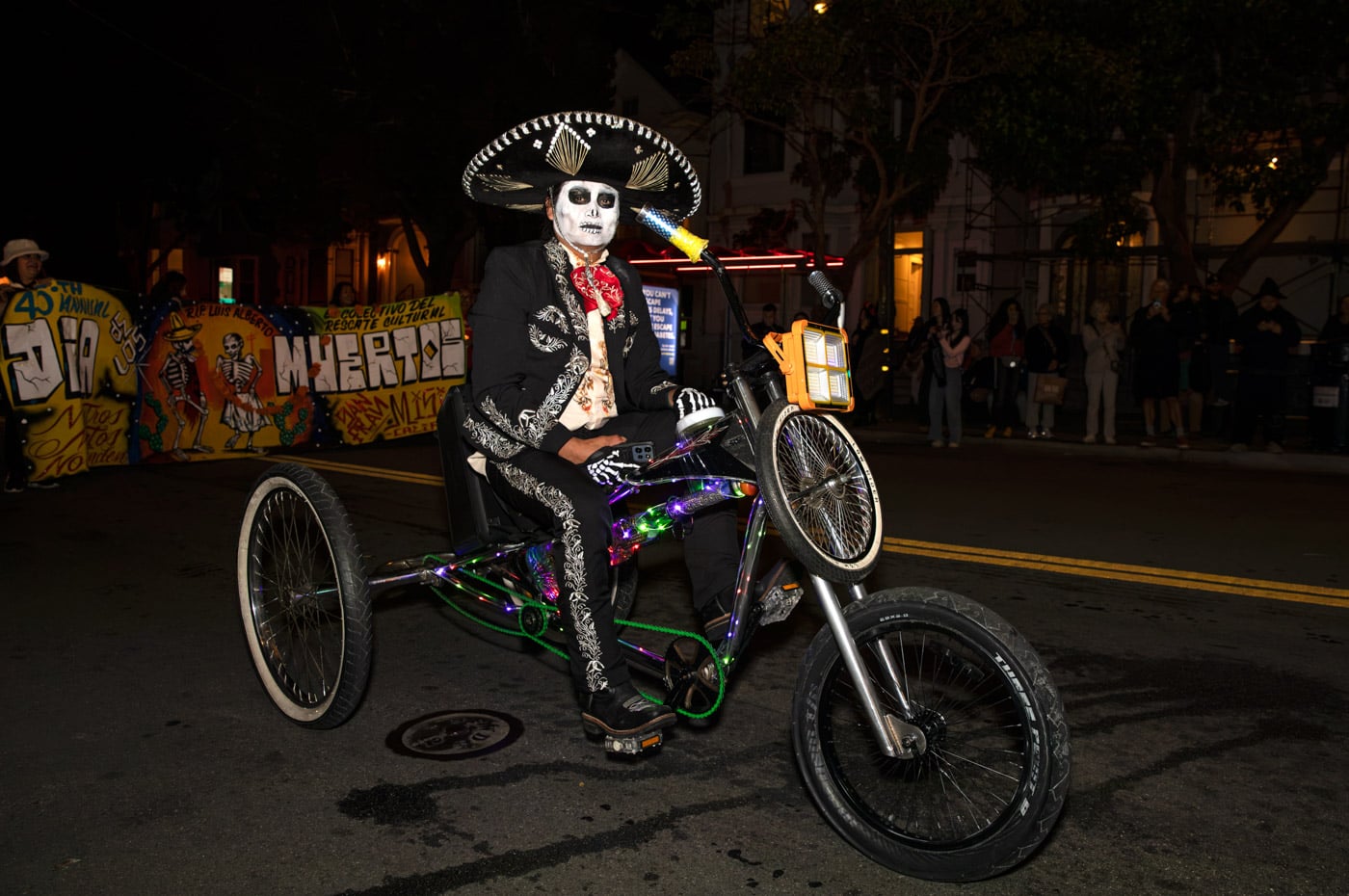
A Catrín, or male skeleton, on a lowrider bicycle is part of the procession.
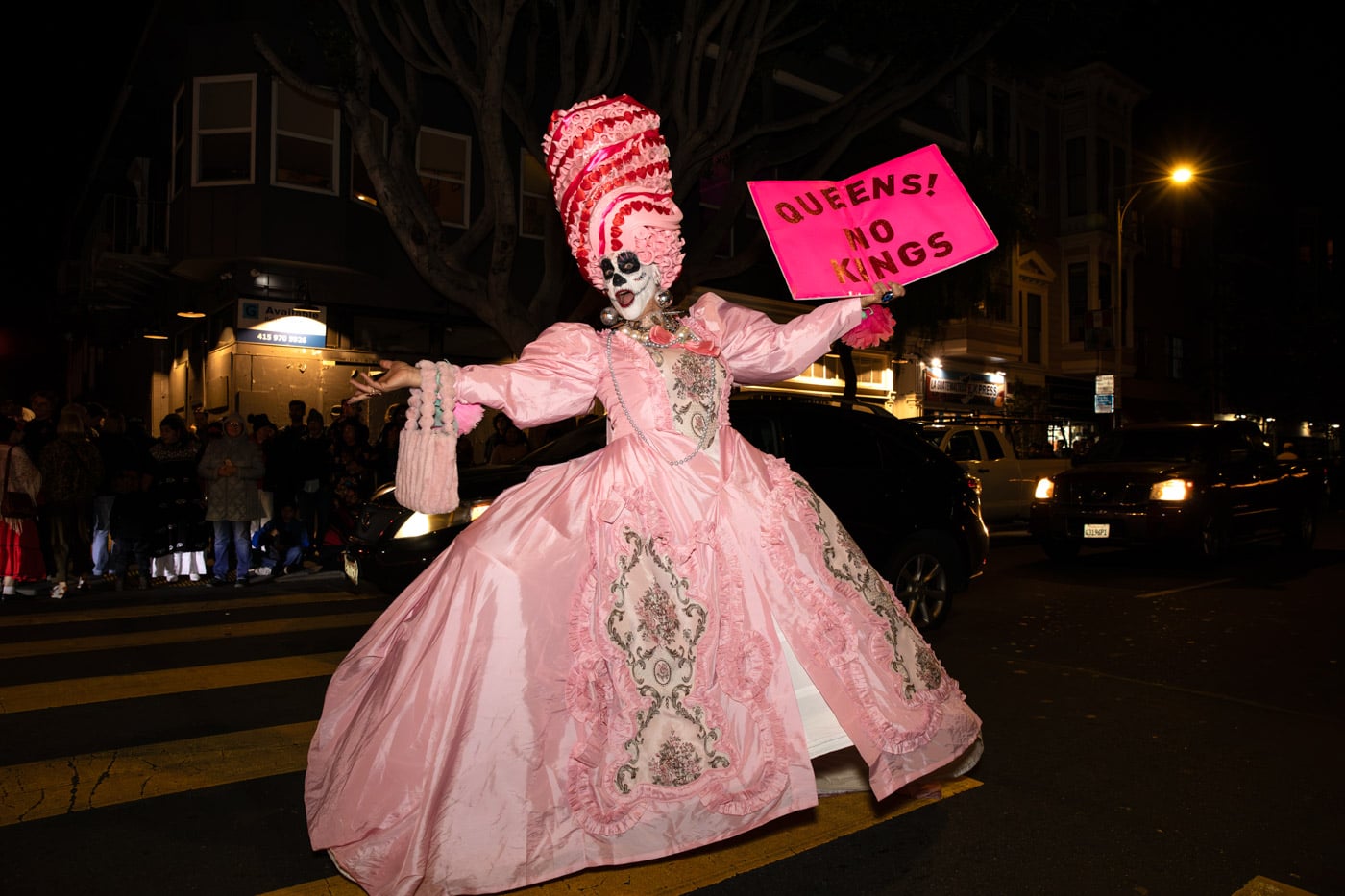
An attendee in costume on 24th Street during the procession.
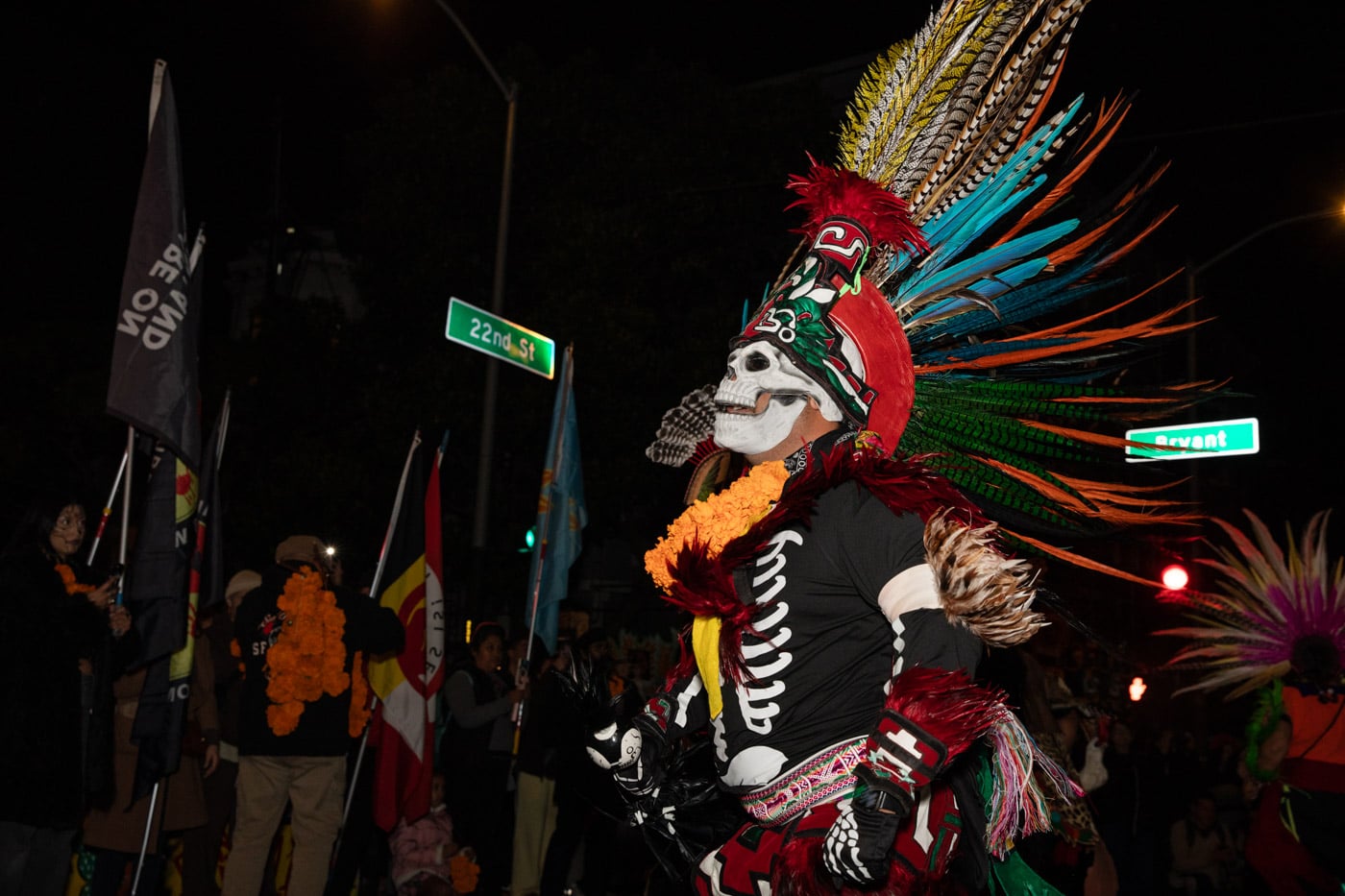
A dancer from Dazantes Aztecas Coyolxauhqui at the start of the procession.
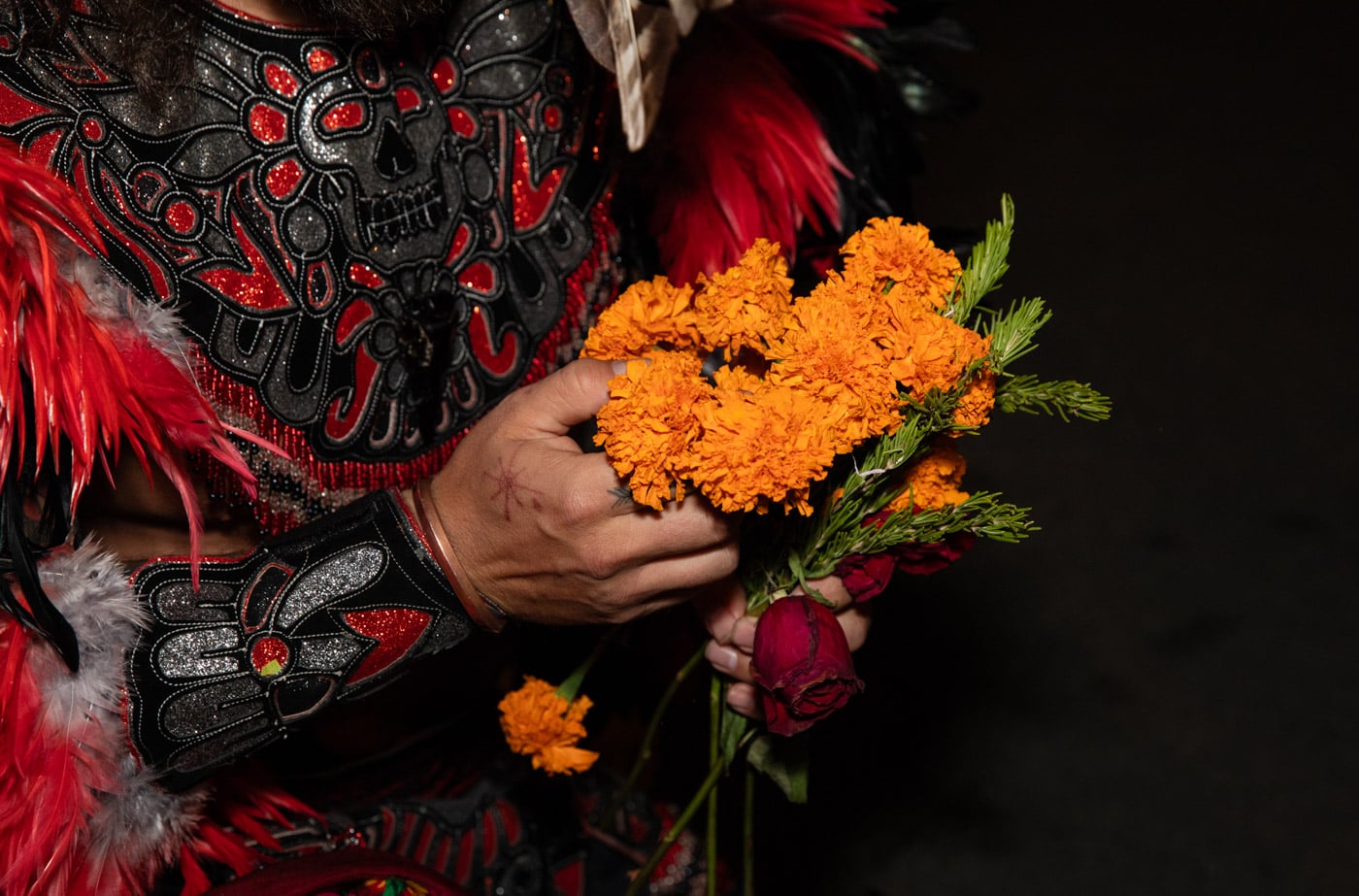
A dancer holds a bunch of marigolds, which are an important part of Day of the Dead celebrations.
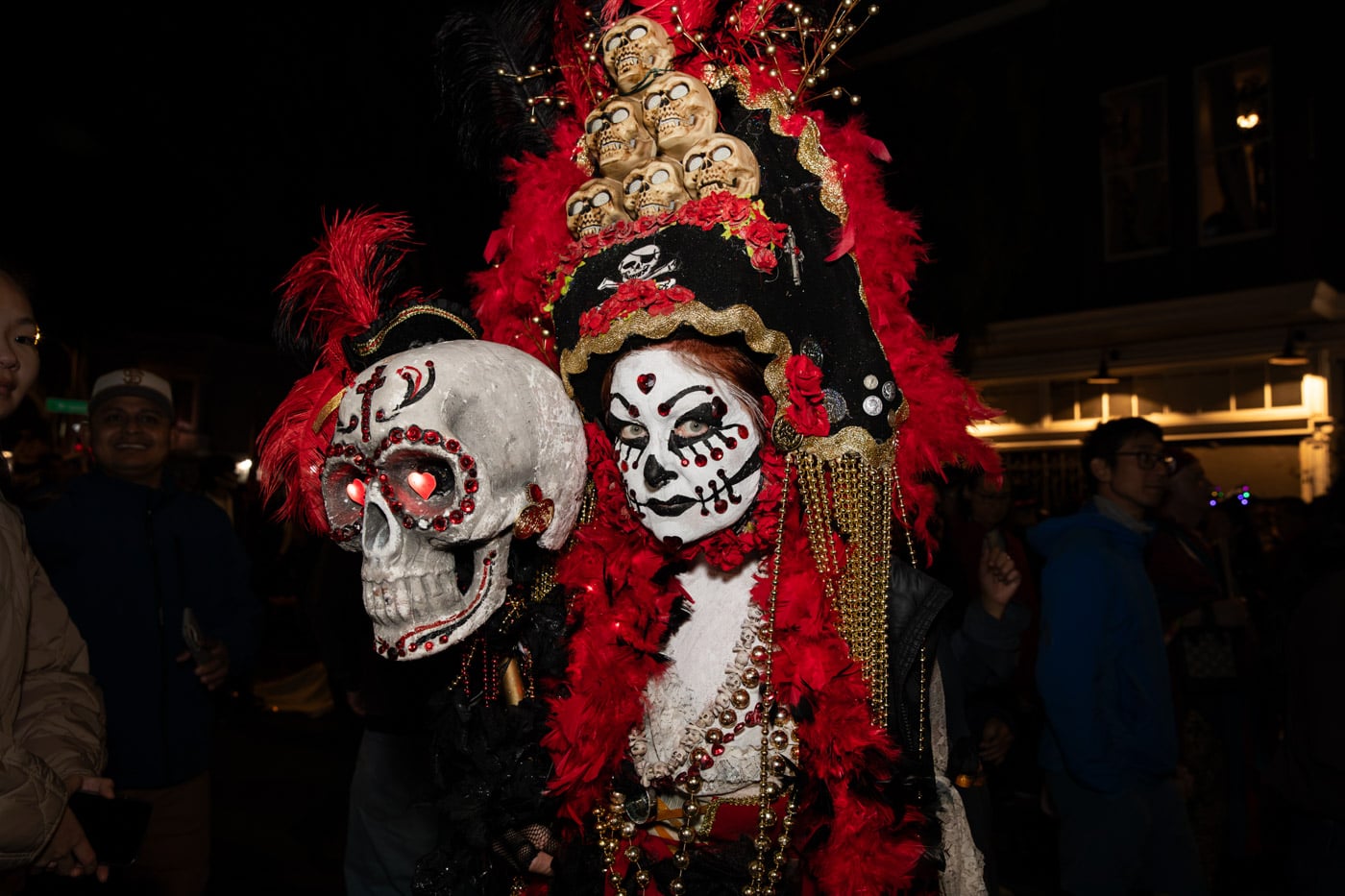
An attendee in a pirate themed Catrina outfit.
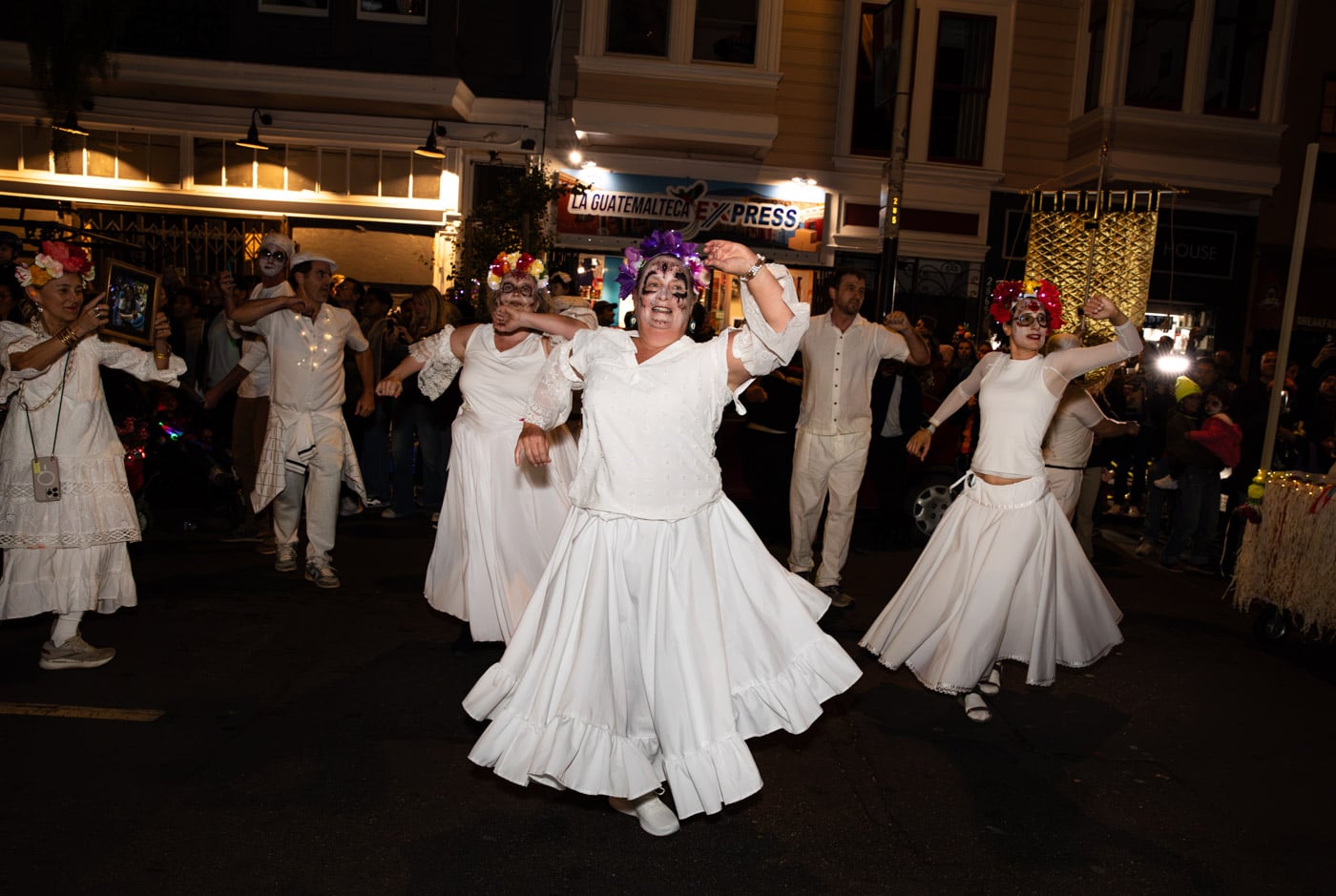
Maracatu Pacifico dance group on 24th Street.
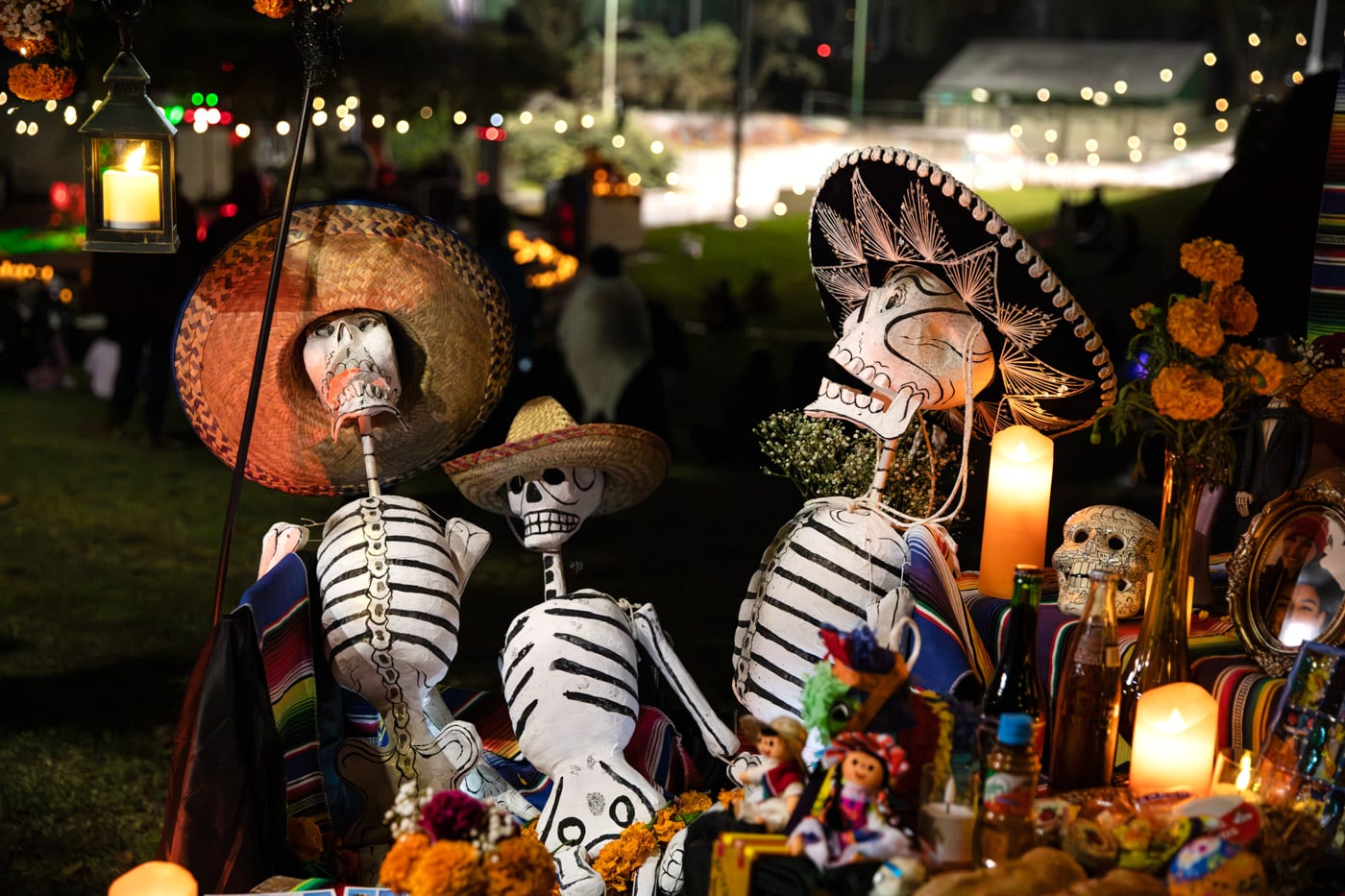
Calaveras, or skeletons, decorate an altar created by Live Oak School.