

























































Horse-drawn carriages once destined for a Woodside estate now share a building with vintage Fords in downtown Redwood City, after the San Mateo County History Museum threw open the doors on its long-awaited expansion on Nov. 7, 2026. The grand opening filled the new Taube Family Carriage House and Automobile Gallery with visitors eager to see century-old transportation side by side under one roof.
The museum's expansion carried a reported price tag of $25.5 million, according to Local News Matters, though The Almanac separately put the expansion's cost at $25 million in an August report tied to the project's eight years in development. Nearly 3,000 people turned out for the grand opening, Patch reported, as crowds moved through the museum's new three-story, 15,000-square-foot building, which houses galleries on two floors and event space on the third.
From Warehouse Storage to a Showcase Building
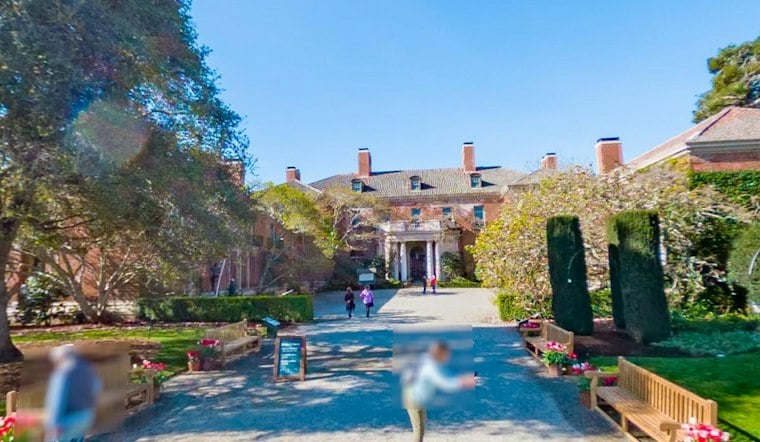
The carriages at the center of the new gallery have a long backstory. Museum President Mitch Postel said most of the carriages on display came from Filoli, the historic Woodside estate, according to the same Local News Matters report. Exactly how long those carriages sat in storage before reaching their new home is murky in the record: Local News Matters reported they had been stored in a warehouse since 1987, while The Almanac described the collection as emerging “after 50 years in storage” when carriages were craned into the new building in August.
Whatever the precise timeline, the move itself was a milestone for the historical association tracking the project. Carriages began moving into the new building in July 2026, according to the San Mateo County Historical Association, setting the stage for the November unveiling. The project had also shifted over time: a 2023 groundbreaking described it as a $13.5 million gallery expected to open in 2025, per the same Almanac coverage of the move.
Fords Fill the Ground Floor
Alongside the carriages, the gallery's automobile exhibit traces a century of Ford vehicles on the Peninsula, with nine vehicles on display ranging from a Model T to a Mustang, Thunderbird and a six-seater Woodie, according to the Local News Matters report. The arrangement gives visitors a direct line from horse-drawn transport to muscle cars under a single roof, a contrast noted by the San Francisco Chronicle in its coverage of the opening.
The expansion's naming reflects the project's biggest financial backers. The new building was named for Dianne Taube and her late husband Tad, an entrepreneur and philanthropist who died in 2025, Local News Matters reported. The Taube Family contributed the project's first $7 million donation, according to The Almanac's August report on the carriages' move into their new home.
Prehistoric Peninsula Gets Its Own Gallery
Beyond the carriages and cars, the expansion also added the 2,700-square-foot HERO Natural History Gallery, which Patch described as exploring the region's prehistoric landscapes and wildlife, including animals that lived here during the Ice Age. Among the gallery's centerpieces is a fossil model of Neoparadoxia, an animal that lived 15 million years ago and was unearthed in Menlo Park in 1964, per the same Local News Matters account of the opening.
The museum typically welcomes about 60,000 visitors annually, Patch noted, making the opening weekend's turnout a notable single-day spike for the Redwood City institution. Earlier planning documents show how much the project evolved before reaching that point: a 2021 proposal described a three-story, 14,000-square-foot Carriage House at the corner of Marshall Street and Middlefield Road, with the fundraising campaign at the time having raised more than 78% of an $11.5 million target entirely through private pledges and donations, according to The Almanac.
A county planning document had earlier estimated the project would generate fewer than 150 vehicle trips on a typical non-event day, supporting a presumption of less-than-significant traffic impact under Redwood City guidelines, according to San Mateo County's own filing on the addition. For a museum built around the history of getting from one place to another, the figures mark just how much ground — and how many years — the project covered before its doors finally opened to the public this month.




