

























































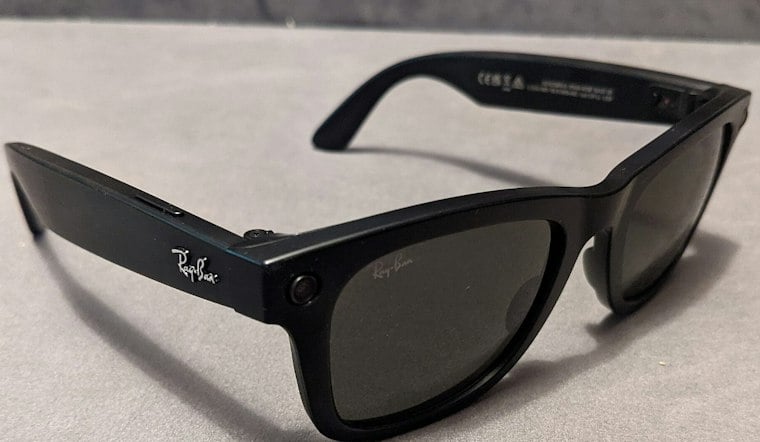
Smart glasses are now off-limits during testing in Rutherford County classrooms, after the local school board moved to ban the wearable devices over fears students could use them to cheat. The decision adds Tennessee's Rutherford County to a fast-growing list of school systems nationwide tightening rules around internet-connected eyewear as the technology becomes harder to spot and easier to misuse.
According to WKRN News 2, the Rutherford County Board of Education banned smart glasses during testing, with school board members saying they worry the devices will make cheating easier for students. The station's report does not detail when the ban takes effect, which testing sessions or locations it covers, or whether any exceptions exist for students with disabilities or medical needs.
Nearby, Germantown Municipal School District has already spelled out similar restrictions for families, warning that during any state assessment, students may not wear or access any smart devices, and that devices present during testing may result in an invalidated test under Tennessee guidelines, per the Germantown Municipal School District. That district also notes that medically necessary devices, such as glucose monitors, are permitted when documented through an IEP, 504 Plan, ILP, or healthcare plan.
A National Pattern Takes Shape
Rutherford County is far from alone in confronting the issue. Smart-glasses bans have been adopted more on a district-by-district basis across the country, including in school systems in Florida and Massachusetts, according to Gizmodo. The same report notes that the College Board banned smart glasses for anyone taking the SAT, citing their unique ability to help people cheat.
Cambridge Public Schools took a similarly firm stance, prohibiting students from carrying smart glasses and similar wearable technology anywhere on school property, as reported by The Harvard Crimson. That policy does carve out room for accommodation: it includes an exception for students who need wearable technology for a disability or medical reason, provided they obtain written permission from the superintendent, per the same outlet.
In Nevada, the Carson City School District moved even earlier, prohibiting smart glasses and other wearable electronic communication devices on school campuses and during school-sponsored activities starting Aug. 18, according to the Nevada Appeal. That district said students who require assistive technology documented through an IEP, Section 504 Plan, or a documented medical need would continue to receive appropriate accommodations despite the ban.
Why Schools Say The Glasses Are Harder To Catch
The core worry driving these policies isn't unique to Tennessee. Jon Fila, founder of Inclusive AI Strategies, told KSTP that smart glasses can be harder for schools to monitor than cell phones, since they can look like ordinary eyewear while quietly recording or feeding information to a wearer. Fila identified cheating, photographing a test, or asking AI for answers as the main concerns tied to the devices, per the same report.
At the same time, Fila noted the glasses can provide captions for people who are hearing-impaired or audio descriptions for low-vision users, underscoring why many districts, including Cambridge and Carson City, have built medical and disability exceptions into their rules. The tension between locking down test security and preserving accessibility is shaping up as a central challenge as more schools write their own smart-glasses policies.
The trend isn't confined to the U.S. Officials in Victoria announced a statewide ban on smart glasses in schools and camps that would go into effect starting in 2027, Gizmodo reported, suggesting the debate over wearable tech in classrooms is only intensifying as the devices become more common and more capable.



