

























































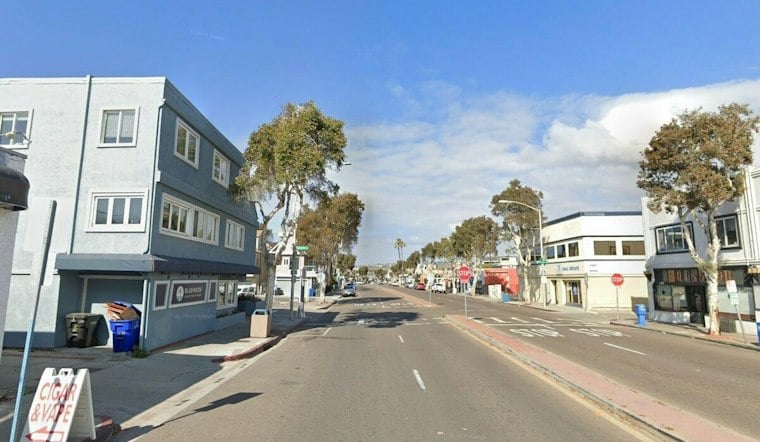
A sweeping proposal to expand bike lanes across San Diego is headed for a City Council vote early next year, and it is already shaping up to be a fight. The draft Bicycle Master Plan would dramatically expand separated bikeways, but it was drafted without consulting San Diego's four dozen neighborhood planning groups, setting the stage for conflict even before a single lane gets painted.
According to The San Diego Union-Tribune, the plan would expand the city's bike network and separated bikeways. The 235-page draft is meant to boost cycling for commutes and short errands, and its proposed separated lanes would run along corridors including Pomerado Road, Scripps Ranch Boulevard and Mission Boulevard, the newspaper reports.
The plan has drawn both support from cycling advocates and environmentalists and pointed criticism from neighborhood leaders.
Neighborhood Groups Say They Were Left Out
The central complaint from critics is process, not just pavement. City officials did not seek input from San Diego's neighborhood planning groups during the two years the plan was being developed, according to the Union-Tribune.
Henry Foster, who represents District 4 in southeastern San Diego, voted against advancing the proposal when the Active Transportation & Infrastructure Committee sent the draft plan to the full council without a recommendation on November 19.
Advocates Push Back on the Numbers and the Delays
Councilmember Kent Lee said the new lanes will make San Diego safer, the paper reports.
Not everyone thinks the plan goes far enough, fast enough. Ian Hembree, who leads the San Diego County Bicycle Coalition, criticized giving parking concerns equal weight to safety concerns, according to the Union-Tribune. Aria Grossman, policy manager for Circulate San Diego, criticized the plan's implementation timelines as inadequate, and the newspaper notes the plan delays some lane construction until roadways are already due for repaving or other unrelated work.
Why the City Wants More Bikes on the Road
The draft plan is intended to make cycling more practical for commutes and short errands.
The draft plan breaks its proposed mileage into bikeway classes: Class 1 lanes, fully separated from car traffic by a median or substantial barrier, would add 120 miles; Class 2 lanes, marked only by painted lines, would add 270 miles; and Class 4 lanes, separated by flexible posts and sometimes parked cars, would add 640 miles, according to the Union-Tribune. No new Class 3 lanes — shared roadways that often rely on sharrows — are proposed, though some existing Class 3 lanes would be converted to other bikeway classes, the paper reports.
Six conceptual projects are named in the plan, running along Euclid Avenue between State Route 94 and Imperial Avenue, Hollister Street between Main Street and Outer Road, Adams Avenue between Park Boulevard and Interstate 805, Sampson Street between East Harbor Drive and South 28th Street, Mission Boulevard between Loring Street and Pacific Beach Drive, and Ted Williams Parkway between Sabre Springs Parkway and the Poway boundary, per the Union-Tribune.
Momentum — and Money Problems — Across the Region
San Diego has been here before in some ways. The city's original Bicycle Master Plan was adopted in 2013.
Funding remains a persistent obstacle regionally. SANDAG currently dedicates just 2% of Transnet revenue to bicycle, pedestrian and neighborhood safety projects, though local officials have proposed raising that share to 3% or 4%, according to KPBS. The regional transportation agency recently returned more than $17 million in state grant funding for those same project categories because it could not meet grant deadlines amid delays and rising construction costs, KPBS reported. A 2010 SANDAG regional bicycle plan is also part of the region's transportation planning history, according to a SANDAG planning document.
Corridor-level frustration has surfaced elsewhere too. In a letter sent in June, six Adams Avenue businesses and corridor stakeholders called on the city to develop a more comprehensive vision for bicycle and pedestrian safety there, according to Streetsblog San Diego. The city says its overall vision is to improve and grow a safe, connected and convenient network for people of all ages and abilities who ride bikes and scooters, according to the city's Bicycle Master Plan project page, which notes the update is meant to align with the Mobility Master Plan, Strategic Plan, General Plan and Climate Action Plan.
What Happens Next
Public comment on the draft plan runs through Monday, November 30, per the city's project page, which also reports that nearly 2,000 comments were submitted on the draft future bicycle network during its most recent survey. The City Council is expected to take up the plan early next year, according to the Union-Tribune, giving neighborhood groups, advocates and skeptical council members a few more weeks to make their case before the mileage — and the debate over it — starts to take shape on San Diego's streets.





