

























































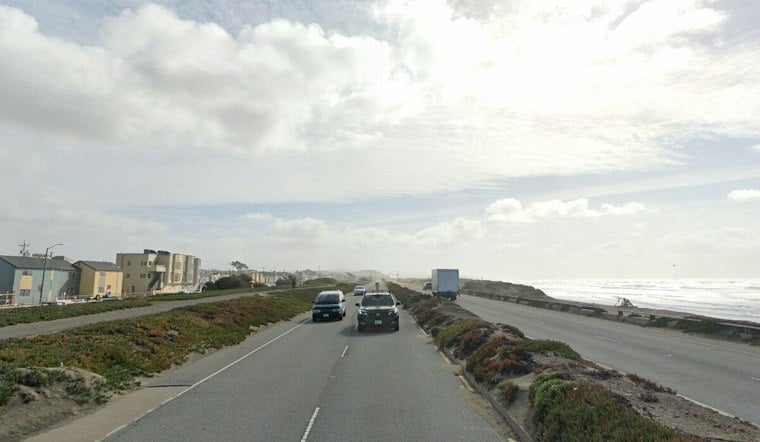
San Francisco voters have once again said no to bringing cars back to the old Great Highway, defeating Proposition G and keeping Sunset Dunes open as a car-free park along the Pacific. The measure would have reopened the roadway to private vehicles on weekdays while closing the park to pedestrians on weekends and holidays, according to KQED.
The San Francisco Standard reported Proposition G failing decisively, with 65.7% of voters against it and 34.3% in favor. As The San Francisco Standard put it, “voters gave a definitive thumbs-down to Proposition G.” The newspaper's reporting underpins much of what's known about the measure's scope and fallout, and the paper noted that the vote leaves Sunset Dunes open and the Great Highway closed to cars on weekdays for now, though proponents may pursue legal challenges or additional ballot measures.
What Proposition G Would Have Changed
Proposition G asked voters whether to reopen the Great Highway to private vehicles on weekdays and close Sunset Dunes Park on weekends and holidays, per KQED's results summary. A weekday vehicle access proposal like this one would have restored the pandemic-era arrangement that predated the park, when the roadway allowed cars on weekdays and converted to a car-free zone on weekends, according to KQED. The proposed ordinance would also have required the city to remove art sculptures, a skate park and other amenities installed at Sunset Dunes to make way for returning traffic, KQED reported.
The Great Highway had long been part of many west side residents' daily commutes before it closed, and that closure stirred ongoing concerns about congestion spilling onto nearby avenues, per KQED's reporting. The station's results page also noted that the Lower Great Highway remains closed separately because of coastal erosion, and that the roadway corridor must adapt to climate change going forward.
A Preliminary Count, With Certification Weeks Away
The results reported Tuesday were not final. The Standard's live results tracker stated plainly that “the results below are preliminary” and that the San Francisco Department of Elections would not issue certified results until Dec. 3. That caveat applies to the broader 2026 election, including Proposition G's tally.
This wasn't San Francisco's first rodeo with this stretch of coastline. Proposition G marked the third ballot measure related to cars on the Great Highway in six years, the same Standard report noted. Voters citywide approved a 2024 measure, Proposition K, that permanently removed cars from a two-mile stretch of the roadway and created Sunset Dunes as a beachside park, according to KQED. Before that, in November 2022, two-thirds of San Francisco voters rejected Proposition I, which had called for full-time private vehicle use of the Great Highway, according to SPUR.
Who Lined Up on Each Side
Supporters of Proposition G included Supervisor Alan Wong, retired SFPD commander Richard Corriea, Quentin Kopp — president of the San Francisco Taxpayers Association — and the Chinese American Democratic Club, according to KQED's results page. Opponents included California state senator Scott Wiener, Sean Elsbernd, president and CEO of SPUR, Lucas Lux, president of Friends of Sunset Dunes, the Sierra Club's San Francisco Bay Chapter, and a group identified as Sunset Parent Advocates, per the same source.
Where the Votes Fell
Geography told a familiar story. Much of the Richmond, Sunset and Parkside favored reopening the highway, while much of central, eastern and southeastern San Francisco voted against it, according to the San Francisco Chronicle. That divide echoed the 2024 Proposition K election, the Chronicle reported, adding that “the same broad geographic divide appears in both elections.”
One notable shift did emerge, though: a majority of voters in most precincts closest to Sunset Dunes opposed Proposition G this time, the Chronicle found — a reversal from those same areas' support for keeping the highway open on weekdays in 2024, when residents living closest to the park had voted against removing cars. The park itself has built a substantial following since opening; it recorded more than 2.1 million visits through the second quarter of 2026, according to San Francisco Recreation and Parks Department figures cited by the Chronicle, and the paper described Sunset Dunes as one of the city's most popular parks.
Traffic Data Behind the Debate
Transportation data compiled by the San Francisco Municipal Transportation Agency after the closure showed a mixed picture on nearby roads. Sunset Boulevard saw a 28% increase in traffic from prior counts, though volumes remained at 90% of pre-pandemic levels, per the agency's own analysis. Route 28 bus service slowed during peak travel times, with an average increase of 110 seconds over about 4 miles, the SF Examiner reported. SFMTA materials described differing traffic trends across roads.
Cost Estimates Diverge
Had Proposition G passed, the city would have needed a Coastal Commission permit and possibly other agency approvals before cars could return to the roadway, according to SPUR. Estimates of what reopening would cost varied depending on the source. The Standard reported that a city controller analysis put the cost of reopening the road to cars at $20 million over five years, while the San Francisco Public Press reported the city controller's office estimated an upfront cost of $9.8 million, with annual maintenance running between $500,000 and $1.9 million. The two figures were not reconciled in available reporting.
There's also some discrepancy in how big Proposition K's 2024 win actually was: the Standard reported it passed with 55% of the vote, while the SFMTA's own materials put the figure at 54%. Either way, the outcome created Sunset Dunes, the park now at the center of this year's rematch. With Proposition G's defeat, that park remains intact — at least until certified results, due Dec. 3, make it official.





