

























































Flooded parking lots and waterlogged playgrounds across Broward County prompted health officials to issue a mosquito-borne illness alert this past Wednesday, warning South Florida residents that standing water left behind by more than a week of heavy, intermittent rain is prime breeding ground for disease-carrying mosquitoes. The warning lands as Florida logs more than 880 dengue cases this year, a number one researcher has called unprecedented for the state.
Flood Water Still Pooling Weeks Later
The rain that triggered the alert was no ordinary storm. According to the South Florida Sun Sentinel, the hardest-hit western stretches of Broward County took in roughly 13 to 15 inches of rain, while northern parts of the county picked up another 4 to 6 inches or more on top of that. West Palm Beach saw close to 12 inches early in the week, and isolated pockets of central and northern Palm Beach County, including Riviera Beach, were drenched with 18 to 20 inches over a 72-hour stretch.
Numerous areas throughout Broward County still had standing flood water when the alert went out, and Sunshine Village in Davie was among the spots dealing with flooding this past Wednesday. The Miami Herald reported separately that standing water persisted in swales, lakes and on roadways across Sunrise and much of Broward, and that Palm Beach County and the Treasure Coast had been hit with 15 to 20 inches of rain that flooded roads and submerged cars.
Why A Capful Of Water Matters
Mosquitoes breed in and near standing water, and health officials cautioned that it does not take much to sustain them. As little as one capful of water left standing for more than a week is enough for mosquitoes to breed and multiply, according to the same Sun Sentinel report. Florida is home to Aedes aegypti and Aedes albopictus mosquitoes, both species capable of carrying dengue, which helps explain why officials are treating leftover flood puddles as more than just a cleanup nuisance.
Residents can cut their risk by applying mosquito repellent and clearing away debris around their homes that could collect water, according to WUSF. The outlet also reported that an 80-year-old Tampa woman died of dengue in September, underscoring the stakes behind the public health messaging.
Florida's Unprecedented Dengue Year
Florida is being described as the epicenter of localized U.S. dengue cases, and the numbers back that framing. The state has recorded more than 880 dengue cases this year, per the Sun Sentinel, with Broward, Palm Beach and Miami-Dade counties alone reporting 293 of them. Florida has also logged nearly 500 non-travel-related dengue cases in 2026, the paper reported, figures drawn from differing categories that should not be read as interchangeable counts of the same thing.
Eva Buckner, an insect scientist at the University of Florida, described the outbreak as unprecedented in an interview with WUSF. The station also noted that weekly dengue cases are slowing somewhat as cooler, drier air moves in, though transmission remains persistent. Mosquito-control experts say peak dengue season typically runs from July through September, meaning this stretch of flooding arrives after the usual high-risk window but while the virus is still circulating.
Recognizing Symptoms And Local Response
Dengue fever can begin suddenly, four to 10 days after a bite, with a high fever, headache and body pain, followed a few days later by a skin rash. Treatment typically includes rest, fluids and pain relievers. But for about 1 in 20 people, the illness progresses to a severe level that can bring repeated vomiting, nosebleeds, stomach pain and organ failure, often requiring hospitalization.
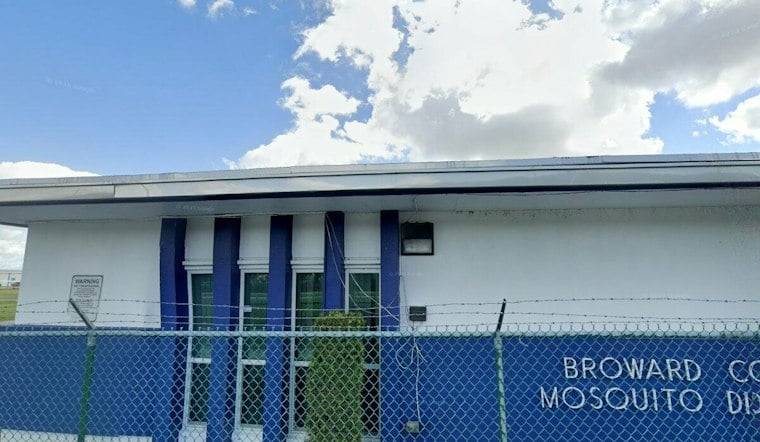
Broward County operates a surveillance, trapping and targeted spraying program that relies on patented technology to track mosquito activity. Adriana Toro, the county's assistant director of mosquito control, said the county coordinates directly with the Florida Department of Health whenever a suspected dengue case surfaces. “Every time we have a suspected case of dengue, they contact us, and we spray heavily around the blocks that could be impacted,” Toro said.
Florida health officials had already flagged dengue risk in Broward before this week's flooding alert. The county reported its first locally acquired dengue case of the year and issued a mosquito-borne illness advisory on Oct. 5, according to WUSF, a case that CBS News Miami also confirmed had been locally acquired. With flood water still sitting in yards, swales and parking lots across the region, officials are urging residents not to wait for another case count before clearing out standing water at home.



