

























































City inspectors logged more than 160 health code violations among food vendors at this year's Taste of Chicago, with 58 of the festival's 81 vendors flagged for at least one violation, according to a records review. Ten vendors racked up five or more violations apiece, and two vendors were cited nine times each over the five-day run in Grant Park this past July.
The findings come from an analysis of thousands of pages of 2026 Taste of Chicago records that WBEZ and the Chicago Sun-Times obtained from city agencies through the Freedom of Information Act. The outlets built a database of vendor and inspection data as part of the review. Temperature and cooler-related problems accounted for more than half of all violations found, with 82 citations involving incorrect food holding temperatures and seven more tied to faulty coolers and facilities.
Rodents, Warm Food and Shutdowns
At least 40 vendors were cited for improper temperatures during the festival, and the consequences showed up in the trash. Across the event, vendors discarded more than 800 pounds of food because it had been held at unsafe temperatures.
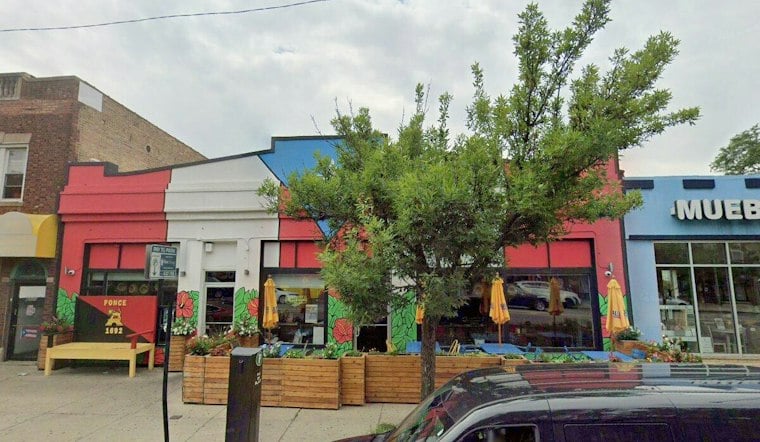
Ponce restaurant drew some of the most serious citations. An inspection found roughly 35 mouse droppings in the restaurant's rear storage area and behind freezers and racks, along with evidence of rodent activity and opened food packages stored without proper labels. Ponce failed three of its four Taste inspections on the festival's first day and ultimately discarded at least 95 pounds of pork, plantains, lettuce and tomatoes during the event; the restaurant had also failed a city inspection on June 24, 2026, before passing a reinspection on July 2, 2026.
Yummy Halal Food Truck failed five Taste health inspections, with violations that included improper ingredient holding temperatures and missing hair restraints. One inspection found approximately 40 or more rat droppings on the truck floor, and another reported wastewater streaming from the truck's exterior water tank onto a city street. City inspectors shut the truck down for a day because it lacked a certified manager on site; it had also failed a separate food truck inspection on June 16, 2026.
Smothered Chicken and Shrimp Dumplings on a Folding Table
Oooh Wee Smothered picked up nine violations across two days at the festival, cited for lacking a certificate holder, improper food temperatures, cooked chicken stored in a container meant for raw chicken, on-site food preparation, warm mayo sauce and an overly hot cooler. The vendor discarded food after its certificate holder returned to the booth. A related business, Oooh We! It Is!, was cited separately for chopping green tomatoes on site on the festival's fourth day.
DCASE said it contracted an external company to supply the trailers and had received no reports of malfunctions.
Josephine's Southern Cooking was cited for washing dishes and preparing food on site, and city inspectors failed the vendor's booth on the festival's final day after finding staff filling shrimp dumplings on a folding table set up behind its tent along the park hedges.
How Vendors Got In the Door
Vendors applying for the Taste were required to submit business certifications along with a clean inspection of a brick-and-mortar site or food truck within six months before applying, a standard that mirrors the city's general rule for special-event and summer-festival food vendors, which requires an inspection within six months of applying according to the City of Chicago. Records show that only 35 of the 81 vendors had a passing inspection within six months before applying, meaning fewer than half the lineup met that application requirement. Nine restaurants went on to fail brick-and-mortar inspections sometime between applying and the festival itself. Still, every vendor had some passing health department inspection on file before the event, though many of those records were outdated or conditional. Ponce, for its part, had submitted its Taste application on April 21, 2026.
During the festival, the Chicago Department of Public Health deploys sanitarians to conduct food-safety inspections meant to ensure vendors prepare and serve food safely and sanitarily. Participating restaurants are inspected by the health department during the event. CDPH has indicated there were no signs of foodborne illness resulting from this year's festival.
A Smaller Net for Other Festivals
CDPH inspects festivals at the request of the city's Department of Business Affairs and Consumer Protection, which processes event applications and approves event licenses; the health department itself does not review or approve those licenses or requests, according to CDPH's Jacob Martin. Martin said the department prioritizes events with larger numbers of vendors, and that CDPH sanitarians do not inspect privately organized events such as Lollapalooza or Riot Fest. Other city-sponsored events inspected by CDPH this year included Ribfest Chicago, Square Roots Festival and Market Days, and Windy City Margarita Fest was inspected in 2026 after not being inspected in 2025.
Lollapalooza, managed each year in Grant Park by C3 Presents, attracts more than 100,000 festivalgoers daily across its four days, while Riot Fest draws an estimated 50,000 people a day to Douglass Park in September. A DCASE spokesperson said organizers of privately run events are responsible for ensuring their participating food vendors hold appropriate licenses or permits and comply with food safety requirements, and that CDPH does not conduct on-site inspections at privately organized events held on Chicago Park District property.
The scrutiny echoes a 2007 episode at the Taste, when a salmonella outbreak tied to hummus from Pars Cove Persian Cuisine sickened more than 300 people.
A Known Risk Nationally
Temperature control is a recurring theme in food-safety research well beyond Chicago, with improper time and temperature procedures identified as leading contributors to foodborne outbreaks.
The scrutiny arrives as the Taste itself is in transition. Clinée Hedspeth, who leads the Department of Cultural Affairs and Special Events, announced at a mid-year City Hall budget hearing that the festival is set to move back to July in 2026 after being held in September since 2023, a shift projected to boost the department's revenue by an estimated 50% next year. The 2025 Taste, held in Grant Park from September 5 through 7, brought in $2.8 million in food and drink sales, a 12% increase over the prior year, as the city began charging food vendors a 10% commission.




