

























































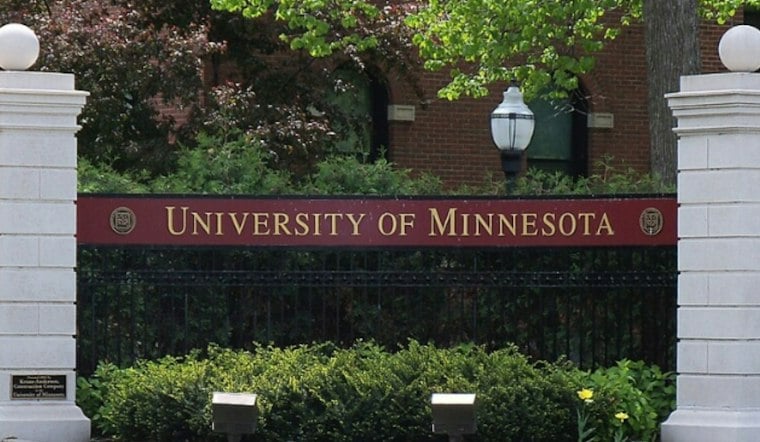
University of Minnesota Rochester has grown so fast that it ran out of room on its own campus, leasing classroom space inside Mayo Civic Center while it chases a $150 million building plan to keep pace with student demand. Enrollment climbed 12.7% this fall to 1,264 students, up from 1,122 the year before, and the university is now scrambling to add labs, classrooms and housing to match.
The numbers describe a campus bucking the national trend of enrollment struggles in higher education. According to Post Bulletin, UMR’s 12.7% jump this fall followed an even larger surge the year before. The university’s incoming class grew 80% in that earlier stretch, with nearly 350 first-time students forming its largest freshman class on record, as reported by Star Tribune.
To handle the influx, UMR added 11 new faculty positions and expanded classroom space, per KTTC, which also reported the school saw record enrollment numbers for the school year. Still, that wasn’t enough space to go around. The station noted UMR Chancellor Lori Carrell pointed to a 68% medical school acceptance rate among UMR pre-med students, compared with a 44% national average, as part of the case for the university’s health-focused model.
Classrooms Move Into Mayo Civic Center
With its existing buildings maxed out, UMR is using space inside Mayo Civic Center for classrooms, the station's report detailed. Chancellor Carrell said the university’s existing space has been secured through partnerships and long-term leases, but that more space is still needed, according to the dossier of university statements accompanying its growth plans.
UMR has also leaned on the Discovery Square innovation district, where it already works with local researchers and startups alongside a biotech incubator known as BioLabs. The university received approval to lease roughly 12,600 square feet of additional lab, classroom and support space there, with construction expected to begin in January 2027 and occupancy anticipated that fall, per the same account from the university.
A $10 Million Lab Expansion and a DMC Partnership
UMR is proposing to build out those Discovery Square labs and classrooms at a cost of $10 million, according to MPR News. The board overseeing the Destination Medical Center redevelopment voted to commit $3 million toward the project, MPR News reported, with UMR planning to ask the city of Rochester for roughly $5 million in sales-tax revenue and cover the remainder itself.
The Discovery Square expansion is meant to do more than add square footage. University officials said it will increase UMR’s laboratory classrooms and allow for continued enrollment growth, a goal tied directly to the surrounding Mayo Clinic health economy that the university was designed to serve.
A $150 Million Downtown Academic Building
Beyond the lab expansion, the University of Minnesota Board of Regents authorized seeking funding for a $150 million academic building in downtown Rochester, naming it a priority for the next legislative session, Post Bulletin reported. UMR also plans a 600-unit student residence and recreation facility, according to the same report.
Sources differ on exactly how large UMR expects to grow by the end of the decade. The Star Tribune has reported university officials aiming for up to 2,500 students campuswide by 2030, while MPR News has reported the university expects enrollment to reach 2,260 students by the end of the decade. Either figure would represent roughly double the 1,122 students UMR enrolled just last year.
The university’s undergraduate offerings remain built around two tracks: health sciences and health professions. The health professions program is a junior-admitting program run in collaboration with the Mayo Clinic School of Health Sciences, with students earning a bachelor’s degree alongside a Mayo Clinic certificate in echocardiography, sonography, respiratory care or radiography. The health sciences degree, meanwhile, prepares students for careers across six broader areas, including pre-med, patient care, health technology, and business and leadership.
As Twin Cities Business has noted, that health-centered curriculum sits against a backdrop of financial strain across Minnesota higher education, with the University of Minnesota system facing budget cuts of $225 million to $260 million over the next two fiscal years and Minnesota State announcing a major system restructure amid its own financial challenges. UMR’s growth has come even as the University of Minnesota’s Twin Cities campus saw new-student enrollment decrease 6.2% this fall.



