
























































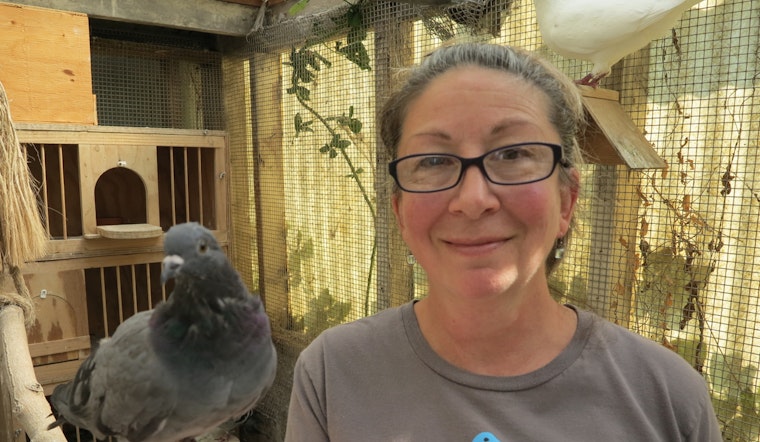
Locals are used to seeing pigeons scouring the city's streets for food, but owning one as a pet? Not so much. Elizabeth Young once felt the same way—before she became the founder of one of the largest pigeon and dove rescue organizations in the United States.
When she took in her first bird in 2007, Young had no idea she would one day start Palomacy, a massive Bayview-based avian rescue organization. She had originally moved to San Francisco in 1994 to work for an anti-poverty agency, and later an educational toy company.
During what she thought would be a year off between jobs, Young began volunteering in the small and exotic animals department of San Francisco Animal Care and Control. Eventually, she decided to take in Gurumina, a large white king pigeon, and found her a loving home through Mickaboo, a San Jose-based bird rescue organization.
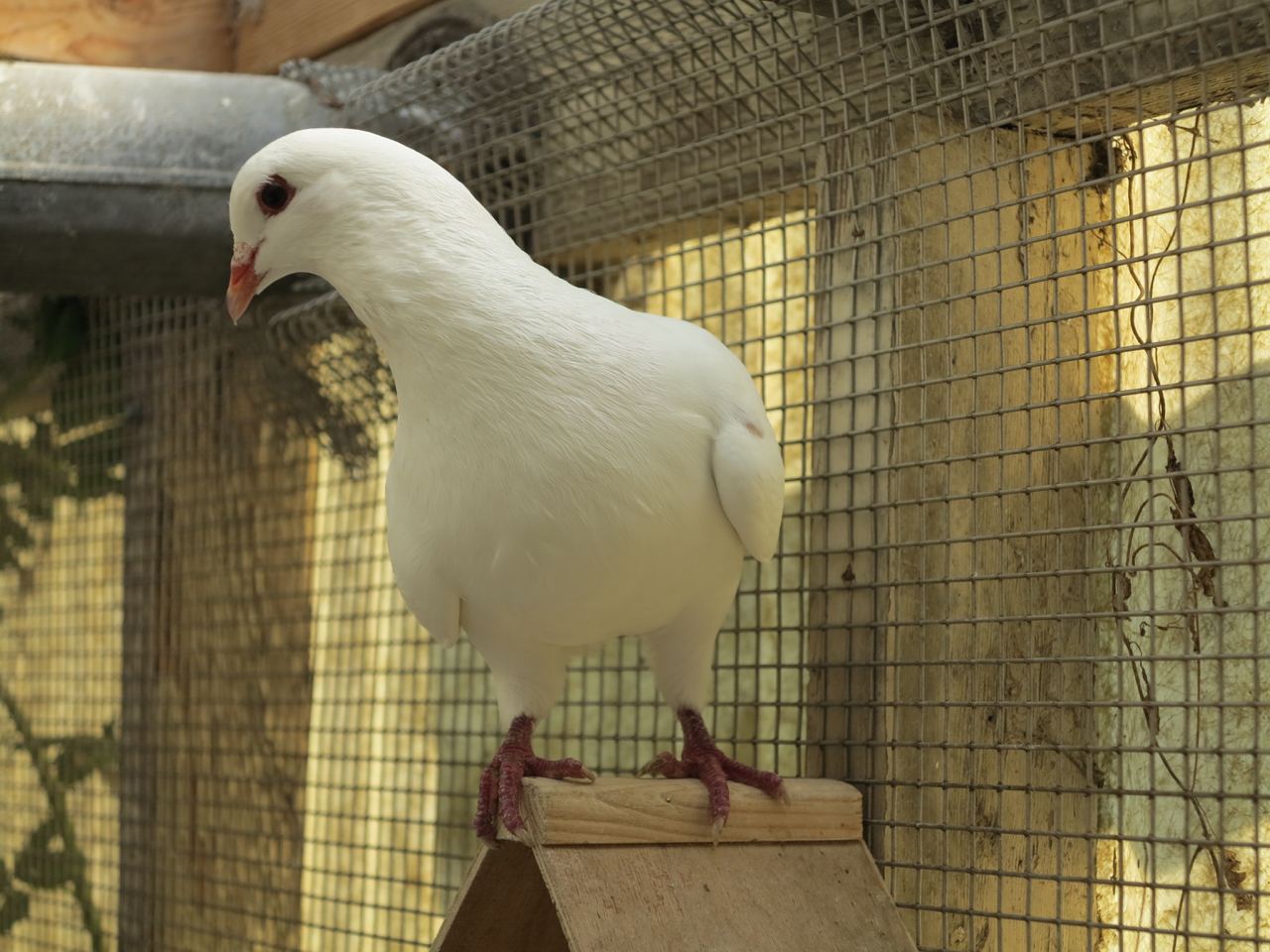
King pigeons have it especially rough, Young explained. "They are sold for food at poultry markets, and people often think they are 'saving them' by buying and releasing them, but they aren't," she said. "So now these birds have beat the butcher, they've survived an inhumane release, and they end up at a shelter, where they're often euthanized because they can't keep up with the puppies and kittens."
Soon after she found a home for Gurumina, another king pigeon showed up at the shelter. Young cared for that bird as well, and by the end of the year, she was working with Mickaboo directly. She created a department entirely dedicated to rescuing pigeons, which she titled "Mickacoo" (a reference to the cooing noises many birds make).
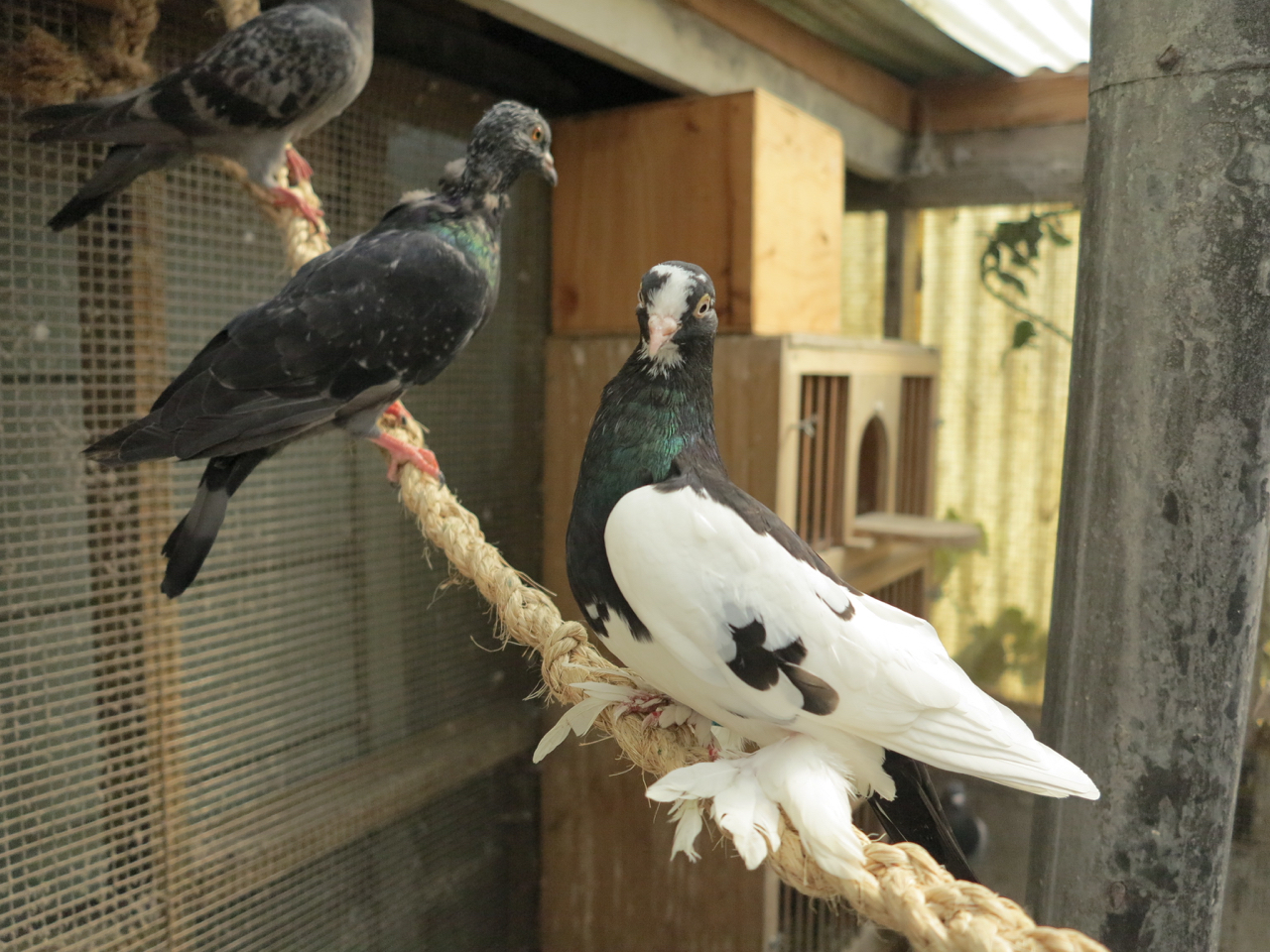
Young worked for Mickaboo—unpaid and spending her savings—until 2011, when she separated from the organization and opened her own, Mickacoo Pigeon and Dove Rescue. Last January, she relaunched as Palomacy ("paloma" is the Spanish word for both pigeon and dove).
Young describes Palomacy as an organization that "provides rescue, vet, foster care and rehoming services to unreleasable and/or domestic pigeons and doves in the Bay Area." It also provides humane education and coaching about what to do after encountering a wild bird in need.
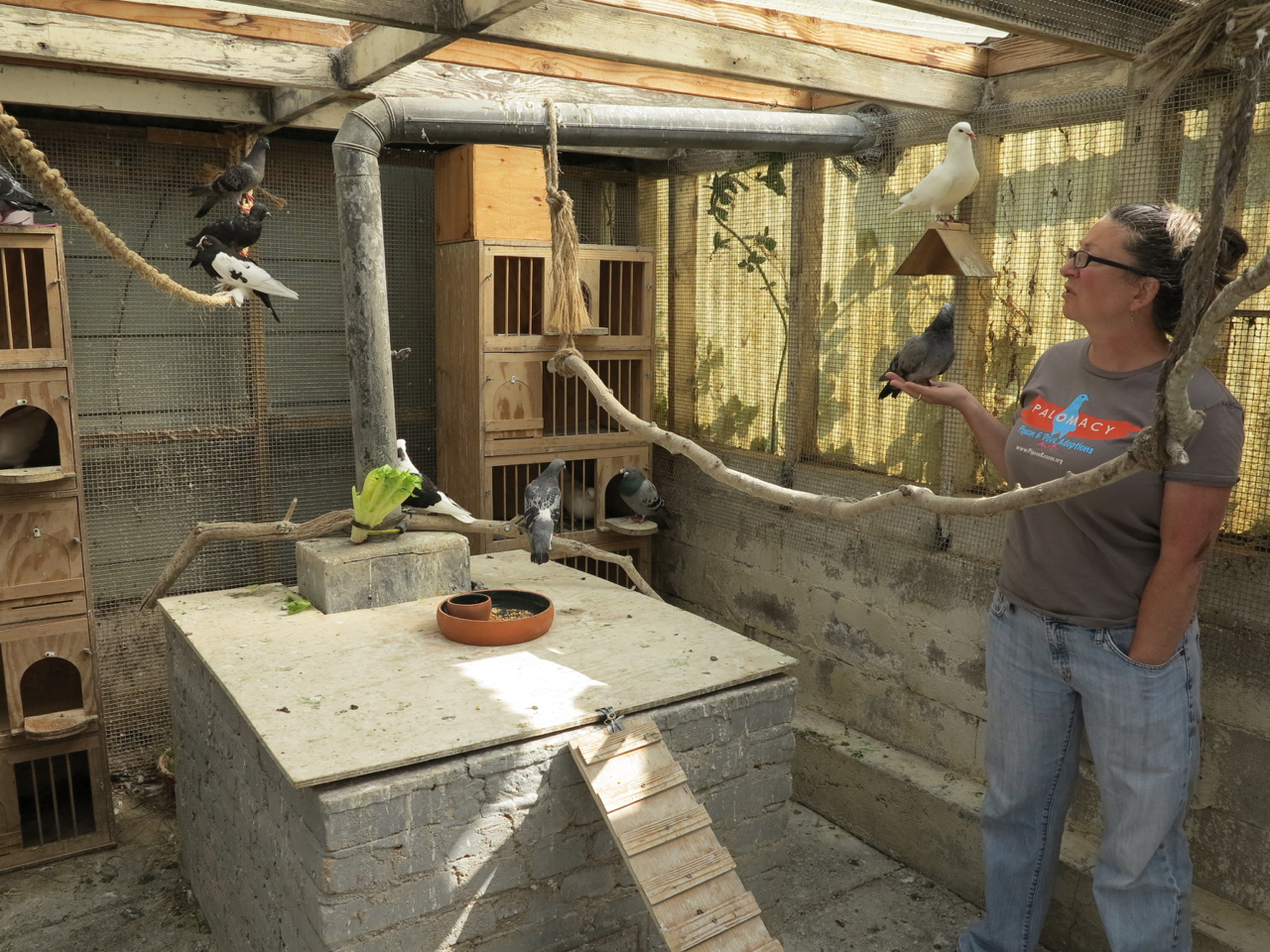
The organization consists of Young (the only paid staffer) and 50 active volunteers, 25 of whom also foster birds in their homes. They work with shelters to get birds off the kill list, ensure wounded birds are seen by avian vets, host public adopt-a-thons, build aviaries and transportation rigs, and provide a litany of other unpaid services to help the cause.
Funded almost entirely by individual donations (the largest is from Craigslist’s Craig Newmark), Palomacy currently has 119 pigeons and doves fostered across 25 homes. 57 birds have been adopted this year, with 11 more in the final stages of finding a permanent home. In all, Young said, her organizations have directly saved over 700 birds.
Young wants to shift the mindset around keeping pigeons as pets. "Dogs were once working animals—they were used for things like ratting and other jobs," she said. "That's how pigeons are today: they're used for meat, hunting, shows. We, however, see pigeons as companions to be protected and used as pets."
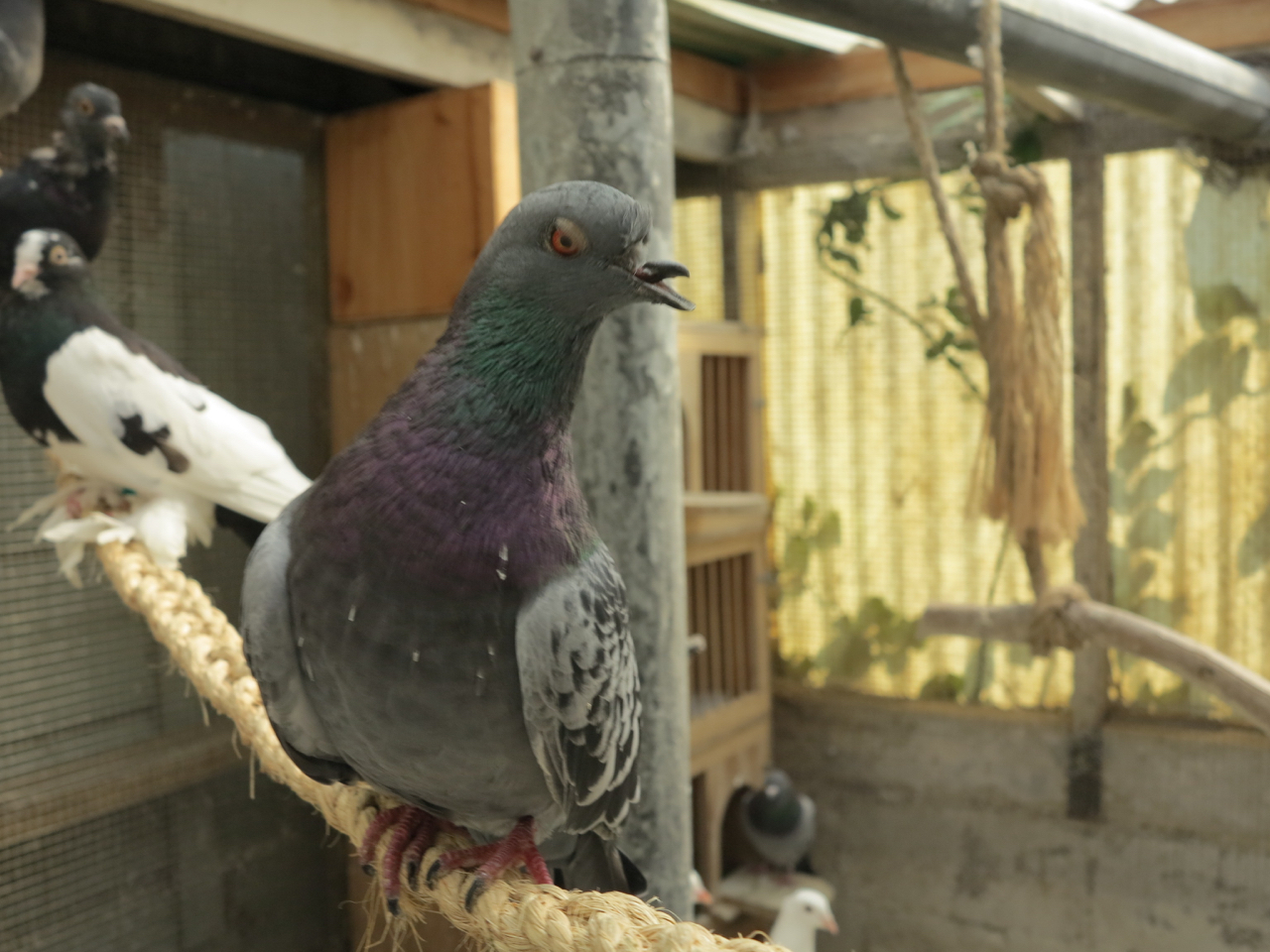
If you're interested in taking in a pigeon of your own, Palomacy's website offers guides on everything from what to do if you find an injured bird to how to care for a rescued pet pigeon.
"I'm doing this because nobody else was, and I was inspired by other rescues," Young said. "Pigeons make amazing pets. They're really smart, charming, quiet, easy, very casual and very emotionally intelligent. I call them Masters of the Leisure Arts."
To learn more about Palomacy, or to find information on getting involved, visit their website.





