

























































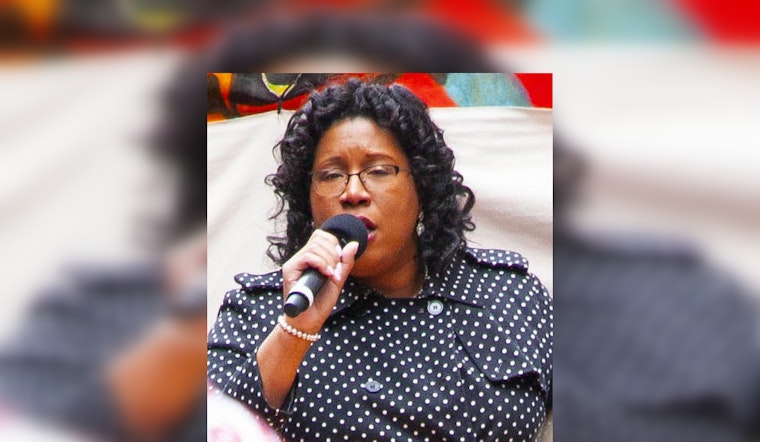
The recent release of a 2020 letter accusing Chicago Treasurer Melissa Conyears-Ervin of abusing her office has sent ripples through the city's political sphere. The letter, which was kept secret by the city until Mayor Brandon Johnson's administration decided to drop their efforts to maintain confidentiality, brings to light questions on the effectiveness of Chicago's accountability system for public officials and whether justice is being served.
According to the Chicago Tribune, the allegations against Conyears-Ervin include abusing her power, violating the state's whistleblower act, misusing taxpayer resources, and pressuring public employees for political gain. The Ethics Board, which only refers cases to the inspector general (IG) and cannot investigate them directly, has defended its actions in handling the case. Ethics Board Chairman William Conlon admitted that the board has to rely on detailed findings from the IG before any further action can be taken.
City Inspector General Deborah Witzburg has declined to comment on the Conyears-Ervin situation, leaving many unanswered questions about the status of the investigation. The case highlights the flaws in the city's internal system of accountability, as the Board of Ethics' lack of investigative power forces them to rely on the IG's office, which operates mostly in secrecy until it releases quarterly reports.
In a Chicago Sun-Times editorial, they argue that there's enough smoke to warrant an alarm in Conyears-Ervin's case. The Sun-Times pushes for an Inspector General investigation to provide transparency and assure that taxpayer-funded employees are not being used as personal servants, and that the treasurer’s office is being run fairly and properly.
As Reform for Illinois Executive Director Alisa Kaplan pointed out, the secrecy surrounding the letter prevented voters from considering the full scope of the allegations during Conyears-Ervin's re-election campaign. "While it's frustrating that the inspector general can't comment because the public doesn't know if action is being taken, there are good reasons for them not to comment on investigations. But the allegations are serious and if they turn out to be true, there's no question that there should be consequences," she told the Chicago Tribune.
Former Mayor Lori Lightfoot had a contentious relationship with the IG over the pace of investigations, arguing that delays in investigations can lead to a lack of due process for accused employees, delays in discipline, and questions about the cases' validity. In a letter to former Inspector General Joe Ferguson in May 2020, Lightfoot wrote, "In investigations that involve potential criminal action where police intervention may be necessary, any delay which could create the perception in the workplace that the alleged conduct is not being taken seriously or being handled expeditiously can have detrimental impact."
Witzburg acknowledged the issue of "investigative timeliness" has been a challenge for her office and has since increased staffing to address the problem. However, the existing cases opened by her office, of which 136 of 242 have been pending for more than a year, cast doubt on the timeliness and effectiveness of the IG's investigative work.





_(cropped).jpg)