

























































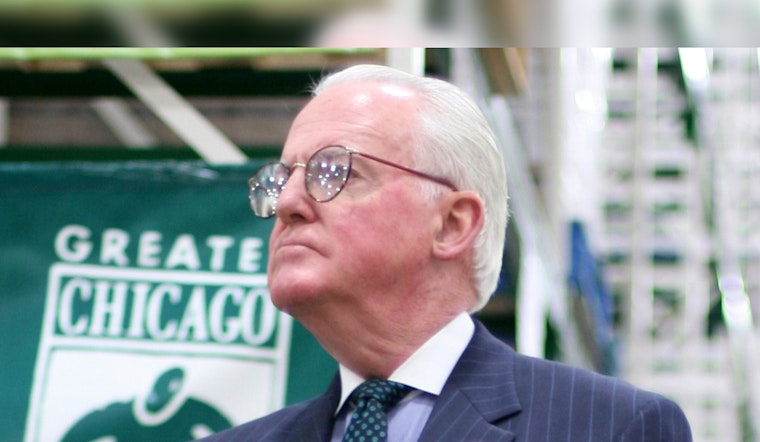
In a striking rebuff to the defense's bid for a mistrial in the high-stakes corruption trial of former Chicago power broker Ed Burke, U.S. District Judge Virginia Kendall maintained the course, backing the jury's ability to adjudicate with impartiality. Burke's attorneys had been clamoring for a do-over, pointing to inflammatory testimony from an Amtrak executive that ricocheted through the courtroom like a stray bullet. But, as The Chicago Sun-Times reported, Kendall was unwavering in her belief that there was "little to suggest there was an intentional act" by the prosecutors and that she had "a very good jury."
The jury's mettle was tested when Ray Lang, the Amtrak executive, let slip a characterization of the so-called "Chicago way of doing business" as "very corrupt," a remark that defense attorney Chris Gair blasted as a prejudicial stamp on the entirety of the proceedings. Despite the immediate jury instruction to strike the comment and the mistrial fireworks that ensued, Kendall underscored her confidence in the ears that heard it. According to a brief filed by prosecutors cited by Chicago Business, "the proper remedy for an errant statement made by a lay witness at trial is precisely what this court already has done."
At the crux of the trial is the accusation that Burke, once an alderman with seemingly Gordian ties to the city's levers of power, attempted to strongarm business for his private property tax appeals law firm from the developers renovating the iconic Old Post Office. Though the moment of indiscretion by Lang might have rocked less seasoned ships, Kendall's courtroom kept its bearings, steering away from notions of mistrial and back to the gathered evidence and witness testimonies that construct this tale of civic chicanery.
The specter of appeal looms, with Gair confirming an intention to raise the issue of prejudiced jurors should Burke be found guilty—an issue, they claim, the jury's "curative instruction" may not mitigate. Meanwhile, the trial steams ahead, resuming with Gair's cross-examination of Lang. As Chicago holds its breath, snippets from Burke's recorded conversations tease the forthcoming chapters of this saga—a city's gritty underbelly laid bare in a federal courtroom, dangling on the threads of justice.





