

























































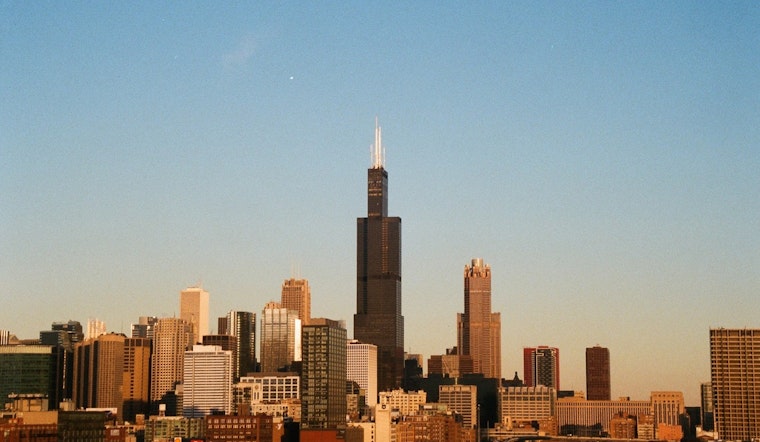
As the winter solstice takes hold this Thursday, daylight will be on a premium, clocking in at a mere nine hours and eight minutes. This astronomical event, marking the onset of winter, will occur at 9:27 p.m. tomorrow, December 21, setting the stage for the longest night.
It's not the stuff of science fiction, but rather a celestial tipping point that sees the Northern Hemisphere at its furthest lean from the sun. As the Chicago Tribune reports, Hunter Miller, a public observing educator at the Adler Planetarium, outlines the solstice saying, "That stick that comes out of the North Pole is facing away from the sun, and the South Pole is facing more toward the sun." The day's length is a game of latitude—Chicago gets less daylight on Thursday compared to cities closer to the equator like Miami.
The approach to December 21 has brought with it progressively shorter days. Even so, while the solstice marks the calendar's briefest allotment of daylight, it doesn't correspond with the earliest sunset, which Chicago witnessed earlier this month at precisely 4:19 p.m. According to NBC Chicago, the sunset has been inching later since mid-December.
This lack of light, however, isn't a signal for an immediate freeze. Forecasts for the city call for a high of 47 degrees on solstice day, shirking the average chill typically expected. It's suggested by the National Weather Service that true bone-chilling temps tend to trail the solstice by about a month or so. The environmental crystal ballpoints to a milder, drier winter for Chicago, courtesy of a strong El Niño influence.
And while the skies may be dark, Chicago's horizons aren't devoid of interest post-solstice. According to Miller's interview with the Chicago Tribune, now's a prime time for stargazing the likes of constellations such as Orion, which begins its ascent in the early evening.




