

























































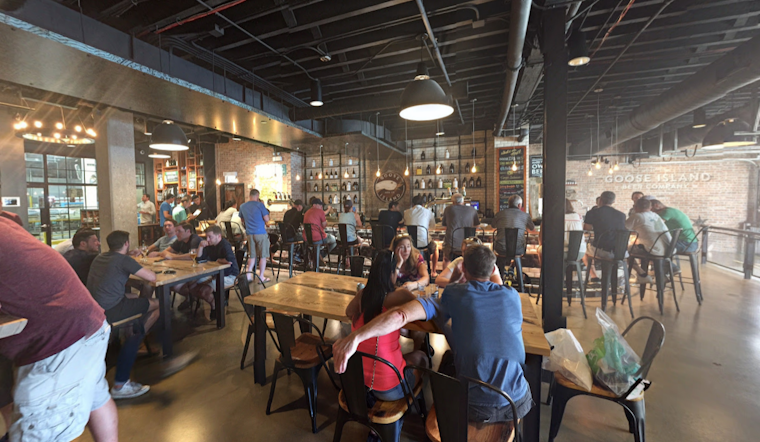
After 35 years in operation, a pioneer of the Chicagoland brew scene closed down its original Clybourn brewpub. Goose Island Beer Co., a household name among Chicago beer aficionados, served its last pint at its Lincoln Park location on Sunday. This closure is in preparation for the brand's move to a new venue adjacent to The Salt Shed, the recently opened music spot along the Chicago River.
The Clybourn location wasn't just any pub—it was the cradle of Chicago's craft beer movement since opening its doors back in 1988. Goose Island's farewell follows a trend of declining microbrewery businesses in Illinois, with a reported 10 percent shuttering this year alone, as mentioned in a Chicago Eater article. However, Todd Ahsmann, president of Goose Island, isn't seeing this as a setback. In a statement obtained by Fox32 Chicago, he expressed enthusiasm for the upcoming relocation, "Our passion for brewing great beer will continue to be at the center of everything we do."
As part of a commercial redevelopment project, the old brewery, along with adjacent businesses Bed, Bath & Beyond and Patagonia Store, will make way for new residential construction. The history-rich locale was said to be torn down, with Goose Island's President reminiscing about the venue as a place of fervent innovation and community events in a statement to Chicago Eater.
The decision to shut down the Clybourn spot reflects a changing market and an evolving brand now under the wing of a multinational conglomerate, AB-InBev. While many local enthusiasts shared personal memories tied to the place, as relayed in the Eater article, it's become apparent that the brewery's need to innovate dictated the move. Despite emotional undercurrents, the brand's anticipation for its future riverside location suggests a return to its namesake and continued contribution to Chicago's cultural landscape.





