

























































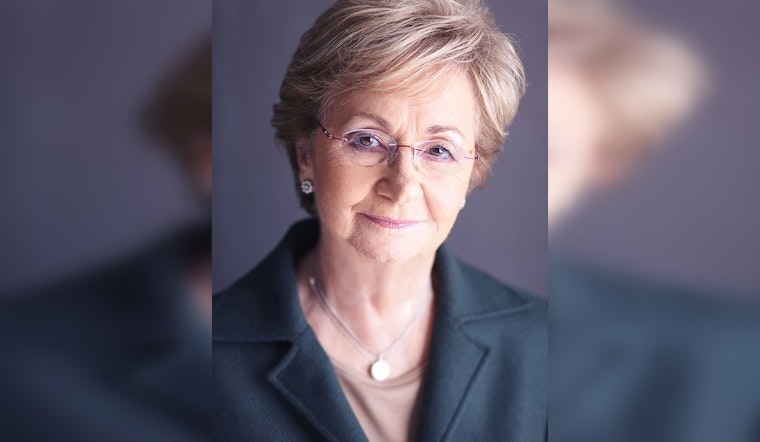
Juanita Castro, the lesser-known sister of former Cuban leaders Fidel and Raúl Castro, passed away quietly in Miami on Monday at age 90, as confirmed by journalist Maria Antonieta Collins. Collins, who co-wrote Juanita's memoir, announced her death in an Instagram post, highlighting Juanita as "an exceptional woman, a tireless fighter for the cause of her Cuba that she loved so much," according to La Prensa Latina. Juanita had been in exile since the 1960s for openly opposing the Cuban government led by her brothers.
Her split with the regime came after she began to publicly disagree with the communist ideology driving her brothers' governance. After eventually making a break to Mexico, Juanita settled into a new life in the United States, where she managed to not just survive but thrive as a businesswoman in South Florida. Despite the exile, Collins requested, on behalf of Juanita's family, "privacy at this painful time" and mentioned that, per her wishes, the funeral would be private. Collins also added a plea for prayers "for the eternal repose of her soul." Juanita’s decision to remain apart from her homeland, yet deeply connected to its fate, was most visibly captured in her choice to not attend her brother Fidel's funeral back in 2016.
Cuban by birth on May 6, 1933, Juanita supported the early efforts of the Revolution, but she soon found herself at odds with its outcomes. Her clandestine work with politically persecuted figures and with the CIA began as early as 1961, details of which emerged in her memoir co-authored by Collins. It was in 1964, faced with the hard evidence of her anti-regime activities, presented by none other than her own brother, Raúl, that Juanita was compelled to permanently depart for Mexico, further detailed in her memoir, as reported by La Prensa Latina.
While Juanita's life in the States was marked by her activism against the Castro regime, she also faced the challenges that came with her notorious surname—a name that for many represented the very oppression she fought against. Last year, she reflected on the decades of confrontation she endured, not only with the regime back home but "also those who 'in exile unjustly did not forgive' that her last name was Castro Ruz and 'attacked her mercilessly,'" she had said.





