

























































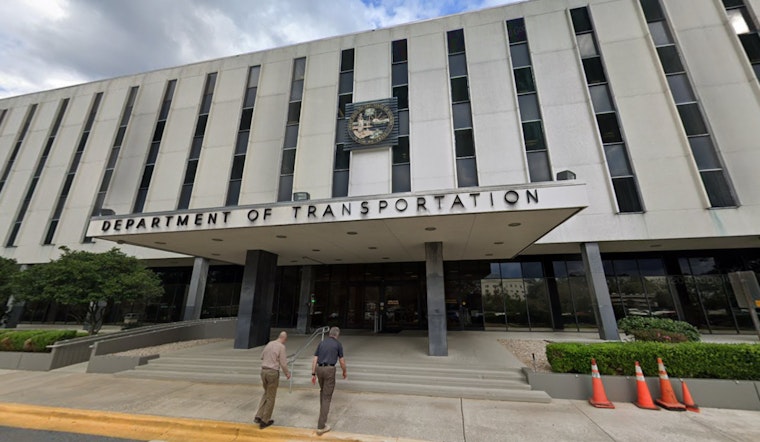
Florida's Transportation Secretary, Jared Perdue, has decided to firmly reject a hefty sum of federal dollars, amounting to $320 million, destined for the Sunshine State's efforts to curb tailpipe emissions. The declined funds were part of the federal Carbon Reduction Program, stemming from the 2021 Infrastructure Investment and Jobs Act—a colossal $1.2 trillion act aimed at overhauling the nation's transport systems. But Perdue, unconvinced, argued that the legislation doesn't provide explicit authority for federal mandates compelling states to either track or reach specific CO2 emission reduction levels, according to the Daily Business Review.
Perdue's reluctance to engage in what he perceives as the "politicization of our roadways" leads Florida's transportation department to instead focus solely on construction infrastructure—not reducing carbon output. This revelation emerged after a communiqué on November 13 to U.S. Transportation Secretary Pete Buttigieg. The White House, not to be deterred, unfurled its own countermeasure days later, on November 22, announcing finalized targets for states to actively track and set goals for greenhouse gas emissions, albeit without imposing penalties for missed objectives, as reported by NBC Miami.
Fingers were wagged by critics and environmental advocates alike at the state's turning away from federal assistance. Ali DySard from the Environmental Defense Fund's Florida Office detailed the lost financial benefits and cost-saving chances brushed aside by Perdue's stance, emphasizing repercussions including impacts on schools and fleets and possibly millions in savings for residents. Furthermore, DySard underscored how this move could stifle electrification of ports, SUN trails for non-motorized transport, and critical upgrades to commercial trucking infrastructures—an undoubted snag in the state's preparation for the transportation of tomorrow.
Despite these setbacks, Florida has not completely stalled on the road to modernizing its motoring landscape. The state has earmarked plans to deploy up to $46 million for the development of truck-parking areas equipped with commercial vehicle charging stations, and the Legislature has given a green light to $200 million in the spring to spread out the SUN Trails system. Upcoming bills, however, suggest electric vehicle owners might soon need to pay a new yearly registration fee—starting at $200 a pop—to offset the dipping gas-tax revenues as Florida's roads make room for more electric vehicles, according to an analysis quoted by the state Senate.
Meanwhile, the clash of environmental strategies in Florida continues to stir controversy, as noted by Perdue's letter following Governor Ron DeSantis' vetoing of $30 million. These funds could have been a pathway for state agencies to seek more than $300 million in U.S. Environmental Protection Agency grants aimed at boosting energy efficiency. Perdue, upholding the present emissions record as "the cleanest air on record.”





