

























































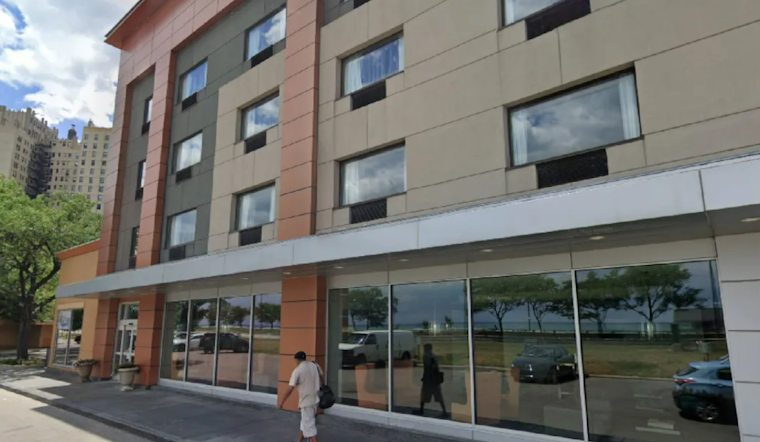
The State of Illinois is providing temporary shelter to asylum seekers who recently arrived from Texas, mainly through the provision of hotel rooms, as a part of its ongoing humanitarian aid efforts. According to an official state release, approximately 30 hotel rooms were made available last Saturday, with additional rooms for up to 200 people becoming available shortly after. These state-sponsored accommodations are meant as a stopgap measure until the completion of a more permanent shelter, currently under construction in Little Village, anticipated to open in January.
Governor Greg Abbott of Texas has been sending a notable number of asylum seekers to Illinois, without prior coordination, prompting the state intervention. In an unusual misstep, the funding for these hotel rooms is part of the additional $160 million announced by Governor Pritzker to tackle over 30,000 asylum seekers that have arrived from the U.S. Southern Border.
"IDHS continues to welcome our new neighbors with support services and assistance with work-permit applications, which will ultimately hasten their journey to self-sufficiency," said Dulce Quintero, IDHS Secretary Designate, in a statement. These efforts seem to be a part of a broader package that includes $478 million in State funding provided or promised for the years 2023 and 2024 to assist these individuals. This funding is designated for various essentials like shelter, food, medical care, and casework services.
The addition of staff has contributed to a reduction in individuals sleeping outside of police stations, with more than 11 full-time workers, when encountering new arrivals, dedicated to providing food, winter clothing, and identifying family or sponsor connections. However, these direct actions have facilitated reunions with families for over 2,000 individuals, bypassing the need for shelter services.
Collaborative work with local charitable organizations has led to a 58% increase in rental assistance applications approved since October. The State is also actively aiding asylum seekers in navigating through the federal TPS and EAD work-permit processes to promote employment and self-reliance, while at the same time reducing the strain on state resources. Large-scale workshops with legal aid and pro-bono attorneys are part of this initiative, ensuring asylum seekers are supported in their efforts to integrate and contribute to Illinois' communities.





