

























































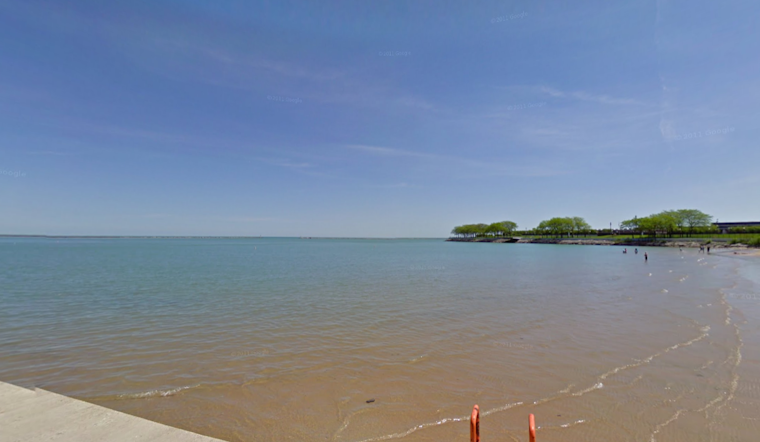
After years of setbacks and a final blow to Cleveland's Icebreaker wind farm project, Illinois is now stepping up to the plate to potentially host the first major offshore wind farm on the Great Lakes. The ambitious project, proposed to be located in Lake Michigan, aims to generate at least 150 megawatts of power, a striking difference from the now-defunct Icebreaker initiative, which aimed for a modest 21 megawatts. Despite the previous project's downfall, which was partly attributed to financial struggles, the state of Illinois is now taking the lead with strong governmental backing as the sail for Great Lakes' wind power swells.
The Icebreaker project, initially supported by a $50 million grant from the U.S. Department of Energy, had intended to supply clean energy to around 7,000 homes. However, regulatory hurdles and financial difficulties led to the unfortunate shelving of this endeavor. According to the Chicago Tribune, the Icebreaker team admitted to not having "a path forward right now", putting an indefinite pause on a project once laden with promise.
Fortunately, Illinois lawmakers have taken significant strides toward making this goal a reality. The 'Rust Belt to Green Belt' Act, which recently passed in the House and is now awaiting Senate consideration, lays down the groundwork for the Lake Michigan wind farm by establishing a fund for federal grant applications and mandating state procurement of electricity from at least one major offshore wind project. This ambitious project has been sold as part of a broader vision of the clean energy transition, with state Rep. Marcus Evans, D-Chicago, being quoted by the Block Club Chicago that "We're building the infrastructure to power the world."
In terms of logistics, Southeast Side residents have raised concerns and sparked discussions around the project's placement and the benefits it should bring to the community. The proposed legislation responds to these issues, stipulating that developers must submit equity and inclusion plans and strike at least one community benefits agreement with local organizations. These measures aim to ensure that jobs and advantages from the wind farm are equitably distributed and truly uplift the communities they're situated in. "There's going to be a first state to do this, there's going to be a last state to do this, and some states may not do this at all," state Rep. Evans told Block Club Chicago, expressing urgency in pushing the wind farm project forward.
If Illinois manages to swiftly navigate the regulatory waters and secure the necessary backing, the wind farm on Lake Michigan could signal a new era of clean energy leadership in the Midwest. The potential benefits, both economic and environmental, could serve to rejuvenate the Rust Belt region, transforming it into a hub for green industry and innovation. Experts predict that Great Lakes wind power could supply electricity to millions of homes by 2050.




