

























































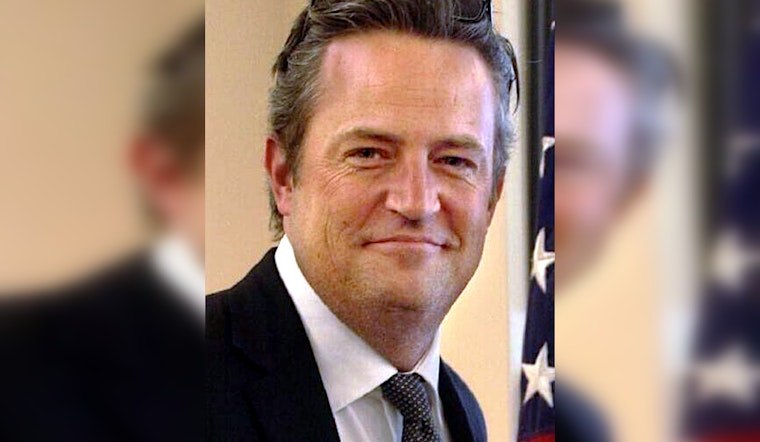
The tragic fate of Matthew Perry, best known for his role as Chandler Bing on "Friends," has been clarified by the Los Angeles County Medical Examiner. The coroner's report obtained by NBC Miami determined Perry's cause of death as the acute effects of ketamine, ruling the incident an accident, which claimed the life of the 54-year-old actor on October 28.
Significant contributing factors included drowning, coronary artery disease, and the effects of buprenorphine, a medication used in opioid addiction treatment. Perry, who was found unresponsive in his Pacific Palisades pool, had a history of addiction issues but he had been reportedly clean for 19 months prior to his death. According to the same coroner's report, "Taking K is like being hit in the head by a giant happy shovel," Perry wrote, emphasizing, however, that "Ketamine is not for me."
USA TODAY states that Perry's autopsy revealed "high levels of ketamine" in his system, with a concentration as high as 3,540 nanograms per milliliter, which is within the range utilized for general anesthesia. Even though the ketamine found could not have been attributed to his recent infusion therapy, the substance's presence played a crucial role in his death, causing cardiovascular overstimulation and respiratory depression. Moreover, the presence of buprenorphine was considered a contributory factor due to its respiratory effects when combined with high levels of ketamine.
The circumstances surrounding Perry's death remained clear of suspicion for foul play, as no drugs or medications were discovered near the site of his tragic drowning. Though he wasn't smoking at the time, Perry was also known as a heavy tobacco user for many years. As noted, by the autopsy report, "Alcohol, methamphetamine, cocaine, heroin, PCP, fentanyl were not detected" in his system. The actor, meanwhile, had addressed his past struggles with substance use in his memoir "Friends, Lovers and the Big Terrible Thing," showcasing a history of battling addiction while also emphasizing his dedicated efforts to remain sober.
While ketamine is approved by the FDA for anesthesia, its use for psychiatric treatment, such as depression and anxiety therapy, which Perry was undergoing, is not sanctioned. Ketamine, a dissociative anesthetic, may induce alterations in sight and sound perception and lead to a sensation of detachment, as cited by the DEA. Perry's untimely demise has highlighted the complex interplay between mental health treatment and substance use, resonating deeply with fans who remember him not just for his iconic television role, but for his candid revelation of personal challenges.





