

























































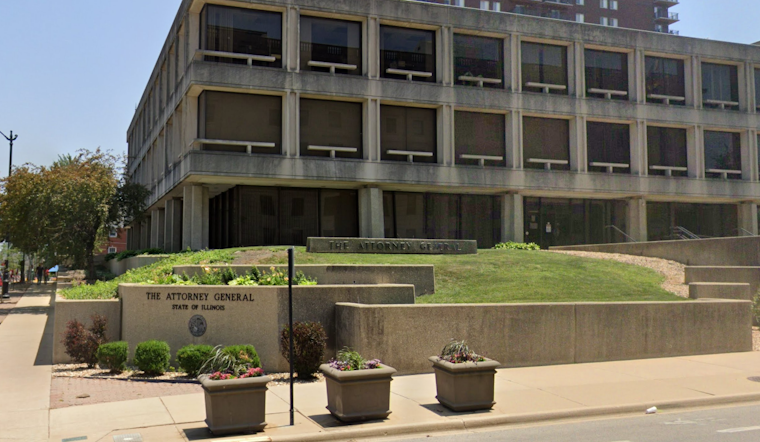
Big news for college sports players: A federal judge has just slammed the brakes on the NCAA's restrictive transfer rules. Attorney General Kwame Raoul led the charge and earned a temporary win that was big enough to shake the bleachers. The Illinois top lawyer is on a mission to level the playing field for student-athletes, and this week, they're seeing a glimmer of victory.
In the antitrust lawsuit that's been called a game-changer, Raoul scored a temporary restraining order from the Northern District of West Virginia, blocking the NCAA from sidelining athletes who switch schools from playing for a year. "Today’s ruling is a step in the right direction toward permanently ending the flawed transfer rule that restricts college athletes' ability to compete," Raoul remarked in a statement. The countdown's on, with 14 days on the clock until the next court skirmish set for Dec. 27.
The matchup pits Raoul and a team of six bipartisan attorneys general against the NCAA’s bench, challenging a rule that's put heavy chains on the ankles of transfer players. Since the opening shot was fired in court on Dec. 7, they're playing to win an extension on the restraining order until a full trial can tip off. The bone of contention was a contested NCAA regulation that's kept second-string transfer students on the sidelines for an academic year before joining the on-court action, unless the powers that be deem them worthy of a waiver.
It seems the NCAA has a soft spot for first-time transfers, lifting this restriction in 2021, yet playing defense against second-time transfers. But now, Raoul and his legal lineup are gunning for a permanent power play, calling out the NCAA for unfairly clipping players’ wings. And make no mistake, they're not pulling any punches. They've tagged the giveaway of a player's precious time to compete—we're talking 20% of their eligibility on the line—as nothing less than devastating. Their move is to show how the rules don't just fumble the supposed goals of nurturing academic roots and safeguarding the amateur spirit of the game – they hurt athletes, universities, and the loyal crowd alike.





