

























































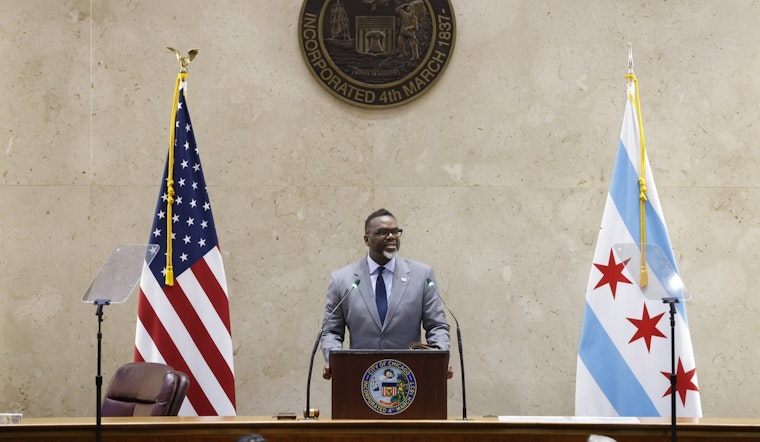
Chicago's grappling with a migrant crisis is set to take center stage as Mayor Brandon Johnson and his suburban counterparts convene on Tuesday to hash out a collective strategy. The coalition of metro political leaders is looking to coordinate a regional approach to the incoming surge of asylum-seekers. Key on their agenda are bus ordinances that towns have been rapidly adopting to manage the logistical challenges imposed by thousands of new arrivals.
As the vice-chair of the Metropolitan Mayors Caucus, Johnson underscored the need for municipalities to band together in tackling these pressing issues. "The City of Chicago stands with all municipalities throughout the region that are grappling with this humanitarian crisis sown by Governor Gregg Abbott’s reckless action," Johnson expressed in a news release, as reported by Chicago Sun-Times. He emphasized that Tuesday’s meeting was essential to maintain a "humane regional response" to the situation.
In the wake of some 30,000 new arrivals from the southern border since August 2022, the region has seen 535 buses roll into Chicago, with most of the migrant transports occurring after mid-May 2023. The suburban communities have been compelled to adjust rapidly. Bus restrictions have been introduced, requiring companies to submit applications days in advance or risk punitive measures. Geneva Mayor Kevin Burns, who leads the Metropolitan Mayors Caucus, told the Daily Herald, "Our collective efforts are rooted in providing safe, respectful and compassionate assistance for asylum seekers making their way to their final destination.”
Meanwhile, DuPage County officials estimated that 96 buses have dropped off migrants within their confines since December alone, contributing to nearly two-thirds of the regional flow of asylum-seekers passing through their domain. The suburban response has been mixed, with some towns like Glen Ellyn taking a decidedly more welcoming stance. "We, as a village, are treating these migrants as any other visitors to the village,” Glen Ellyn Village President Mark Senak elucidated in a letter to residents. “We respect their wishes and allow them to board the train, purchase tickets, and proceed to their destination," Senak further mentioned.
The migrant crisis has challenged local governments extensively, pushing them to enact variable strategies to contend with the influx. Thus, the upcoming meeting among regional mayors stands as a significant step towards not only shaping a more unified policy but also addressing the complex humanitarian dimensions of this modern migratory phenomenon.





