

























































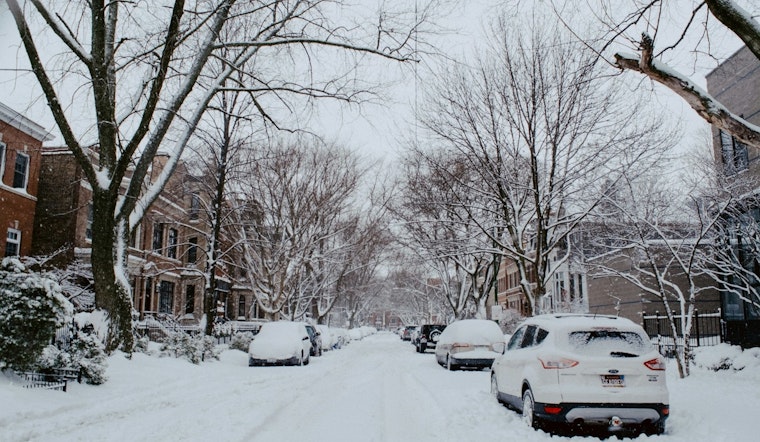
As Chicago grapples with its latest winter walloping, residents with limited mobility are sounding alarms about treacherous sidewalk conditions while the City Council has started laying the groundwork for a potential solution. According to a Chicago Tribune report, locals who use wheelchairs and other mobility devices face considerable difficulties traversing snow and ice-covered pathways, as articulated by sufferers like Cherlnell Lane, who describes feeling "trapped" in her home when the white stuff blankets the ground.
Under current statutes, Chicago property owners have the onus to clear snow, but amidst polar temps and 647 complaints to the city's 311 system, only 13 citations have been issued, Erica Schroeder, a spokesperson for the Department of Transportation, told the Chicago Tribune - not nearly enough, alleged disability and transit advocacy groups, who argue the risks are amplifying for elderly and disabled residents, such as T.J. Gordon who's co-founder of the Chicagoland Disabled People of Color Coalition, who confessed the dread of crossing icy intersections, "Granted I can still catch myself before I fall, but I think the last couple years I might have slipped and fell on the ice at least twice," he revealed to the Tribune.
Meanwhile, city lawmakers have sparked the beginnings of a pilot plan that could see municipal workers shouldering snow and ice removal tasks, a CBS report disclosed that the Chicago City Council is convening a team to devise the program, which would swap the private shoveling system out for a public one, and eyes are on how Toronto has managed similar challenges.
However, not everyone's on board; Alderman Anthony Beale is vocally opposed, cautioning against creating false hopes and potentially impacting the pocket change of the city's youth—it may cost taxpayers "a few hundred million dollars," he warned, as reported by CBS. But Mayor Brandon Johnson is advocating for the change, questioning the hidden costs of confining the city's multiply challenged residents to their homes during snowy days, "My question is what's the cost to the city of Chicago when seniors and individuals with disabilities can't move around in the city of Chicago because the season has changed? I need people moving around year-round so that they can go to restaurants, buy food, pay folks a minimum wage so that we can invest in the services that we're talking about," Johnson declared to CBS.
If the pilot receives City Council approval, following recommendations due by the end of May 2024, the long-awaited municipal snow-clearing services could roll out by January 2025, offering a gleam of hope to those like Lane and Gordon, for whom every snowfall spells added layers of isolation and risk.





