

























































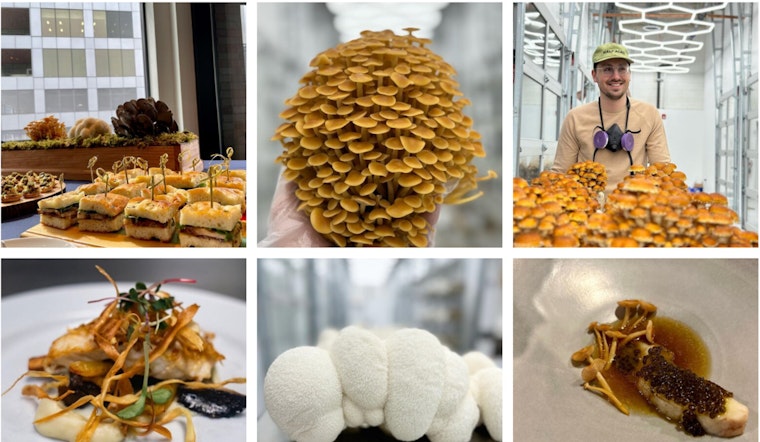
Chicago's culinary scene is mushrooming, and Joe Weber's Four Star Mushrooms are leading the growth spurt. Once unimpressed by the humble fungus at his family dinner table, 26-year-old Weber has shifted gears and is now supplying some of the city's most prestigious eateries with high-quality, sustainably grown mushrooms, from lion's mane to chestnut varieties.
Grown in a state-of-the-art production facility that sprawls 11,000 square feet, these mushrooms are no backyard project. Weber's eco-conscious operation creates fungi under exacting conditions, steering clear of any pesticides or fertilizers. As reported by Chicago Tribune, gourmet kitchens like Smyth and vegan hot spot Fancy Plants Cafe are snapping up these local treasures, intertwining sustainability with Michelin-star excellence.
Not content with just dazzling the restaurant realm, Four Star Mushrooms is on a mission to make an environmental impact, one composted block of soybean hulls and red oak sawdust at a time. This zeal for the environment is manifesting as the firm eyes produce a nutrient-rich compost from their spent mushroom substrate, potentially revitalizing vacant lots in Chicago's less verdant quarters. According to an interview with NBC Chicago, customers can now find Four Star's fungi derivative creations across the Loop—integrating into pizzas, rolls, and even dessert tarts requiring that perfect "meaty chew."
But it's not just industry professionals who are privy to the fungi fun. Designed with inclusivity in mind, Four Star's innovative facility will flaunt its mushroom cultivation process behind transparent walls. Enthused about the prospects of engaging with the community, Weber told the Chicago Tribune, "We are changing the way we look at food transparency and truly letting people see feet in front of them where their next meal is coming from."
With plans to ramp up production to between 8,000 and 12,000 pounds of mushrooms each week, the future of Chicago's food system might just hinge on the successful proliferation of Weber's fungi. The West Loop facility, an homage to agricultural innovation and culinary expertise, promises more than just fresh morels for Christmas—it heralds a shift in the very fabric of urban food production. Joe Weber's mycological marvel isn't just serving up fine dining—it's laying the groundwork for a more sustainable Chicago, one mushroom at a time.





