

























































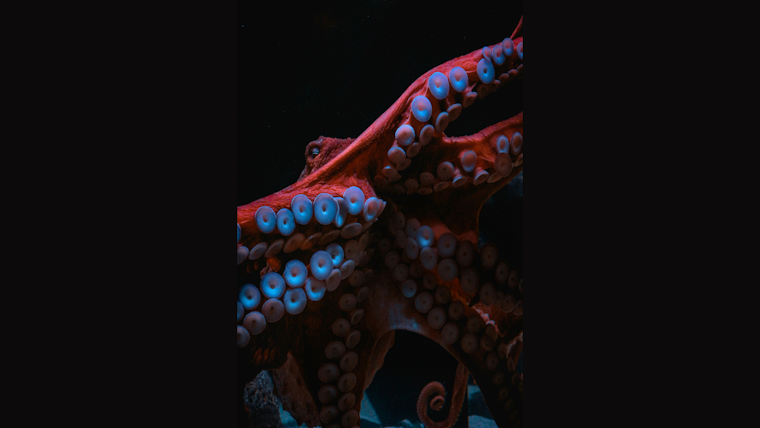
A storm of controversy has erupted over a Spanish company's plans to start an industrial-scale octopus farm in the Canary Islands, with both authors and aquatic activists raising ethical and environmental concerns. According to OPB, the seafood corporation Nueva Pescanova is gunning to construct a farming facility that would sprawl across 52,691 square meters of dock space in the Port of Las Palmas on Gran Canaria island, despite mounting opposition.
The plans, which are still pending permit approval, have been called into question by Sy Montgomery, the best-selling author of "The Soul of an Octopus," who, according to a statement obtained by NPR, felt "appalled" by the idea of confining the cognitively advanced octopuses to tanks for mass consumption. Nueva Pescanova insists its venture is aimed at conserving octopus populations and meeting market demand; however, critics argue that the focus is more on financial return than conservation efforts, with critics worrying about the potential risk to wild populations and dismissing corporate claims of sustainability.
Montgomery and others are particularly concerned because octopuses exhibit highly complex behaviors, indicating a level of intelligence that may render them inappropriate for farming practices. As reported by Inkl, this includes their abilities to solve puzzles and even remember human faces—attributes that raise the stakes for ethical debate.
Despite such protests, Nueva Pescanova counters that there is "no scientifically validated knowledge about the 'intelligence' of the octopus, or whether it is more intelligent than other species," as stated on Otherweb, emphasizing their alignment with agendas pushing for more sustainable aquaculture development. The company still faces a gauntlet of regulatory hurdles before proceeding, including local permits and permissions to discharge into the Atlantic Ocean, which will be no small feat given the tide of dissent they're up against.





