

























































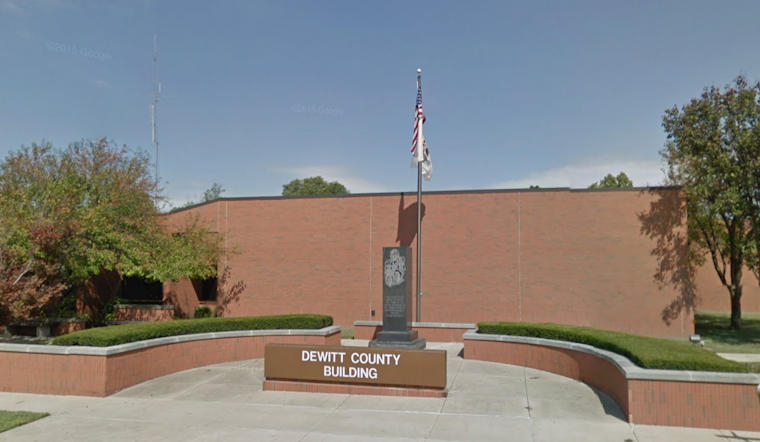
In an announcement that holds the line on property taxes, DeWitt County's tentative property assessment equalization factor, known as the "multiplier," has been pegged at a steady 1.0000 for the upcoming year, according to the Illinois Department of Revenue. This essential tool balances property assessments across various counties, ensuring a fair tax burden for all residents.
David Harris, the Director of the Illinois Department of Revenue, revealed that discrepancies would run rampant without this multiplier, with differences in tax responsibilities for comparable properties potentially straining thousands of local taxpayer pockets across overlapping jurisdictions like school, fire, and junior college districts. Still, equalization management is crucial for fairness among taxpayers.
The process, guided by state law, demands that property be assessed at a third of its market value, yet, for farmlands, the approach skews toward productivity standards. To arrive at the equalization factor, the state compares individual property sales prices over three years with the county's assessed values, which clock in at 33.37 percent of the market value for DeWitt County.
Even with assessments on the rise, the multiplier maintains its ground at 1.0000, the same as last year, meaning that a taxpayer's burden remains unchanged by this multiplier. However, local taxing authorities ultimately hold the cards when it comes to the actual tax bills, as these hinge on annual funding requests made to keep community services afloat.
A public hearing will illuminate any potential shifts to this tentative factor, scheduled within 20 to 30 days post-publication in a DeWitt County periodical. The multiplier's final form will shape 2023's taxes, to be paid in 2024, and as always, the balance of tax responsibility is deftly determined by the value assessed on each property.





