

























































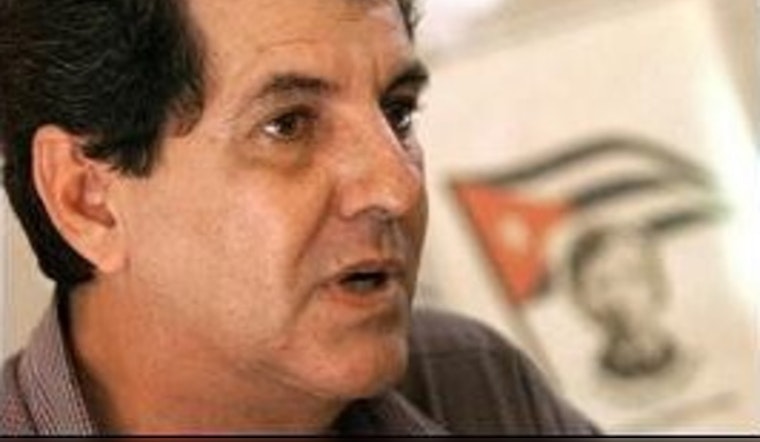
The specter of espionage and betrayal has cast a long shadow over the Cuban exile community in Miami as the family of slain Cuban dissident Oswaldo Payá takes legal action against a former U.S. diplomat. Payá's widow, Ofelia Acevedo, has filed a wrongful death lawsuit against Manual Rocha, a former ambassador to Bolivia, on suspicion of his clandestine work for the Cuban government, as reported by WSVN. The lawsuit alleges that Rocha was complicit in Payá's assassination, which took an eerie turn from a supposed car accident to something much more sinister.
In 2012, Payá died in an east Cuba car crash, the government ruling it an accident. However, claims of a government vehicle forcefully hitting Payá's car from behind align with findings by the Inter-American Commission on Human Rights, suggesting state security's involvement. These assertions have added fuel to the fiery litigation instigated by Acevedo. According to a statement obtained by U.S. News & World Report, the former diplomat Rocha is accused of "directly aiding Cuban officials by providing them with critical intelligence" procured through his privileged roles and Top-Secret security clearance.
The lawsuit against Rocha unfolds a saga of deception that stretches back to the 1970s. Rocha's arrest in December on secret agent charges has embroiled the Cuban exile community, particularly as the community once considered him a stalwart ally. The legal action coincides with what would have been Payá's 72nd birthday, marking a poignant moment for those demanding justice for the Cuban government's most intransigent critic, who was celebrated with the EU's top human rights award in 2002.
The plaintiff is backed pro bono by Carlos Trujillo, attorney and son of Cuban immigrants, who resonates with the injustices faced by Cuban dissenters like Payá. Trujillo, with a tenure as Ambassador to the Organization of American State under his belt, represents the desire for redress felt by Miami's Cuban community, a powerful enclave that once saw Rocha as a figurehead of conservative values.
This unfolding narrative depicts a grave allegation: that Rocha’s role within the U.S. Southern Command in Miami until 2012 involved illicit efforts to bolster Fidel Castro's regime. Revelations in the released diplomatic cables by Wikileaks only compound the intrigue, as they detail Rocha's involvement in sending reports about Payá to Southcom commanders, demonstrating a breach of trust that may have sealed the dissident’s fate. Rocha's legal representation and Southcom have yet to comment on the matter.




