

























































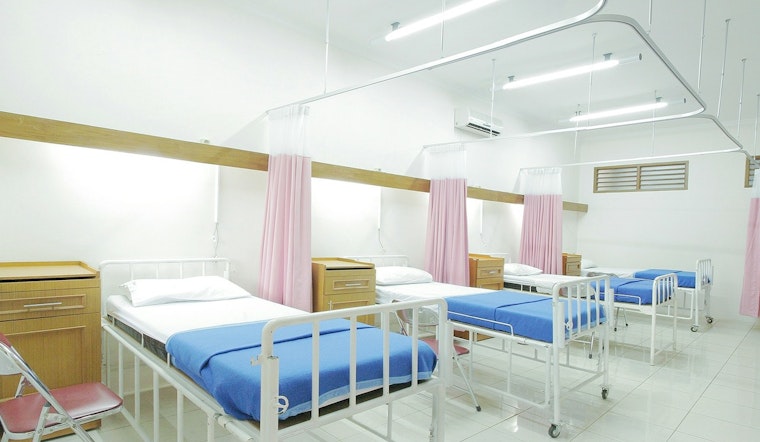
Oregon is confronting a mental health crisis head-on with new findings indicating a staggering need for additional behavioral health services. A recent report commissioned by Governor Tina Kotek, and carried out by the Public Consulting Group, exposed a gap in the state: Oregon requires approximately 3,000 new adult residential mental health beds to meet current needs, as per the Portland Business Journal. This addition would mark a 70% expansion of the current capacity.
The urgent quest to increase treatment options comes with an equally imposing price tag, estimated to reach at least $500 million over five years. That figure does not take into account the ongoing operational costs necessary to truly operationalize the facilities. As the state scrambles to more adequately provide for its residents, gaps in the workforce persist, representing yet another hurdle in the quest to combat the crisis. Moreover, the state aims to more effectively address a frightening rise in potent substances like fentanyl, which have deeply exacerbated the state's overdose epidemic. The Oregon Live reported that officials are coordinating resources and seeking ways to triage those addicted into treatment programs as part of a 90-day fentanyl state of emergency.
Patching this gaping hole in the healthcare system goes beyond just physical infrastructure. The Willamette Week highlights that the scarcity is especially pronounced for beds designated for civilly committed patients, with Oregon offering fewer per capita than almost all other states. This scarcity is more pronounced because of the higher legal threshold required for court-approved civil commitments in Oregon as compared to other states.
Gov. Tina Kotek, in a written statement obtained by the Portland Business Journal, said “Too many Oregonians are struggling to get the help they need for a mental health or addiction challenge, and the state needs to lead with a strategic approach to addressing these gaps in health care. We need more resources, to be sure, but we also need better data so we can better serve Oregonians.” This sentiment echoes the persistent calls from professionals for a significant boost to Oregon's mental health services infrastructure, a concern that has grown louder in the face of climbing housing costs and the lingering impact of the pandemic.
As June approaches, the focus turns to the release of the Oregon Health Authority's final report, which will delve deeper into the whereabouts of the required beds and outline a proposed funding strategy. For decades, mental health providers have lamented the shortage of resources, and now, armed with comprehensive analysis, the state is positioned to potentially make substantial strides in bridging the gap between the care that is available and the care that is desperately needed.




