

























































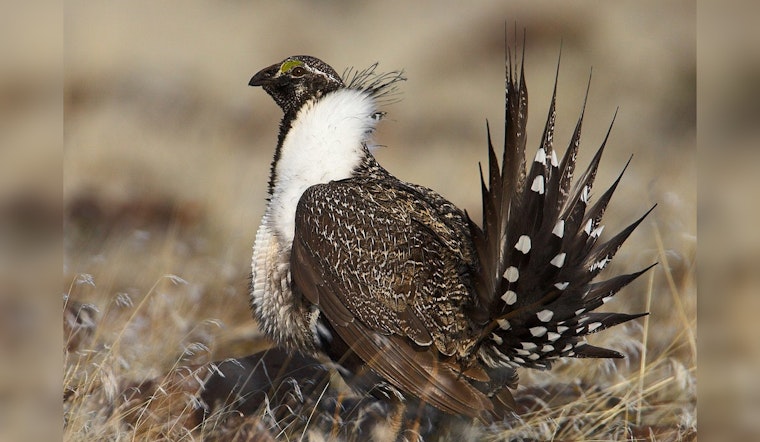
In a bid to shore up the dwindling numbers of the greater sage-grouse, an avian symbol of the American West, the Biden administration has set forth a proposal via the Bureau of Land Management (BLM), igniting a firestorm of debate amongst conservationists and stakeholders. The proposed changes, outlined this past Thursday, aim to amend the BLM's current practices to bolster the survival prospects of these birds that call the sagebrush-covered expanses their home.
According to The Hill, the BLM's proposal focuses on revising the draft environmental impact statement covering management alternatives for sage-grouse habitat on public lands, impacting 10 states. While the effort strives to reverse habitat loss, the reception has been as mixed as a scrambled Spotify playlist, reflecting divisions among environmentalists over the approach's efficacy.
The potential reach of these amendments is significant, with public lands in Oregon estimated to embody some 10 million acres of sage-grouse territory, reports OPB. The administration's draft amendment shakes up the status quo of sage-grouse protection and the BLM's land management strategies across not just the Beaver State, but also California, Colorado, Idaho, Montana, Nevada, North Dakota, South Dakota, Utah, and Wyoming.
However, not everyone is flying high with optimism. Critics, such as those from the Defenders of Wildlife, argue that the proposed amendments are a shot in the dark at halting the sage-grouse's 80% population plummet since 1965. They insist the proposition "falls short," barely scratching the surface of what's needed to reverse declines in the face of habitat loss and climate change. The public has until June 13 to weigh in on the draft amendment, an opportunity for stakeholders to roost their opinions on a contentious battleground for conservation.
Whether the Biden administration's proposal will take flight or nosedive remains to be seen. The public's comment period illuminates the democratic process, casting a spotlight on a bird that's less flashy than an eagle but just as symbolic of the American wilderness's changing fate.


