

























































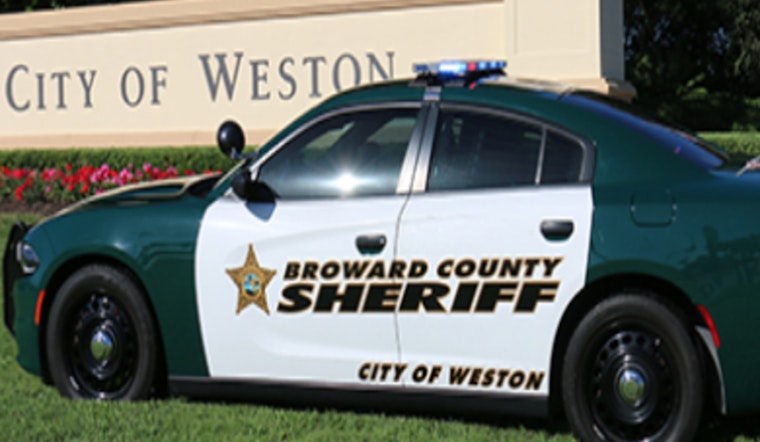
The Broward Sheriff's Office (BSO) Weston District is actively participating in the BSO Co-Responder Program, an initiative aimed to better handle mental health emergencies with a unique tandem of law enforcement and clinical expertise. Running since January 1 without additional financial burden on the city, the program aims to safely and effectively address crises, hoping to significantly change the standard for mental health intervention before its evaluation in July 2024.
Pairing up a Crisis Intervention Team (CIT) trained deputy with a licensed mental health clinician has begun to quickly and humanely defuse volatile situations. They collaboratively respond to calls, striving to de-escalate potential conflicts and redirect individuals, when possible, away from the criminal justice system into appropriate care. Their collaborative approach is designed not only to manage immediate crises but also to conduct follow-up visits, ensuring individuals and their families receive continuous support and help in connecting with behavioral health services.
The City of Weston has reported notable successes due to the program's implementation, including a dip in repeat encounters and arrests, an increase in mental health referrals, and, notably, an absence of force used during interventions. All this has been achieved, according to the BSO, by merging law enforcement with clinical expertise on the field, unanticipatedly enhancing the response to mental health deterioration symptoms and potentially reducing harm.
At the core of BSO's dedication to mental health is their CIT training, which equips deputies with the skills necessary to identify and interact more effectively with those living with mental health challenges. CIT training is crucial, particularly for the school resource deputies and 9-1-1 operators, who are often first in line to discern the nature of an emergency. The aim is to eventually have all BSO law enforcement deputies CIT certified—currently, they stand at 55 percent.
A deeper look into the BSO's ambitious efforts shows a commitment to reshaping community and police relations, particularly around the complex and often stigmatized issues of mental health. As mental health continues to be a significant public challenge, the BSO's initiative presents a promising bridge between the needs of the community and the resources allocated to protect and serve them.





