

























































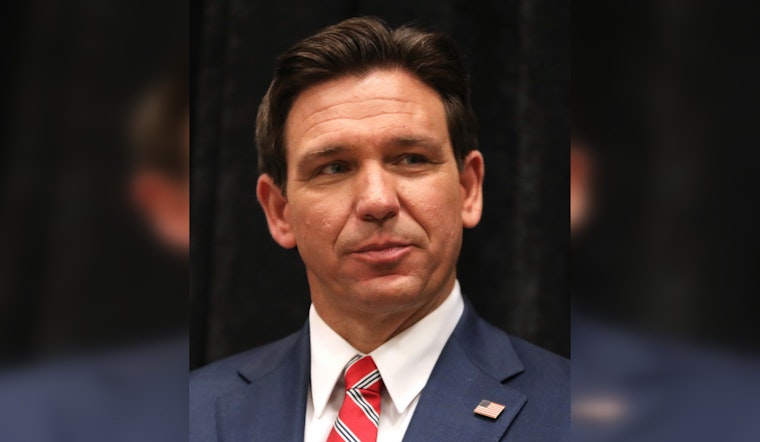
Florida Governor Ron DeSantis has wielded the legislative pen to redefine youthful engagement with social media, signing into law House Bill 3, which places a prohibition on children under 14 from using these platforms and stipulates that those between 14 and 15 must gain parental consent, as NBC Miami reported. The bill, a product of intense legislative scrutiny and modification, emphasizes the role of parental oversight in the digital realm, setting a new operational challenge before social media companies, as they grapple with the mandate of dismantling existing underage accounts and adhere to strict age verification processes safeguarding user data.
"Social media harms children in a variety of ways," DeSantis declared, laying the foundation for the law's intent to solidify parental agency, while Florida House Speaker Paul Renner characterized the internet as a virtual danger zone for unsuspecting youth, contorted by predatory behavior and a breeding ground for mental health crises including depression and self-harm, which was echoed during a statement in which Renner and DeSantis simultaneously acknowledged the dark facets of social media and the necessity for this legislative response. Despite proponents' stalwart defense, the tech industry, spearheaded by groups like NetChoice, stands in staunch opposition, forewarning of First Amendment entanglements and potential legal reprisals, readying their arsenal as the law gears to come into effect by January 1, 2025, according to information from New York Post.
Aiming to forfend the perceived vices of social media, House Bill 3 carves out a legislative niche distinct from its predecessors by scaffolding on conditional usage and data anonymity; it sidesteps earlier worries of Governor DeSantis on constitutional viabilities which led him to veto a previous iteration of the bill. The measure, marked by reciprocal concessions, now finds itself poised for the inevitable judicial theater, trailblazing a potential blueprint for other states—while riskily courting similar judicial pushbacks experienced by states with analogous laws, as seen in Arkansas where an injunction slammed the brakes on similar provisions demanding parental consent.
The legal landscape, marked by federal courts once disrupting the state's previous attempts to shackle social media firms, awaits as the battleground where the clash between state-led reforms and industry giants could redefine boundaries and legislative overtures in the digital age; the stakes magnified, considering the U.S. Supreme Court's ongoing deliberation over Florida's past encounter with the First Amendment and gubernatorial jurisdiction in the dominion of online speech and engagement. During the bill-signing ceremony, DeSantis painted a striking picture of the modern threat to domestic safety, where predators bypass the physical barriers of home security, breaching through the invisible tendrils of social media—a domain where this new law seeks to reforge the ramparts in favor of safeguarding the young.




(crop_-_tilted).jpg)