

























































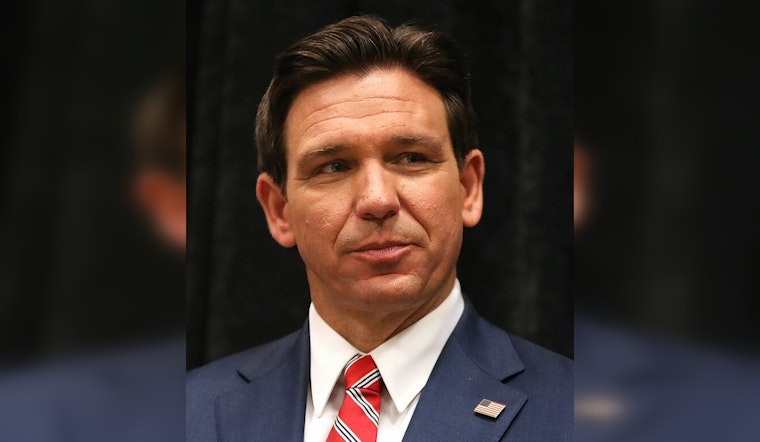
In a move met with both approval and concern, Florida Governor Ron DeSantis greenlit a bill yesterday that tweaks the working hour limits for 16- and 17-year-olds in the state. The bill known as HB 49, softens a stance from 1986 regulations meant to counter child labor violations, now permitting more work flexibility for teens, supporters argue the bill allows small businesses to fill employment gaps and gives parents control over their children's work schedules, as NBC Miami reported.
Bill Herrle, NFIB-Florida President, firmly highlighted the legislation's intention in a statement, "No one wants young people to work longer hours or work under unsafe conditions, House Bill 49 simply gives parents and guardians the right to decide what's right for their teens and helps Florida's small businesses find workers," as detailed by CBS News Miami. The bill, which will come into force on July 1, keeps a 30-hour weekly cap during school but allows exemptions by parents, guardians, or school superintendents, it also loosens Sunday and holiday work restrictions.
Despite the bill passing with substantial majorities in the House and Senate, critics raise concerns over the potential for it to clash with academic responsibilities and prey on teenagers to solve workforce shortages, according to NBC Miami. Among the doubters, Rep. Anna Eskamani, D-Orlando, chastised the contrasting legislative stance taken earlier the same day, which moved to prevent individuals under the age of 21 from working in adult entertainment to prevent human trafficking while leaving younger teens more exposed in the service sector.
"I really think that the most vulnerable age for trafficking actually is going to be less than 18, and unfortunately service jobs have very high rates of sexual harassment, And we’re not providing protection for young people," Eskamani told CBS News Miami earlier this month, vocalizing her disapproval. Other legal measures signed by DeSantis on the same day included mandates for inmate DNA collection and renewed restrictions on public-employee unions, with the former aimed at offenders who hadn't previously been required to submit such samples and the latter following up on a contentious 2023 law.




