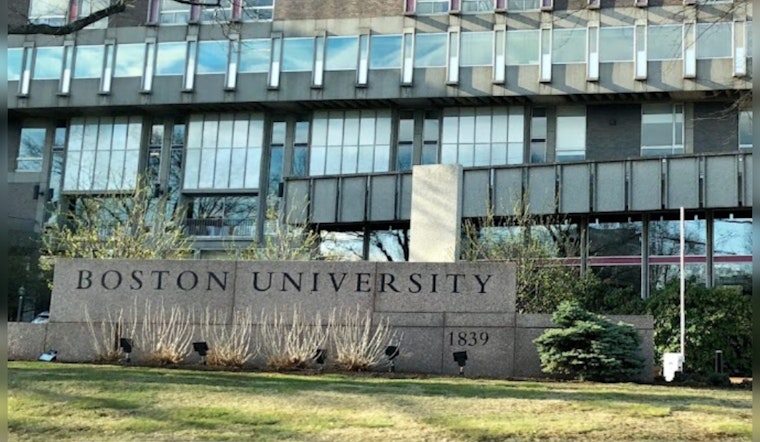
Robert Card, an Army reservist who unleashed Maine's deadliest mass shooting last year, is now confirmed to have suffered significant traumatic brain injuries. In an analysis released yesterday by Boston University researchers, evidence points to damage in the brain's nerve fibers, with inflammation and small blood vessel injury that could have impacted Card's behavior before the shooting spree, the Boston Herald reported.
Card, who previously worked as a hand grenade training instructor and might have been repeatedly exposed to low-level blasts, took the lives of 18 people in a devastating attack that spanned a bowling alley and a restaurant in Lewiston. The findings from the brain tissue analysis came to light just as Army officials are set to testify before a Maine commission investigating the tragedy. According to a report by CBS News, the commission is set to review the events leading up to the massacre, including police and Army's response to warning signs about Card's deteriorating mental health. The commission's chair, Daniel Wathen, emphasized at an earlier session that the hearings are key to understanding the case.
In a statement released by the family through the Concussion Legacy Foundation, Dr. Ann McKee, director of the BU CTE Center, articulated that while it's impossible to definitively link the brain injuries with Card's actions, the damage was likely a contributing factor. "Robert Card had evidence of traumatic brain injury," McKee stated, noting the degeneration and loss in white matter and other signs consistent with blast injuries, as revealed in the Boston Herald.
The fallout from the shooting has to reignite discussions about gun laws in Maine, with Democrats, including Governor Janet Mills, pushing for legislative changes that would allow law enforcement more leverage in removing firearms from individuals considered dangerous. This week, gun control advocates held a rally in Augusta to support safe gun practices, according to Nacole Palmer, executive director of the Maine Gun Safety Coalition, who underscored gun violence as a public health emergency and spoke with CBS News. The significance thrust upon the need for a strategic blend of gun safety laws and public health initiatives to protect communities.
An outpouring of apologies from Card's family accompanied the release of the analysis, as they expressed their sorrow and sympathy for the victims and loved ones affected by the shooting. "We are hurting for you and with you, and it is hard to put into words how badly we wish we could undo what happened," the family expressed in their statement. They are now advocating for more research and support for military service members grappling with traumatic brain injuries, determined to prevent another similar tragedy, as outlined in their message disclosed by the CBS News report.