

























































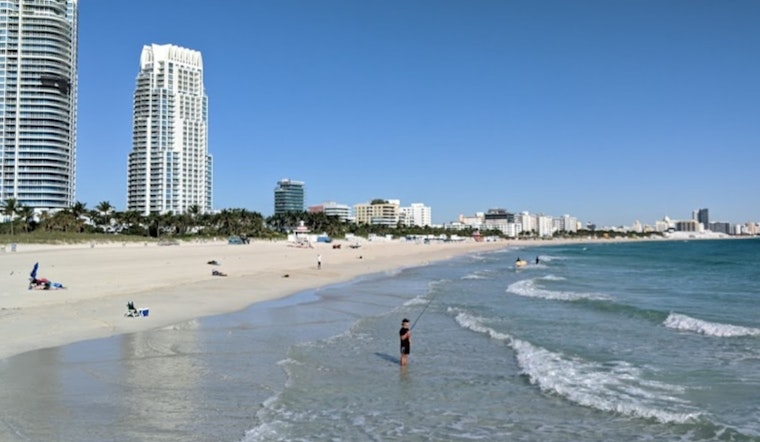
Miami Beach officials are clamping down on spring break festivities with a slew of security measures, and reactions are mixed. As WSVN reports, parking garage closures are just the tip of the iceberg, with the city also enacting sidewalk cafe shutdowns and increased patrols over the next two weeks.
One of the changes, which sparked responses from visitors, are the city's garages and surface lots being off-limits to non-residents from yesterday morning to Monday morning. This move has jet-setters like Raheem, a tourist from Toronto, taking notice of the heavy police presence, telling WSVN, "You can see them patrolling and all that."
The new reality of spring break in Miami Beach is shaped by stringent safety precautions, part of a concerted effort by the city to temper the rougher edges of the once raucous seasonal invasion dubbed "Spring Break Breakup." According to the Associated Press, another layer of oversight is added by 60 additional state troopers in South Florida, with 45 heading straight to South Beach. Governor Ron DeSantis emphasizes, "Florida is a very welcoming state... What we don’t welcome is criminal activity."
Despite the aim to mute the mayhem, business owners like David Wallack, the owner of Mango's Tropical Cafe, express concerns over lost revenue during a high traffic season. Wallack articulates the stakes clearly, "Miami Beach has always thrived on celebration," telling the Associated Press about the possibility of proposing a massive music festival to inject some controlled vitality into the Mardi Gras of breaks. Mayor Steven Meiner, conversely, reasons that the business damage incurred from violent mob-induced closures outpaces any benefits, pointing out that, "They’re not staying in the hotels, They’re not visiting our businesses."
Notably, civil rights advocates are giving voice to concerns about the potential racial motivations behind the crackdown, citing the surge in Black tourism to South Beach over the past 20 years. Stephen Hunter Johnson, a member of Miami-Dade’s Black Affairs Advisory Board, told AP, "But amazingly, if the government intrudes on Black people, everyone’s fine with it." Mayor Meiner stands firm against these accusations, insisting his primary concern is safety.
Amid these interventions, some visitors are finding solace. Natalie, a spring breaker interviewed by WSVN, appreciates the subdued atmosphere. "The rowdiness in the crowds has kind of died down, so we like it, being three girls traveling alone, we kind of feel like it’s kind of deterred some of the negativity away," she said.
As for travel logistics, Miami Beach city officials are warning drivers to brace for significant traffic delays and enhanced security measures like license plate readers and DUI checkpoints. And if motorists think towing is a nuisance, they might think again—rates for non-residents have jumped to a hefty $516.
All these precautions come in the wake of stark statistics from last year, with WSVN citing two fatalities and 573 arrests, a grim tally that the city is determined to avoid repeating. As spring break marches on, it seems Miami Beach is trying to reshape its image from party central to a more orderly, restrained version of its former self—at least for the notoriously wild spring break season.





