

























































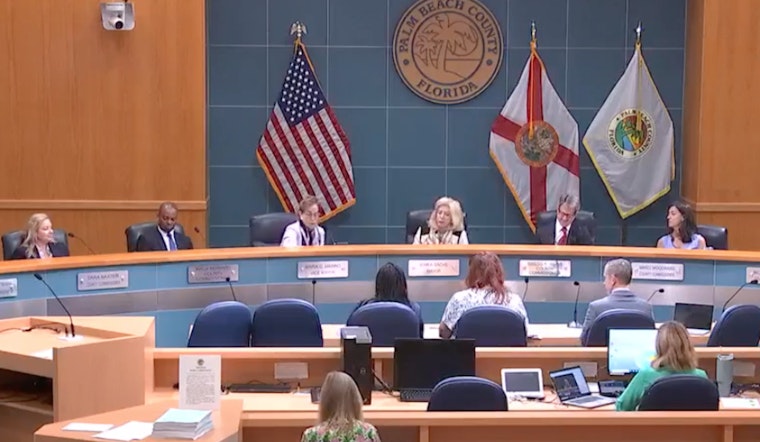
Palm Beach County is making strides in confronting the environmental challenges of our time, reaching a significant milestone in a Countywide Climate Risk Assessment. This deep dive into the county's vulnerabilities to climate change spans from the reality of extreme heatwaves to the threats of agricultural loss and the devastation of potential wildfires and floods. According to a recent report by the Palm Beach County, the study, spearheaded by consultants Tetra Tech, is not just an academic exercise but a path to make Palm Beach more competitive for critical infrastructure grants.
This environmental reconnaissance is laying a groundwork for Palm Beach County's Climate Change Risk Assessment and Resilience Action Plan – essentially a blueprint pointing towards infrastructure grants from deep-pocketed programs like Resilient Florida, which has funded projects to the tune of over $1.5 billion in three years. The agenda of these grants is clear – to foster infrastructures unyielding to the harsh whims of climate change.
The approach Palm Beach County has adopted is not secluded to the chambers of policy makers, rather, it's stretched out in public arenas for discourse. Town hall meetings and community participation have become a cornerstone for the assessment, with the next gathering slated for March 13, 2024, at Pahokee Marina Conference Room, as detailed in the announcement. Residents are encouraged to give their two cents, helping data collection efforts from flood mapping to policymaking.
Community feedback doesn't just fill an auditorium; it fills the sails of the county's initiative. Input from the people is sought to finalize the assessment and formulate the preliminary Climate Action Plan. Such feedback is foundational, as emphasized by Palm Beach County Chief Resilience Officer Megan Houston, "Residents’ perspectives are invaluable in shaping a resilient and sustainable future for our community." Invitations and survey links are passed around, literally and digitally, to ensure each voice can contribute to the county's course.
For those eager to weigh in, the county has dispensed a survey aiming to pinpoint public concern, particularly on the impact of flooding and climate change. The fruits of this labor will direct the county's hand in bolstering their infrastructure, shaping policies, and carving community programs to stand against nature’s unpredictable temperament. The convergence of expert analysis and civic engagement in Palm Beach County may just forge an archetype of resilience for others to emulate in the age of climate uncertainty.





