

























































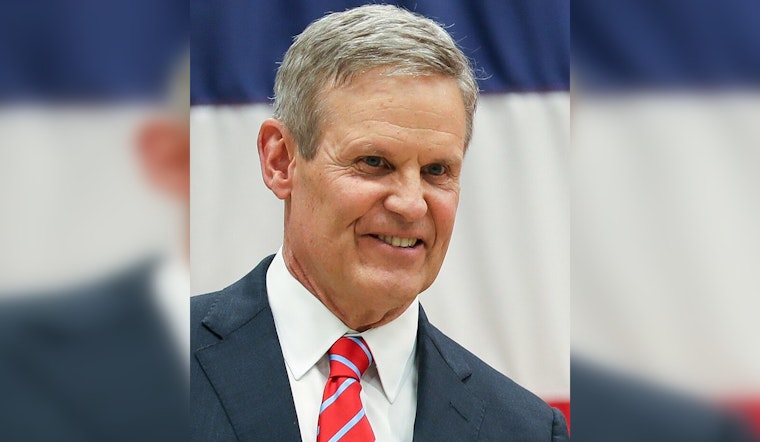
Tennessee Governor Bill Lee faced backlash after he signed into law a bill that rolled back Memphis' recent traffic stop reforms, which were originally enacted in the wake of Tyre Nichols' death in January 2023. Despite pleas from Nichols' family and local activists, Gov. Lee sided with his fellow Republicans to effectively repeal ordinances including the one prohibiting so-called pretextual traffic stops, as reported by WSMV.
The contentious decision prompts to take immediate effect, nullifying measures designed to stop minor infractions, such as a broken taillight, from turning into major confrontations. Critics have argued this could increase the chances of potentially deadly encounters. Governor Lee maintained that "we can give law enforcement tools, but we've got to hold law enforcement to a standard of using those tools appropriately," in a statement obtained by WSMV.
Lee, who has never vetoed a bill since he began his tenure nearly seven years ago, faced considerable pressure from the Republican party, which also impacted his efforts to pass other legislation such as a universal school voucher bill. His rare instances of letting bills become law without his signature have been interpreted as silent messages of disapproval, a dynamic noted by FOX13 Memphis.
Despite national outrage and local initiatives to honor Nichols through legislative change, Gov. Lee's enacting the bill was seen as a step backward in the fight against police brutality. Nichols, a 29-year-old Black man, died after an almost 3-minute onslaught by police officers not far from his home. His death was documented in disturbing video footage, as mentioned by Local Memphis. Nichols' parents, activists, and a portion of the Memphis community drew up support last year for city council to pass the ordinance changes that have now been upended.
The issue continues to divide Tennessee's communities and lawmakers, sparking debate over the balance between providing law enforcement with appropriate tools and ensuring the civil liberties of citizens are protected. Reflective of a nation still grappling with the pervasive issue of police reform, the situation in Tennessee represents another chapter in an ongoing and deeply complex narrative.




_(cropped).jpg)