

























































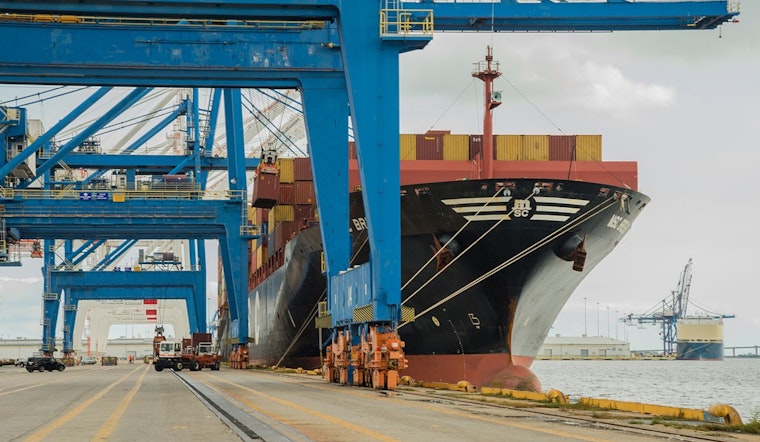
As reports flood in regarding the aftermath of the Francis Scott Key Bridge disaster, stakeholders within the auto, energy, chemical, and industrial sectors recently convened to address concerns and plot a path forward. Hosted by the National Economic Council (NEC), the gathering aimed to strategize solutions to supply chain disruptions caused by the partial closure of the Port of Baltimore. Participants included power players from the White House and several federal departments who are diligently working to get the crucial port back in business.
The talk of the town following the meeting was the concerted effort by the U.S. Army Corps of Engineers to chart a tentative timeline for clearing the wreckage and reopening the port. According to the White House's readout of the engagements, Federal representatives did not mince words about the government's commitment to right the ship following the infrastructure event. Several large automobile importers have signaled their willingness to reroute cargoes to the Port of Baltimore post-recovery.
Previous stakeholder listening sessions, steered by Secretary Buttigieg, delved into the nuances of shipping and transportation diversions due to the closure. Meanwhile, the Department of Agriculture probed into possible repercussions for the agriculture and food sectors. In the sessions, auto industry representatives described minimal disruptions, attributing this smooth sailing to the successful redirection of shipments to alternative harbors.
Representatives from the energy, chemical, and industrial sectors have similarly reported little in the way of major supply chain upsets at this juncture. Aluminum industry insiders, in particular, have highlighted their dependence on the Port of Baltimore and have asked for continued support from the administration amid these transitory trials. Stressing the port’s importance, they maintain a watchful eye on alternative East Coast ports' capacities and lobby for increased trucking capacity to keep their operations flowing freely.
Summarizing the collective sentiment, the NEC spoke with resolve, reaffirming the President's vow to "move heaven and earth" to get the port up and running as soon as humanly possible. If this commitment holds water, Baltimore can hope for a strong tide of federal support to buoy the community through economic turbulence. Stakeholder engagement processes are set to carry on over the weeks to come, forging links between the NEC and those with stakes in mitigating the supply chain impacts rippling from this unprecedented event.





.jpg)