

























































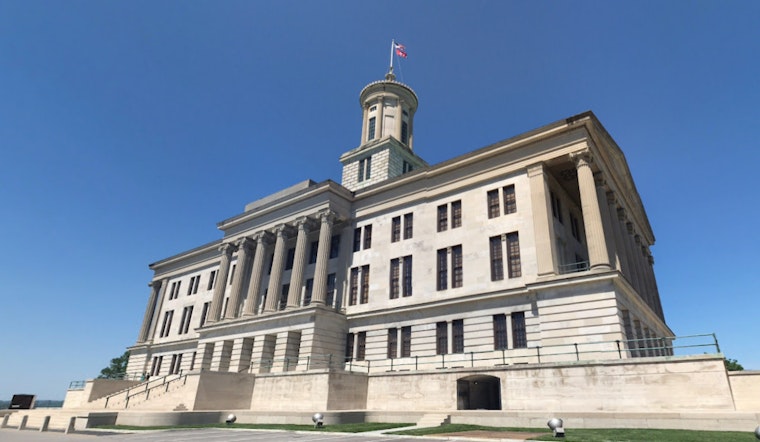
The tug-of-war between Tennessee lawmakers over the state's franchise tax cuts and refunds has intensified, with both the House and Senate having passed conflicting bills. According to The Tennessean, the House-approved version is a trimmed-down proposal that would provide a one-year franchise tax refund at a cost of around $800 million, a stark contrast to the Senate's $1.9 billion three-year lookback plan.
Notably, the House bill stipulates that businesses taking the refund must waive their right to future lawsuits over the tax and be listed publicly—a transparency measure Senate Republicans have blocked previously as reported by WKRN. Critics have voiced opposition, including Democratic Caucus Chair John Ray Clemmons who condemned the refund as "a voluntary codification of a corporate handout," arguing that these corporations have already benefited from the state's laws and do not warrant a $700 million payout, House Majority Leader William Lamberth of the Republican Party defended the policy as right, claiming it would maintain competitive business recruitment—asserting that it was "good policy."
Amidst partisan divide, The Center Square stated that the decision to refund $713.6 million is a major element of the House's tax repeal strategy; this stands in stark contrast to the Senate's version, which would refund an estimated $1.6 billion over three years. The House bill's requirement for the public listing of the refund recipients could bring a new level of transparency to the process.
Arguments against the bill emphasized the prioritization of corporate benefits over the needs of Tennesseans, as Rep. Justin Pearson shunned the legislation as irresponsible in light of necessities such as meals at schools and healthcare access, however, supporters such as Lamberth have insisted that the refund represents merely a return of what businesses rightfully earned others echo his sentiments, stating that it is fiscally appropriate to return money to the hardworking business owners, as per their argument. The bill now faces the prospect of a conference committee to reconcile the differences, unless the Senate acquiesces to the House amendments, with the final decision resting on how lawmakers prioritize fiscal conservatism against business incentives.





