

























































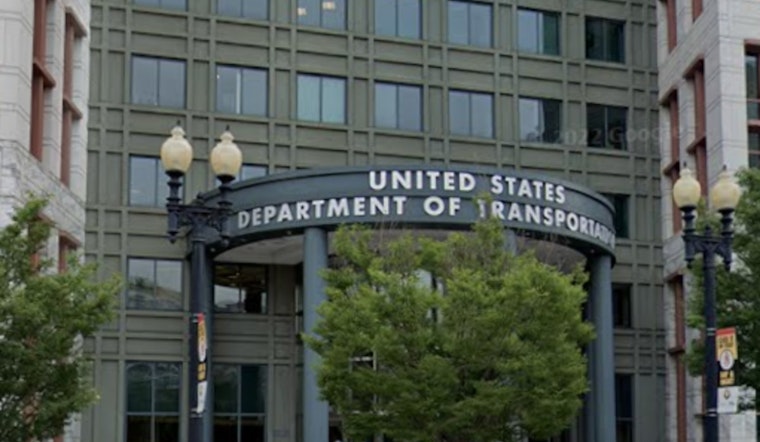
The U.S. Department of Transportation is plowing ahead with an initiative designed to bridge the gaps in American communities created by yesteryear's infrastructural decisions, earmarking up to $27 million for the establishment of the Reconnecting Communities Institute (RCI). Cadmus Group, Inc. won the hefty contract to lead the charge on this project which will provide expert guidance and resources to communities seeking to mend the divides caused by transportation networks that have, over time, isolated some neighborhoods, leaving them without straightforward access to essential services and opportunities, according to U.S. Department of Transportation.
"The Biden-Harris administration is making unprecedented investments to help reconnect communities that were divided by past transportation decisions, with $3.3 billion awarded across the country just a few weeks ago," U.S. Transportation Secretary Pete Buttigieg said. The DOT says that the RCI will focus on training and providing technical assistance for communities, particularly underprivileged ones, to hook them onto the opportunities dangled by the Bipartisan Infrastructure Law through the Reconnecting Communities and Neighborhoods (RCN) Program.
Cadmus Group is said to be pooling resources from a diverse cadre including urban planners, environmental justice advocates, and engineers to cater to the vast needs of these communities with seven disadvantaged business enterprises accounting for over 20 percent of the project's budget, as per the U.S. Department of Transportation. On the job are groups representing minority-owned, woman-owned, and small businesses ready to nurture and navigate these neighborhoods toward newfound connectivity. The Federal Highway Administration along with the Build America Bureau will oversee the management of this contract while maintaining their expectations of instigating high-quality transportation infrastructure that aims to sew communities back into the fabric of accessible American life.
"With historic funding provided under the President's Bipartisan Infrastructure Law, we have an opportunity to help communities invest in high-quality transportation infrastructure that will improve quality of life and better connect residents for years to come," Federal Highway Administrator Shailen Bhatt told the DOT, painting a picture of repaired divides, a narrative in which walkways and roadways no longer act as barriers, but as welcoming avenues to schools, hospitals, and the heart of the city commerce.





