

























































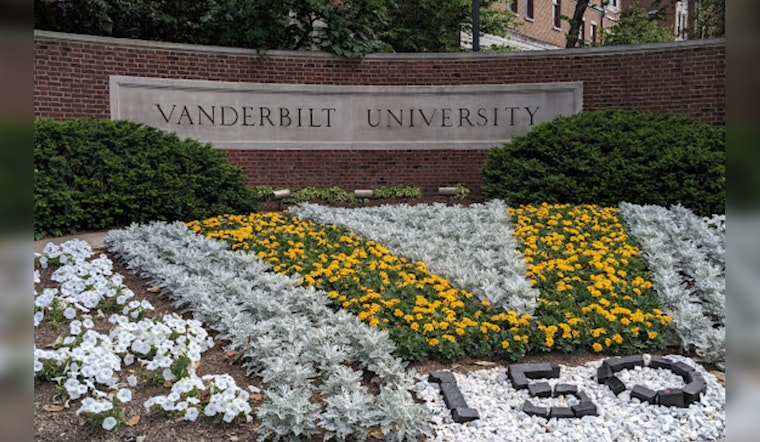
Vanderbilt University grabbed the tech spotlight by hosting the national Smart and Connected Communities (SCC) PI meeting, moving the annual event from its traditional Washington, D.C. venue to Nashville, Tennessee. The gathering, which took place February 27-29, brought together Principal Investigators (PIs) to discuss the integration of smart technology into community infrastructures. According to reports by the City of Nashville's official website, the event highlighted collaboration with local agencies and academia to enhance city life through advanced AI.
Nashville Mayor Freddie O’Connell addressed the 250 attending PIs, emphasizing the significance of partnerships between academic institutions and local communities. "Our vision for the future is a smarter, and more connected Nashville, a more livable city for our residents," O'Connell said in his speech. He praised the potential for technology to improve urban living when aligned with the goals of community partners.
At the forefront of this technological frontier is Vanderbilt, partnering with the likes of Metro Nashville and the Chattanooga Area Regional Transportation Agency. Co-organizer Associate Professor Abhishek Dubey noted Vanderbilt's role in the Smart and Connected Communities Virtual Organization and the impact their work has on the community. "The event showcased the special partnership between Vanderbilt University and its dedication to working with our community partners, ensuring that we use advances in AI and engineering for the benefit of our community," Dubey told attendees.
The university's myriad contributions to smart technology in Nashville are diverse, ranging from a decision-support tool for public transit created in collaboration with WeGo Public Transit, to an AI-powered system for the Department of Emergency Communications to aid in routing non-emergency calls. Recently, researchers have been focused on deploying advanced lidar motion sensors to make streets safer for pedestrians and bikers,, and have developed a driving simulator to assist autistic individuals, courtesy of nearly $1 million in funding from NSF and the National Institutes of Health.
Professors Jonathan Sprinkle and Dan Work, who have played pivotal roles in Vanderbilt's smart tech initiatives, stood as the lead researchers for the smart highway project utilizing the I-24 MOTION testbed. This unique real-world testing environment is decked with digital sensors monitoring vehicle traffic. "Vanderbilt being center stage at the SCC PI meeting is another example of the radical collaboration taking place at the university internally and externally," stated Sprinkle, as he encouraged future ventures that innovatively cater to community needs.




