

























































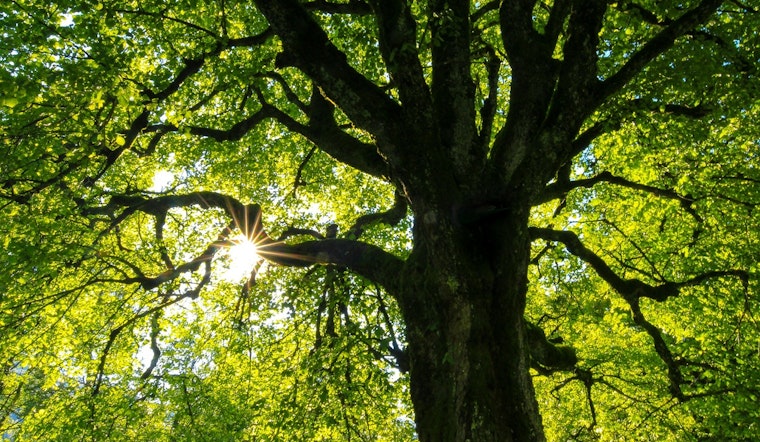
In a city often chastised for its aging infrastructure, a surprising boon for nature has been discovered right on The University of Texas at Austin's campus. A study highlighted by UT News reports that trees lining Waller Creek are flourishing, even in drought conditions, thanks to leaky city pipes.
These unintentional acts of hydration provide anywhere from 25% to 50% of the creek's flow. According to Jay Banner, a professor at the Jackson School of Geosciences and director of the Environmental Science Institute, acquainted with the silver lining of faulty pipes, said in the UT News report, “One has to weigh the unintended positive consequences with the expected and long-shown negative consequences.”
Intriguingly, bald cypress trees along Waller Creek revealed through tree-ring analysis that they have enjoyed a stable water supply over the years. This study, published in the Nature Partner Journal Urban Sustainability, contrasted the growth of Waller Creek trees with those around Onion Creek, proving the resilience of the former amidst drought thanks to the unintended urban lifeline.
During the course of conducting core analyses—rods of wood extracted from the trunks for examination—the research team, led by Professor Bryan Black at The University of Arizona, evinced despite the state’s worst drought on record spanning from 1950-1957, the Waller Creek trees showed only a minimal decline in growth. Banner remarked that this is indicative of the urban environment's unexpected benefits and quirks.
Ongoing investigations aim to pinpoint the intricate chemical signatures within the tree rings, delineating the specific source and timing of municipal water contributions. With cities worldwide grappling with similar issues with aging infrastructure, this research enlightens policymakers about urbanization's multifaceted impact, both deleterious and beneficial. Funded by the likes of the National Science Foundation and the UT Planet Texas 2050 initiative, this study showcases the resilience of nature intertwining with metropolitan flaws.





