

























































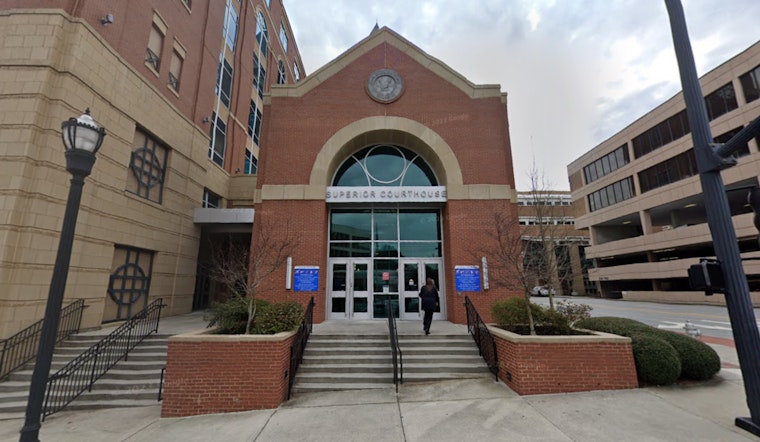
In the heart of Cobb County, justice and mental health treatment have converged to offer a new lease on life for those battling mental illness within the criminal justice system. The Cobb Superior Court celebrated the success of its Mental Health Court (MHC) program on Tuesday, as three individuals marked their graduation under the watchful eye of Judge Ann B. Harris. These former defendants have emerged victorious after an intensive 18 to 24 months of supervision, treatment, and the rigors of accountability that the program demands.
The ceremony, attended by proud family members, community officials, and supporting legal teams, fostered an atmosphere charged with hope and anticipation for a future unfettered by the chains of past transgressions. Success stories like these highlight the essential work of the Cobb MHC, which offers participants a chance to dodge the revolving doors of incarceration and hospitalization, instead leading them towards self-sufficiency and stability. Recognized as a Model Court in Georgia, the Cobb MHC, in partnership with Highland Rivers Behavioral Health, provides comprehensive mental health services, aiming to reduce repeat offenses and encourage positive social engagement.
As the community applauded the graduates, the sentiment shared by attendees was clear: these programs are more than just alternatives to jail time; they are life rafts for those drowning in the rough seas of our legal and healthcare systems. "The overriding theme was a sense of accomplishment, hope, and excitement for the next chapter of their lives," reported Cobb County's official press release. This testimonial not only sheds light on personal victories but also casts the wider net of mental health court benefits.
The praise for the program is well-earned, as Cobb MHC’s efforts in becoming a mentoring beacon for other similar programs state-wide demonstrates. Their dedication to marrying the goals of criminal justice and mental health support is a testament to the community's progressiveness. The court, presided over by participants who have navigated complex judicial and psychological landscapes, continues to pave the way for treatment-based, compassionate jurisprudence that recognizes mental health diagnoses as significant factors in legal proceedings.
Those seeking more information on the Mental Health Court or its recent graduation can reach out to Coordinator Melanie Valentine at 770-528-8106 or via email at [email protected]. The success of these graduates and the ongoing work of the MHC both serve as potent reminders that with the proper support, individuals entangled within the criminal justice system due to mental health issues can indeed rewrite their stories.


